
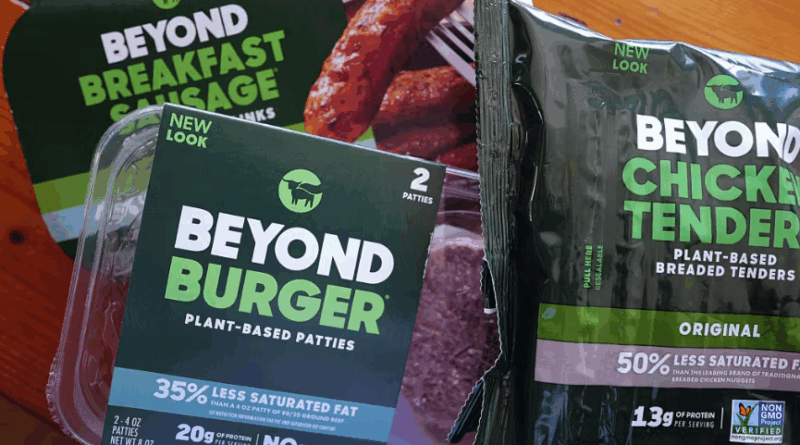
Beyond Meat Stock Crashes to $1 After Debt Deal Dilutes Shareholders
Beyond Meat’s stock price collapsed to near $1 per share this week, marking a staggering downfall for the once high-flying plant-based meat company. The drop follows a debt exchange agreement that drastically diluted the value of existing shares and sent investors fleeing.
On Monday, shares plummeted nearly 50%, closing at $1.10. By Tuesday, they hovered around $1.03 — a far cry from the company’s 2019 peak of $240. Beyond Meat has now lost over 99% of its value from its highs, falling more than 76% in 2025 alone and officially entering penny stock territory.
At the heart of the collapse is a sweeping debt swap deal that will allow creditors to convert $208.7 million in new 7% notes due in 2030 into up to 316 million shares. This replaces earlier 0% notes due in 2027. Before the deal, Beyond Meat had just 76.6 million shares outstanding, meaning current shareholders face more than 300% dilution.
If all noteholders convert their debt into equity, they would control about 88% of the company.
The company said 97% of bondholders agreed to the exchange, surpassing the minimum 85% participation rate. The deal is set to settle by October 15 and is aimed at extending the company’s ability to manage over $1.3 billion in debt obligations. However, the market saw the dilution as a death knell for retail investors.
The restructuring will reduce over $800 million in debt, but Wall Street analysts question whether Beyond Meat can survive the storm. TD Cowen slashed its price target to just 80 cents on Tuesday and maintained a “Sell” rating, reflecting widespread pessimism among analysts.
Beyond Meat’s financials paint a grim picture. The company’s market cap has shrunk to under $80 million — down from $14 billion in 2019. Revenue dropped 20% last quarter to $75 million, and total revenue is projected to fall 14% this year, according to LSEG.
Sales have cratered as U.S. consumers increasingly turn away from expensive, heavily processed meat substitutes. Major food service deals — including those with McDonald’s, Dunkin’, and KFC — have either fizzled or failed to generate sustained momentum.
Beyond Meat also withdrew its annual guidance earlier this year after consistently missing earnings estimates. The company has faced repeated challenges, from high manufacturing costs to declining demand and shrinking liquidity.
Short sellers are circling. Nearly 64% of Beyond Meat’s float is now sold short, one of the highest levels for any U.S. stock, according to Ortex.
The stock’s fall marks a dramatic reversal of fortune for a brand that once symbolized the future of food. After launching its IPO at $25 in 2019 and skyrocketing to $239 that summer, Beyond Meat became a symbol of innovation and investor enthusiasm.
But with consumer interest cooling, competitors folding or downsizing, and mounting operational struggles, the company now finds itself in a desperate fight for survival — with little left for the investors who once bet big on plant-based hype.