
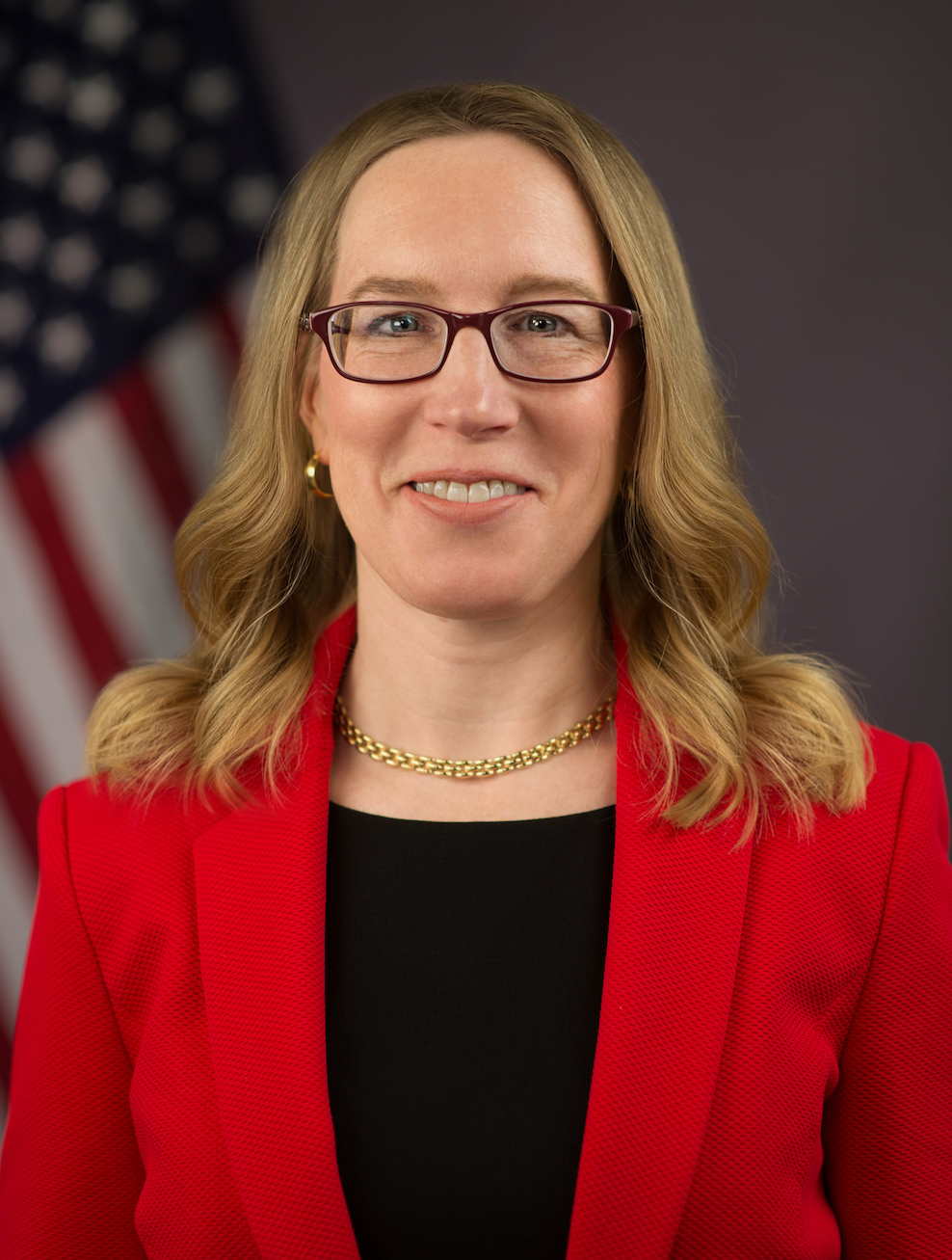
Tokenization Doesn’t Bypass Securities Laws: SEC’s Hester Peirce
Hester M. Peirce, an integral member of the Securities and Exchange Commission (SEC), made it clear in a recent communication that the digitization of securities, typically termed ‘tokenization’, doesn’t invalidate the application of federal securities laws. She emphasized that transforming traditional securities into tokenized forms doesn’t change their original legal status. Therefore, these digitized securities continue to abide by the prevailing securities laws.
Peirce, who notably holds a significant position within the SEC, communicated this perspective on Wednesday. This viewpoint signifies a clear steer to the prevalent endeavors to digitize or ‘tokenize’ stocks, and other similar securities do not sidestep existing federally recognized securities laws. Her reassurance underscores the belief that the morphology of a security doesn’t negate the laws that govern it.
The comment made by Pearce was indeed straightforward: ‘Tokenized securities are still securities.’ This assertion implies that every individual or entity engaging in transactions with these tokenized instruments must strictly consider and follow the federal securities laws. Flouting these rules could potentially lead to severe legal ramifications.
The stance taken by Peirce should not be mistaken for an official SEC policy stance. However, given her history as a seasoned commissioner and spearheader of the crypto task force within the SEC, her views and statements hold substantial influence. Her comments are bound to impact the regulatory body’s approach to crypto and digital asset regulation.
Delving into the technological part of it, a tokenized stock can be described as a digitally transformed version of an ordinary security. Unlike traditional securities, tokenized stocks aren’t strictly tied to a specific stock exchange. Instead, they benefit from the flexibility of trading across blockchain networks, hence, providing greater accessibility and convenience.
An essential element in the backdrop of these digital securities is Blockchain, an innovatively devised digital ledger. Blockchain technology intends to record all transactions regarding cryptocurrencies or other such digital assets. Moreover, it operates over a network of computers maintaining its integrity and reliability.
Peirce, who has been a steadfast supporter of cryptocurrencies for an extended period, made this statement amidst growing interest within the cryptocurrency industry. There’s an increasing drive from industry proponents to facilitate investors with the opportunity to trade tokenized versions of stocks and other assets on their platforms in the United States and Europe.
However, the idea of tokenizing assets, particularly shares of private entities, has faced some criticism and concerns. A section of critics and skeptics express apprehension that the transformation of conventional assets into digitally tradable forms on the blockchain could potentially create a loophole in the federal securities laws. They fear that these newly minted digital assets might escape the purview of regulations affecting their sovereignty.
Peirce, whose influential commission held a hearing on the intriguing topic of tokenization, has a history of advocating for technology openness. She consistently champions the importance of maintaining a tech-forward regulatory approach that can adapt to novel technological advancements as they emerge.
However, in her recent statement, she cautioned crypto-based companies to not let their enthusiasm for innovation eclipse their responsibility to legal obligations. While championing the case for digital assets and blockchain technology, she kept an equal emphasis on the unwavering respect for federal securities laws.
Therefore, Peirce’s statement delivers the right balance of encouraging innovation while putting necessary regulation at the forefront. In the midst of evolving technological landscape, she emphasizes that innovation should not outpace regulation. After all, the laws exist not to hinder progress but to ensure the fair and safe conduct of the market.
To recap, Hester Peirce’s announcement unequivocally underscores the importance of applying federal securities laws to digital versions of stocks, aka ‘tokenized securities’. It reinstates the importance of adherence to these laws regardless of the form of these securities, traditional, or digitized – thus fostering fairness, transparency, and stability in the ever-evolving financial landscape.
In the grand scheme, this statement is not only an assertion but a reminder to the crypto industry. It serves to remind the pioneers, stakeholders, and participants of the digital assets realm that while the face of securities might change with ongoing digitization, the laws governing them still stand firm.
Finally, while her statements hold significant influence due to her noteworthy contributions in the crypto task force and her position in the SEC, crypto companies must bear in mind that these views don’t represent the official policy of the SEC. However, they clearly indicate a direction forward and a perspective that could shape the orientation of future regulatory practices in the crypto world.