
Candidate Hoylman-Sigal Endorses Controversial Policing Bill
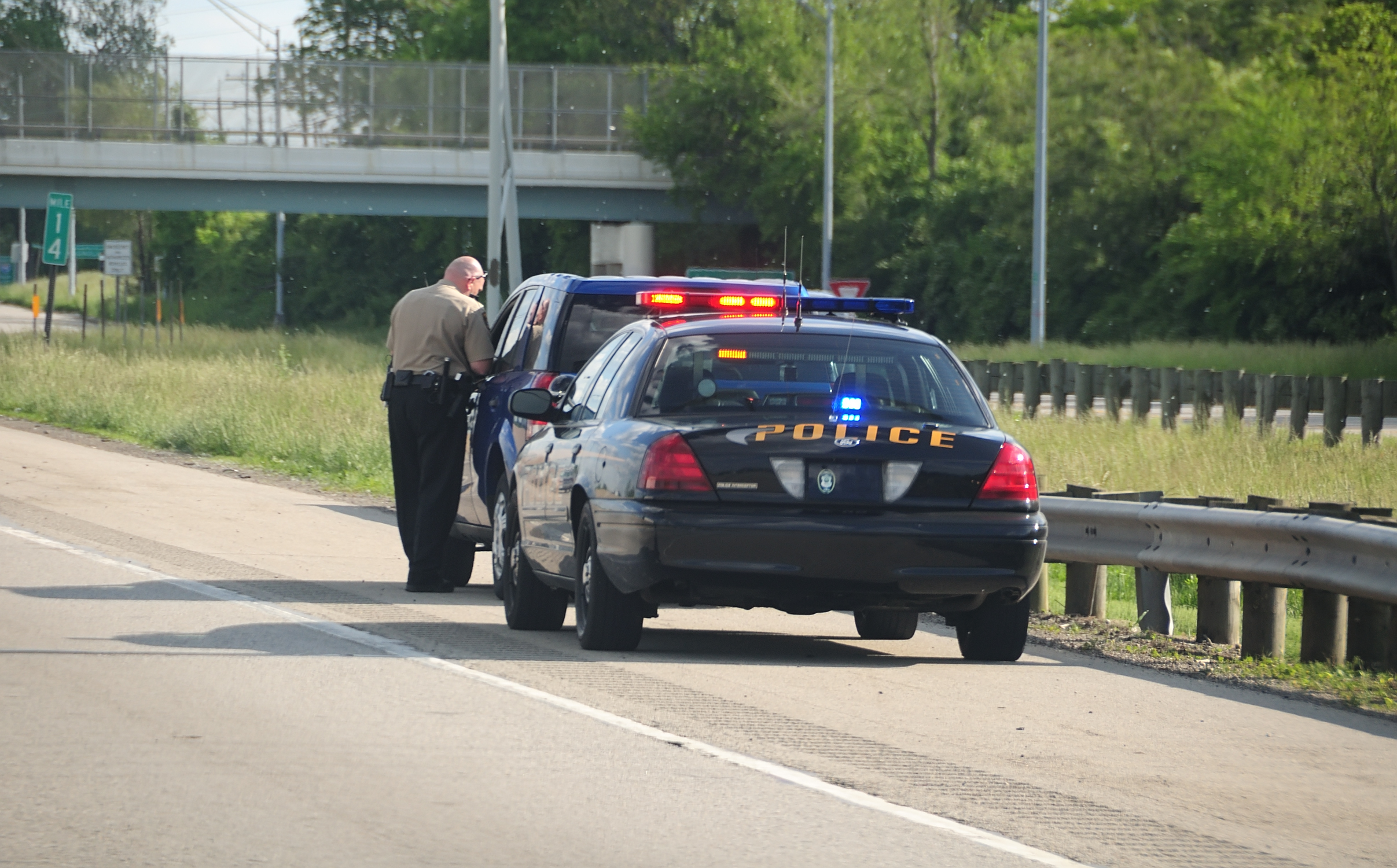
State legislator Brad Hoylman-Sigal, currently campaigning for the office of Manhattan borough president, is expressing his backing for a new piece of legislation in New York that would disallow law enforcement officers from conducting commonplace traffic stops. It seems that those who call for advanced liberal reforms in Albany are continuously striving to introduce ideas that could potentially decrease our public security. The latest concept put forth under this notion involves prohibiting police officers from stopping and questioning drivers due to basic issues such as dysfunctional tail lights or outdated license tags, all under the banner of promoting social equality.
This legislation gains significance when recalling that many criminal individuals have been apprehended as a result of such minor infractions. Take, for instance, the well-known case of Joel Rifkin, a serial killer who was initially pulled over owing to a missing license plate while relocating a corpse for disposal. It’s important to note that driving a vehicle with missing plates or malfunctioning lights doesn’t constitute a grave criminal offense in itself.
However, the enforcement of such minuscule transgressions frequently serves as a deterrent to numerous larger crimes. If we choose to overlook these lesser issues, it could potentially lead to an upsurge in graver ones – increased instances of speeding, an uptick in drunk driving, and a higher frequency of reckless behavior of every sort.
Impeding law enforcement officers from addressing such minor infringements will lead to a normalization of minor offenses like casually tossing trash out of our vehicles onto the roadways – a habit that in itself erodes public safety. It does so by undermining the trust of citizens who abide by the law, making them question the wisdom of complying with seemingly minuscule legalities.
In spite of these potential implications, State Sen. Brad Hoylman-Sigal, who is vying for the position of Manhattan borough president, appears indifferent to these realities. His drive to push this bill forward allows him to position himself as an advocate for the rights and interests of the black and Latino minority groups.
There’s an argument made by some that minority drivers disproportionately face police stops for minor infractions more than their white counterparts, and this is viewed by them as an indication of systemic racism. This controversial bill doesn’t completely forbid officers from enforcing minor traffic laws, but it aims to decrease such interference through imposing a considerable amount of paperwork on them.
Whether one views Hoylman’s motivations to back this bill as the machinations of a shrewd opportunist or the misguided actions of an imprudent idealist, there’s no assurance that the lawmakers of Albany won’t embrace this initiative. In fact, it seems quite compatible with the style of several reforms that have been instituted over the recent past years.
In the absence of substantial public opposition or reaction, it might not occur to lawmakers that a significant number of citizens prefer not to reside in a state or city that introduces laxity in the enforcement of road regulations.