
He Shared A Link On X. Now He’s In An Australian Court.
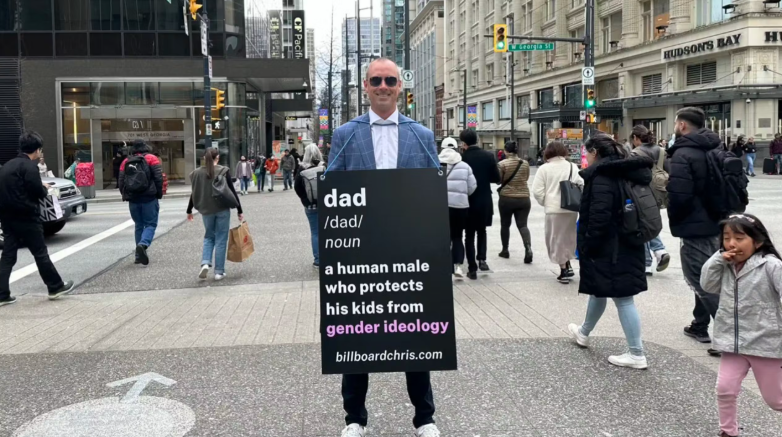
Chris Elston, a Canadian father and activist known widely as “Billboard Chris,” is facing legal action in Australia simply for sharing a link to a news article on X (formerly Twitter)—raising serious questions about international censorship and the reach of foreign governments over free speech online.
Elston, a vocal advocate for protecting children from radical gender ideology, found himself in front of Australia’s Melbourne Administrative Review Tribunal after reposting a Daily Mail article titled, “Kinky secrets of UN trans expert REVEALED.” The piece focused on a controversial transgender activist appointed to a World Health Organization panel.
That simple repost led Australia’s eSafety Commissioner to issue a formal takedown notice, claiming Elston’s post constituted “cyber-abuse material targeted at an Australian adult.” The post was geo-blocked in Australia, and Elston is now challenging the order with the help of ADF International, a legal organization that defends free speech and religious liberty.
The case, which spanned five days of hearings and over 2,000 pages of filings, is drawing global attention for its unprecedented implications. Elston, who never set foot in Australia and merely shared a link to a publicly available article, is now being dragged into an Australian legal proceeding for expressing his opinion from Canada.
Notably, the complainant—Teddy Cook, the individual named in the article—did not even appear at the hearing. Elston’s legal team argued that everything in the post, including Cook’s workplace and social media images, was already part of the public domain, sourced directly from the article itself.
“I shared the piece to spark discussion,” Elston said. “I didn’t write the article, I didn’t attack anyone—I just shared a link. If that’s a crime now, we’re in serious trouble.”
Elston emphasized that his activism is about protecting children from being exposed to confusing and often harmful gender ideology pushed by unelected global institutions. He also stressed that punishing someone for sharing a mainstream media article sets a dangerous precedent for silencing debate on controversial public issues.
The case highlights a growing trend of international overreach by regulatory bodies trying to impose censorship across borders. It raises serious concerns about whether individuals in free societies can continue to speak truthfully and share information without fear of legal retaliation from foreign governments.
As Elston’s legal challenge unfolds, supporters say this is about more than one activist—it’s about drawing a line in the sand against global censorship and defending the right to speak freely, regardless of geography.
For many, the question is simple: if a Canadian can be hauled into court in Australia for sharing a news story, who’s safe?