
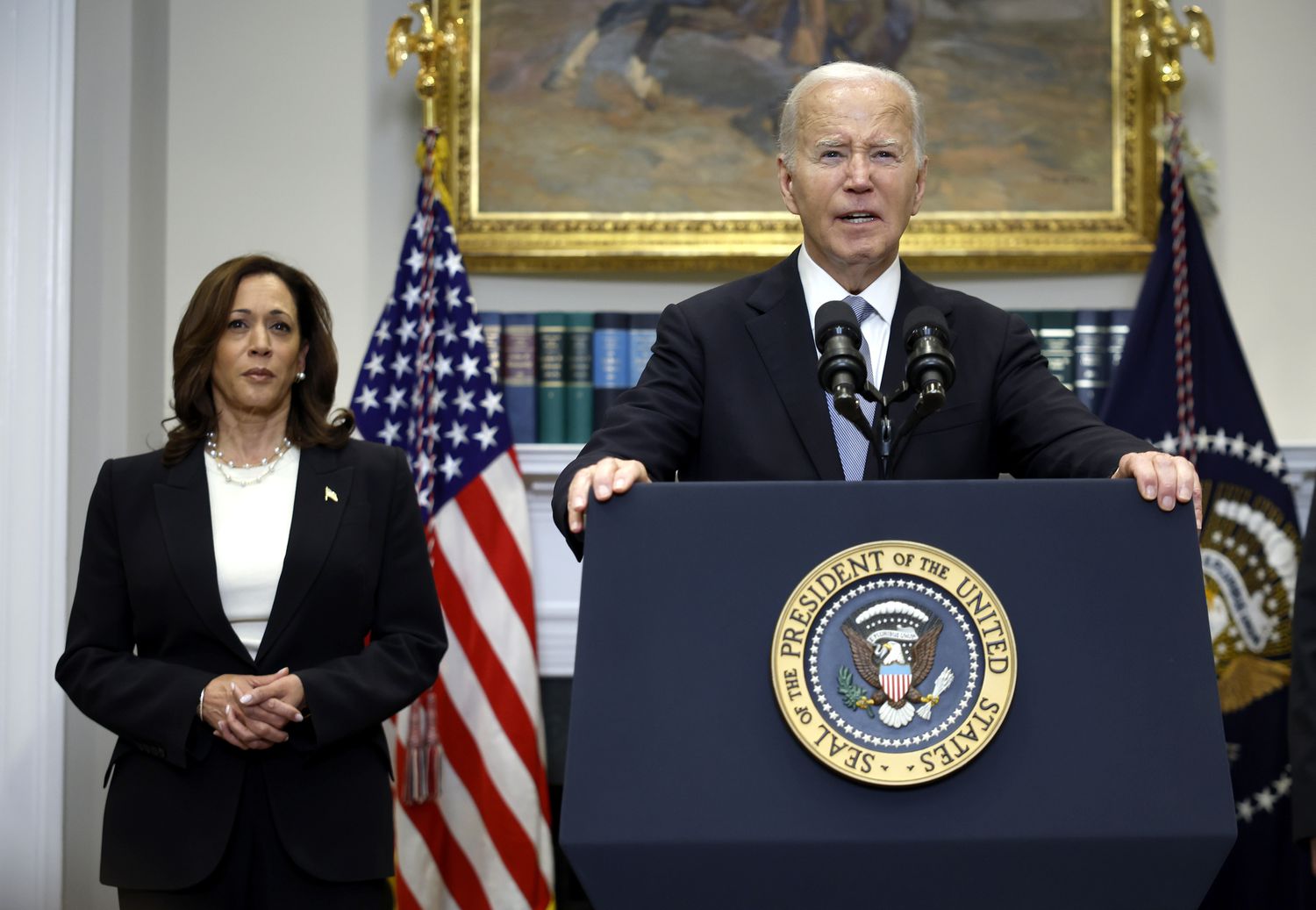
Biden Reveals Disregard for History with Misuse of ‘Appeasement’
In a radio interview following his premature exit from the presidential race, Joe Biden made some eyebrow-raising comments. He accused former President Donald Trump of ‘modern-day appeasement’ over his policy on Ukraine, misusing a term that historically referred to the ill-fated efforts of preventing Nazi annexation of land in Europe during the 1930s.
Biden perhaps forgets the shade of doubt cast over American standpoints following statements he referred to, where Trump supposedly eyed territories such as Panama, Greenland, and Canada. One wonders if Biden struggles to separate jovial commentary from serious discussion. ‘What president ever talks like that?’ he questioned, conveniently ignoring context.
Biden insisted the liberal values America embodies are those of freedom, democracy, opportunity, and not confiscation. Oddly enough, he did not articulate how his administration planned on diffusing tensions, if not through savvy negotiations or talking terms. Instead, his vague indictment of former President Trump seems more theatrical than practical.
An interesting thread in Biden’s commentary was his surprisingly early withdrawal from the presidential race, clearing the floor for Kamala Harris to oppose Trump. According to Biden, timing had no role to play in this move, suggesting a lack of understanding of strategic elements in elections.
The term appeasement, to provide some necessary context, trickled into global discourse after the British Prime Minister Neville Chamberlain’s failed attempt to pacify Adolf Hitler by allowing him to aggressively annex European lands. This ultimately did little to avert WWII. Biden’s cavalier use of the term showed a disregard for historical accuracy.
Former President Trump has been realistic about the Ukrainian conflict, highlighting the tragic loss of life and capital. This portrayal diverges from the mainstream media’s fairytale spin on global issues. He temporarily suspended aid to Ukraine, a move he later overturned, fitting the pattern of his unconventional methods inciting positive progression.
Trump’s policy delivered a significant result recently, with the signing of an agreement granting the U.S. access to Ukraine’s extensive mineral wealth. While Biden might see this as vehicle for distrust, others could view it as assertive diplomacy. The agreement also marked a potential future increase in assistance to Ukraine, a point Biden seemingly overlooked.
Yet, Biden ominously viewed Trump’s affirmation of Crimea’s status, an area Russia unlawfully took over in 2014, as a harbinger of damaged relations with Europe. He failed to mention the broader geopolitical considerations that may warrant this recognition or that sanctions against Russia remained intact under Trump.
Biden suggested that NATO members were reassessing their trust in the U.S, citing potential declines in America’s leadership and reliability. However, his subjective observation seemed more rooted in conjecture than concrete evidence. Reiterating hypothetical questions European leaders supposedly ask: ‘Can I rely on the U.S.? Will it be there for us?’ served no pragmatic purpose.
The former vice president also projected his assumptions about a supposed plan within the Trump administration to facilitate Russia retaining portions of Ukrainian territory to reach a peace settlement. Neglecting to discuss the merits of such a plan, Biden labeled it ‘modern-day appeasement’ in a glaring misconception of the term’s historical context.
Biden could not withhold his dismay while speaking of Trump’s meeting with Ukrainian President Volodymyr Zelenskyy in the Oval Office. He found the treatment ‘beneath the country’s dignity’, irregularly qualifying his subjective judgement in an unstatesman-like, populist appeal.
He went on to express his bewilderment at the Trump administration, saying ‘I don’t understand how they fail to comprehend the strength in alliances.’ However, his assumption that stern negotiation equates to failing alliances displayed a lack of understanding about versatile and dynamic diplomacy.
Commenting on Trump’s celebration of his first 100 days in office, Biden displayed his penchant for quiet underestimation. Instead of discussing policy or impact, he referred to judgement being left to history, seemingly discounting the importance of effective short-term governance.
Biden was widely critical, professing, ‘I see nothing triumphant.’ He did little to dispel the idea that his focus continues to be negative, failing to acknowledge or discuss any potential merits in Trump’s presidency. Instead, his remarks seemed more geared towards reiterating propagated negative impressions.
In essence, Biden expressed his views in the wake of his withdrawal from the presidential race, echoing prevalent liberal narrative characterizing reality through a subjective lens. His comments illustrate a favored manner of debate – disapproval and scorn – instead of constructive critique and meaningful dialogue.