
Biden, Harris Fail to Address Violence from the Radical Left Following Charlie Kirk’s Demise
The deplorable demise of Charlie Kirk, the young vanguard of Turning Point USA, while delivering his thoughts during ‘The American Comeback Tour’ on a Utah college campus, has ignited raging political talks and disputes. Donald Trump, the former president who was politically aligned with Kirk on several initiatives, addressed the country from the Oval Office. With a mix of fury and sorrow, he promised to pursue not only the culprit but also those he alleges were the financial and ideological backers of violent acts emanating from the ‘radical left.’ Trump held Kirk up as a ‘martyr for truth and freedom,’ and pointed a finger of blame squarely at the ‘radical left’ for Kirk’s untimely end.
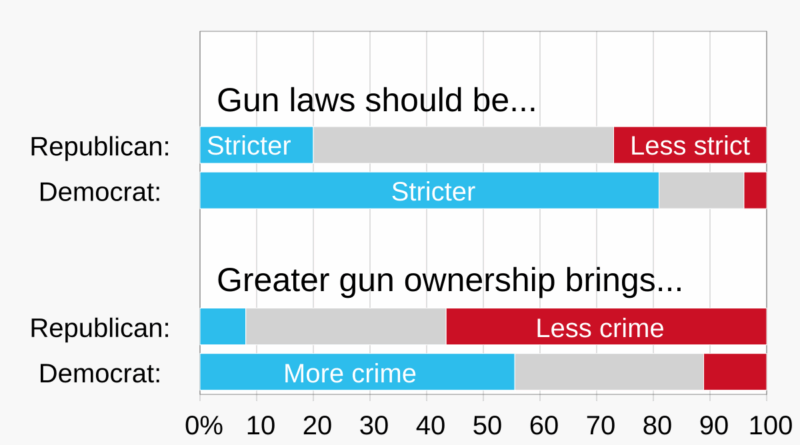
The audacious murder of Kirk sparked a cacophony of political rebuttals. Certain right-wing members like Rep. Anna Paulina Luna pointed fingers towards progressives and media representatives, accusing them for this tragedy. In a curious twist of selective focus, Democratic politicians like Rep. Jamie Raskin and ex-Rep. Gabby Giffords, instead directed the conversation towards gun control and echoed calls for tighter regulations. Amidst this, Utah Governor Spencer Cox solemnly pledged collaboration with the FBI and local law enforcement to ensure justice is served.
While Trump underscored the importance of rallying around ‘American values,’ his messaging appeared more divisive than unifying. An example of this polarization was JD Vance, then Vice President, applauding Kirk’s efforts in facilitating discussions between polar ends of the political spectrum. Interestingly, ex-Vice President Kamala Harris, who has frequently been on the opposing side of many conservative views, expressed condemnation of the shooting, calling for a united front to hinder any further acts of violence.
Another notable response came from Donald Trump Jr., who took a different, more emotional approach. Rather than focusing on the politics, he alluded to a more human element, insisting people should express their fondness and respect for each other before it’s too late. It seems politicians, irrespective of their partisan lines, find it challenging to align their messages and actions when tragedy strikes.
This abhorrent event has reignited the ongoing struggles around political violence, gun control, and the impact of fiery rhetoric permeating American politics. It showcases a deep chasm dividing the nation and underscores the pressing necessity for appreciative inquiry and empathy in these turbulent times.
In his address, Trump left no stone unturned to hold the ‘radical left’ answerable for Kirk’s demise. He condemned years of heated rhetoric, stating it has fanned the flames of political violence with dire consequences. ‘Charlie represented the finest of America, and the monstrous entity who assailed him was, in essence, attacking our entire nation,’ Trump proclaimed.
He further lamented, ‘The radical left, over the years, has been comparing upstanding citizens like Charlie with Nazis and history’s darkest characters. Such inflammatory speech is directly accountable for the current wave of terrorism in our country. This must cease immediately.’ The tendrils of America’s political schisms seem to be deepening even further with this tragic incident involving Kirk.
The murder of Kirk has rekindled contentious debates surrounding political violence and gun control, and the influence of incendiary rhetoric in the sphere of American politics. While Trump continues to lobby for stricter measures against those he deems responsible for funding and instigating violence, the country remains at odds on tackling the root causes of such calamities.
This gruesome incident stands as a stark testament to the deep-seated political rifts engraining our society and the urgent need for a civil discourse and understanding in these dire times. The divide seems to be broadening, with individuals cherry-picking narratives and points of conflict to suit their ideological narratives.
Regardless of the lack of agreement and coordinated action, it’s quite apparent the political landscape is bleeding from wounds inflicted by divisive rhetoric. Discussions on how to prevent further tragedies and diminish the current levels of hostility should be our collective priority.
In a time when unity should be the focus, personal agendas still seem to override the greater good. These are critical junctures where we must encourage constructive dialogue and mutual comprehension, not sow seeds of discord and further widen the political gap.
In light of this tragic loss, the nation must stop and reflect on the unfolding events. Exerting energy in blaming ‘the other’ and shying away from constructive changes will only fan the embers of conflict and discord.
All parties involved should heed this as a wake-up call to take actions to foster more understanding and less division. Narratives spun out of biases will only spread more discontent and further polarization.
Remembering that these times of turmoil need tempered reactions, the aim should be towards understanding and addressing our problems constructively. Differences should be viewed as opportunities for collaboration rather than sources of division and animosity. The healing process is essential for the future of our nation.