
Trump’s Crucial Warning: Black Americans Losing Jobs At Unprecedented Rate
During one of his final campaign events ahead of the 2024 elections, Donald Trump, who was then in the race for the presidency, cautioned that Black American citizens were progressively losing their employment. The implication was that this situation would further deteriorate if he wasn’t victorious in the presidential race. Trump insisted that the public should inquire about the precise statistics related to the job losses among Black Americans, emphasizing the dire state of this demographic in the job market.
Trump claimed that the rate of job losses among African Americans had reached unprecedented highs. However, recent economic indicators present a picture that does not align with his assertion. Instead, these figures reveal an expanding racial wealth disparity, with the economic stability of Black communities experiencing a downturn.
The unemployment rate among Black citizens has risen, climbing from 6.2% to 7.5% in 2025, a significant increase from the previous years; in fact, this has been the highest increase noted since October 2021. Furthermore, homeownership among this segment of the population has seen a significant dip – the most significant since 2021, as per a study carried out by Redfin, a leading real estate brokerage firm.
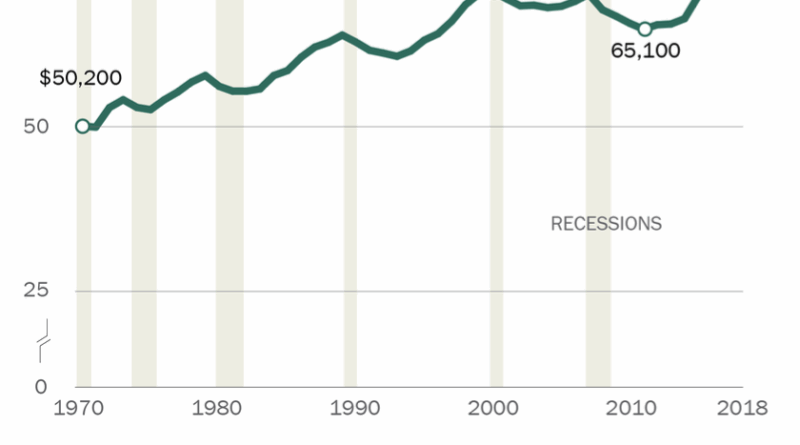
Earlier this month, figures from the Census Bureau showed that the median yearly income of Black households had fallen by 3.3% to $56,020. This annual income significantly pales compared to the median for white households, which is approximately $36,000 more. These unsettling figures make it quite evident that the financial situation for Black American households is indeed worsening.
Josh Garrett, a 30-year-old sales representative residing in Florida, expressed his frustration about the current situation. Having struggled to find a political candidate who aligns with his ideas and beliefs, he aired his grievances about the way Trump has handled layoffs of federal employees. His perception is of a government bending more towards the needs of the wealthy elite rather than the middle class.
Garrett put forth his puzzlement on how administration, supposed to be champion for the American people, has contributed to job losses, especially when families have to take care of their daily needs and expenses. He feels government policy is not aligning with the needs of its citizens, emphasizing their struggle nightly to fulfill their responsibilities and meet their bills.
While the economic forecast for Black Americans appears increasingly unstable, the wealth of white households remains more or less resistant, even showing a tendency to grow. The key to their financial stability, it seems, is the stock market which is performing well and contributing to their wealth.
Federal downsizing, as it turns out, seems to have affected Black Americans disproportionately as they constitute a sizeable part of the government workforce. Meanwhile, Trump has voiced a desire to dispatch the National Guard to major cities with Black leadership, including Chicago, New Orleans, Baltimore, and Memphis.
Additionally, the president has been advocating for restructuring of the boundaries of congressional districts in favor of the Republicans. Such a move could potentially diminish the political power of Black voters in influencing the electoral results. Baltimore Mayor Brandon Scott voiced concern over these initiatives, indicating perceived discrimination in policy.
Scott voiced concern about potential harmful effects of these changes on their communities, asserting a lack of aid in dealing with their struggles. He further warned that this worsening economic situation might indirectly increase crime rates in cities, potentially reversing the advancements in reducing homicides that have been seen over recent years.
Even though Black Americans form the primary bulk of Democratic voters, Trump has been successful in gaining some traction within this demographic. As per a comprehensive voter analysis, Trump was able to secure a vote from 16% of Black voters in the 2024 election, marking a doubling of his support from these voters from the 2020 elections.
Key among the reasons for this increase in support seemed to be economic concerns, particularly around inflation and affordability. In the 2024 election, about 36% of Black voters highlighted that jobs and the economy were the key issues for them, a major increase from just 11% in 2020 when the Covid-19 crisis was at its peak.
This shift in presidential support, however, does not mitigate the fact that the financial health of the Black American community appears to be in decline overall. With the economies strained and uncertain, the challenges faced by Black Americans could potentially escalate in the future, making this a crucial issue for policymakers to address.