
Forensic Science Labs Face Strain as Case Backlogs Mount
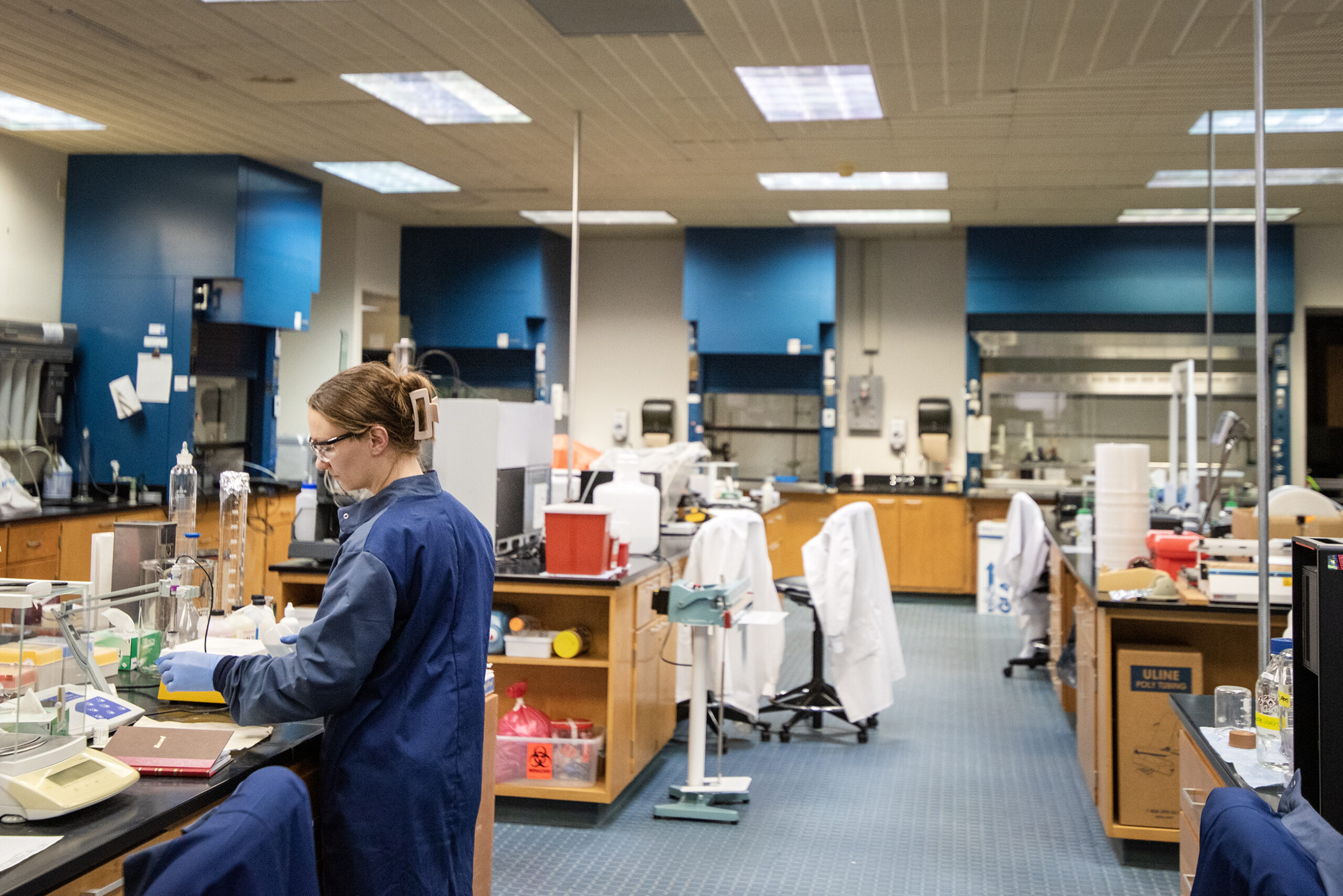
The Connecticut Forensic Science Laboratory stands as a prime example of a nationwide strain on forensic science labs. State-run labs are dealing with substantial backlogs across the various types of cases, including ones requiring DNA or ballistics analysis. These delays are not just holding up judicial proceedings, but also creating significant barriers in delivering justice to victims. Crime labs everywhere are grappling with overwhelming amounts of evidence, ranging from rape kits to drug samples and blood samples. With changes in laws and increasing evidentiary requirements, the situation is further exacerbated, which some fear could be worsened by looming federal funding cuts.
Two federal grant programs, central in keeping local and state crime labs afloat, find themselves on the chopping block. The repercussions of significant funding cuts are causing major concerns among forensic professionals, who assert the importance of these funds in maintaining the regular functioning of crime labs. ‘This could have catastrophic effects on many labs reliant on such funds,’ commented Scott Hummel, currently spearheading the American Society of Crime Laboratory Directors. He also mentions that further limitations could lead to increasing backlogs, forcing labs into difficult decision-making on case prioritization.
The significance of crime labs may not be apparent to the general public, but they are indispensable to criminal investigations. They undertake crucial tasks such as testing DNA, analyzing drug samples, comparing ballistics, and verifying evidence in an enormous array of cases. The inability of these labs to keep up with the workload due to lack of resources and advanced scientific equipment stems from years of underfunding. With the emergence of advanced forensic technologies, especially in the DNA and digital evidence sectors, the demand for labs has skyrocketed.
Consequently, new legal mandates and laws are adding to the burden of already overtaxed labs. Changes to drug laws, like more stringent DUI limits and reinstated clampdowns on marijuana, in particular, have caused an uptick in requests for drug analyses and toxicology reports. Other regions have mandated expanded evidence testing without ensuring the provision of additional funding.
Lab directors have expressed that even well-meaning laws can cause logjams when resources can’t keep up. James Carroll, the crime laboratory director at the Los Angeles County Sheriff’s Department, emphasized that lawmakers should acknowledge the increasing demands on crime labs and the necessity to match these with ample resources.
Compensation is another area of concern, with private sector jobs luring away analysts with more enticing salary packages and benefits. The exhaustive process of training new analysts, often extending over months or years, further complicates the quick filling of critical roles and retention of seasoned personnel. The pressure, often shouldered by analysts, can at times be overwhelming, reinforcing the need for perfection in a career where a single mistake can have severe ramifications.
Forensic science lab directors have warned against overworking staff, as it is not only harmful but can also lead to lapses in quality. This includes ‘dry labbing’ or fabricated results, which could jeopardize the credibility of countless cases. Owing to these reasons, many state and local governments are reassessing the funding and structure of their crime labs.
States like Colorado are grappling with fallout from substantial DNA testing scandals, enacting new laws to tackle backlogs and implementing review boards. Rhode Island also considered legislation to transfer oversight of its state crime lab to the attorney general’s office, but discussions have been deferred for further study. Meanwhile, in Tennessee’s Shelby County, a $1.5 million investment has been allocated for establishing the region’s first local lab specializing in rapid DNA analysis, digital forensics, and weapons ballistics.
The national focus on testing sexual assault kits has highlighted the issue of forensic evidence backlogs. However, this focus is also forcing challenging decisions on testing priority. In Oregon, the director of the state police forensic science division has declared a halt on DNA analyses for property crimes until the backlog of sexual assault kits is cleared. The resolution of this issue isn’t expected until year-end leaving nonviolent cases indefinitely postponed.
The concern extends to potential opportunities missed by not examining evidence from nonviolent cases. Entering DNA profiles from these cases into the National DNA database, CODIS, could aid in the early identification of culprits who may be involved in more severe crimes in the future. The importance of these cases cannot be discounted.
Mammoth budget cuts are underway, with the Trump administration proposing considerable reductions to major forensic science grants, a move that could exacerbate evidence backlogs amidst burgeoning demand. The Paul Coverdell Forensic Science Improvement Grants Program, which aims to bolster labs by updating equipment, training staff and reducing case backlogs, is in the crosshairs for a 71% cut. The Debbie Smith DNA Backlog Grant Program stands to receive less funding than its cap. The final decision on these budget cuts awaits Congress approval.
In a different corner of the country, the Colorado Bureau of Investigation’s crime labs are mired in turmoil. Following a grave DNA testing scandal and severe staffing shortages, the bureau now faces backlogs in every facet of their operations. The scandal revolves around a former DNA scientist, Yvonne ‘Missy’ Woods, accused of manipulating DNA results throughout her career. The scenario is further exacerbated by chronic understaffing, resulting in drastic delays in processing sexual assault kits and resolving toxicology tests. However, with additional staffing and better resources, the bureau aims to substantially reduce turnaround times.
Contrastingly, in Connecticut, the state’s forensic lab is setting a national benchmark for improvement and consistent performance. After facing accreditation suspension in 2011 and a massive backlog, the lab has now achieved a perfect accreditation score for three consecutive years. They have significantly reduced the turnaround times for all case types. Guy Vallaro, the Director of The Connecticut Division of Scientific Services, credits the impressive turnaround to dedicated scientists and staff. ‘When you have a good team, you can achieve extraordinary things,’ Vallaro lauded.