
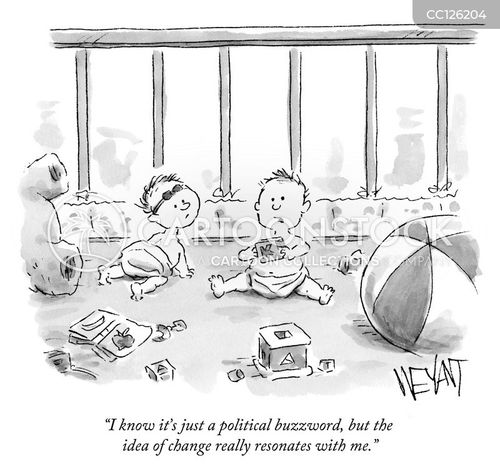
Harris and Biden’s Politics: Empty Buzzwords Over Substance
The political landscape has recently seen an unexpected harmonization of terminology between Democrats and Republicans; however, it is not in policy-making or any substantial area of importance. Instead, a meaningless, buzz-word reverberates from both sides, underlining the superficiality of their attitudes. Organizers and tacticians striving to resonate with the younger demographics, both from the left and right wings, are labelling their efforts as ‘hot.’ It appears that their aim is to project an image not of substantive policies and societal solutions, but one that simply mimics contemporary slang to connect with impressionable voters.
One particularly noteworthy example is the case of the Zohran Mamdani’s mayoral campaign in New York City. A group named ‘Hot Girls for Zohran’ endorsed him extensively, reflecting on how identity politics have come to dominate our political discourse over any valuable, substantiated ideas or perspectives. Meanwhile, the Democratic National Convention in Chicago saw an ‘after-party’ named ‘Hotties for Harris,’ an attempt to piggyback on the popularity of Kamala Harris without any tangible focus on her political stances or accomplishments.
Surprisingly, this trend isn’t just a fad in the Democratic circles. Gazing over at the Republican platform, where one would expect propriety and seriousness, a similar futile trend can be spotted. ‘Make America Hot Again,’ slogan featured on garishly vibrant pink hats, is prominently sold by the conservatively-leaning lifestyle magazine, ‘The Conservateur.’ These instances highlight the disheartening shift in both Democratic and Republican strategies – resorting to flamboyant promotional tactics rather than earnest discussions of political ideology and societal solutions.
The word ‘hot’ seems like an attempt to portray a party as not just a group of bespectacled policy geeks; instead, they wish to appear young, dynamic, and ‘in’ with Internet language. They emit a vibe that insists you should associate with them—and perhaps be swayed enough to cast your vote in their favor. The unfortunate reality is that, while such lingo might appeal to certain demographics, it diverts attention from the earnest political conversation that the country direly requires.
Tracing the origin of such political vernacular, one might recall the viral social media campaign #HotGirlsForBernie. Intended to show that Senator Bernie Sanders’s supporters were not just the stereotyped ‘Bernie Bros,’ it instead highlighted the gimmicky nature of our political engagement. It has now seeped across party boundaries, misused by any groups desperate for some semblance of public appeal, ideological or physical.
More recently, Mary Beth Barone, a Brooklyn-based comedian and political commentator, launched a social media video series about left-leaning political issues. This came after expressing her discontent with the outcome of the 2024 presidential election. Yet, instead of presenting insightful, nuanced takes on serious political issues, the series resorted to the same ‘hot’ rhetoric to grasp viewer engagement.
To consider politics overly rigid and dominated by older folks is regrettable, but to believe that the mere addition of the adjective ‘hot’ makes it more inviting demonstrates a concerning lack of critical thinking. What we need is profound and insightful dialogue on policy matters. Ultimately, true ‘hotness’ in politics shouldn’t be about how the output is marketed, but rather the quality of its substance.