
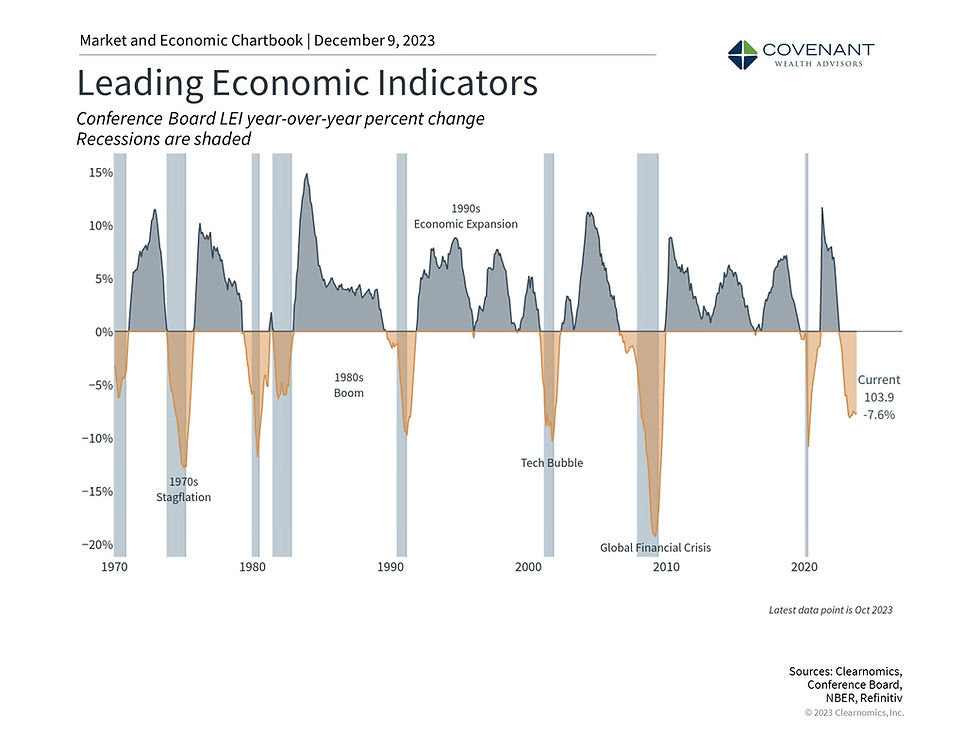
Inversion of Treasury Yield Curve Sparks Recession Concerns
Throughout much of 2025, an abnormality was observed in the Treasury yield curve – an inversion, a situation often seen as a prelude to recessions dating back to the 1960s. This condition could spell potential danger for stocks, with a larger segment of investors leaning toward everyday correction scenarios. The inverted yield curve, a widely respected herald of economic downturns since the 1960s, has seen a decrease in attention in recent times.
As we moved through 2022, the Federal Reserve raised interest rates. Subsequently, the long-term Treasury rates fell under the short-term yields, igniting concern over the economic wellbeing. Interestingly, the anticipated economic slump did not take place.
While the spotlight on the indicator has dimmed, its impressive historical precedence shouldn’t be cast aside. The anomaly in the yield curve, present for a good part of the current year, could be signalling that the economic slump that bypassed us earlier could be fast approaching, with employment markets showing initial signs of fatigue.
The commonly overlooked inversion of the yield curve for such a lengthy period was brought up by Rick Cortez, a fund manager at Broadmark Asset Management. Investors, having sidestepped a largely projected 2023 recession, might downplay such warnings this time, indicated Ben McMillan, the Chief Investment Officer (CIO) at IDX Advisors.
‘There is a tendency to heavily consider recent experiences; it’s a topic coming up frequently in discussions,’ observed McMillan. ‘Investor behaviors, particularly among the more retail-focused group, seem to be influenced by this.’ Further, he added, ‘Many financial advisors we have discussed with admitted they are purchasing on price dips for their clientele.’
If, however, a recession does roll in, it looks like stocks are in precarious territory, as valuations are lofty. Stock valuations mirror investor sentiment about the growth of earnings. When they ascend to extraordinary degrees, it can indicate that investors might be disregarding potential risks and are foreseeing almost ideal future scenarios.
The Shiller cyclically adjusted price-to-earnings ratio (CAPE) is a renowned assessment of valuation. It assesses the existing stock prices against a decade-long rolling average of earnings, easing the impact of outliers in earnings performance. Presently, the S&P 500’s Shiller CAPE ratio is grappling with one of its all-time peaks.
‘Currently, it’s significantly overestimated,’ said Cortez, referring to the S&P 500. ‘It’s almost comparable to the situation in 1929.’
Another gauge, popularly known as the Warren Buffett indicator, which compares the market cap of the Wilshire 5000 Index to the GDP, is also hitting peak levels, added Cortez.
It’s worth noting that a recession is not an inevitability, and the economy could persevere. There’s also a level of unpredictability surrounding the reaction of stocks to a recession as it would hinge on the severity of the downturn and the extent of support the Federal Reserve would provide with rate reductions.
Research Affiliates’ CIO, Que Nguyen, voiced that a potential recession wouldn’t necessarily lead to a substantial downside for stocks, considering the S&P 500 has already marked a roughly 20% decline this year in anticipation of a recession.
‘If we scrutinize the historical trajectory of markets, the downturn typically precedes the recession by 6-12 months, but bounces back prior to the actual hit,’ explained Nguyen. ‘Often, the market rallies just when the recession is at the peak, which can be attributed to the Federal Reserve’s rate reduction moves.’
This macro cycle, however, stands out. The tariffs implemented on April 2 by President Trump fueled fears of a recession, which later eased as the escalatory discourse softened, causing the market to surge toward record highs. With some tariffs remaining, investors are on the lookout for the potentially transformative impact they may have on corporate profits, inflation and subsequently, the labor market. At present, 61% of fund managers are considering a mild correction scenario, leaving room for surprise if a downturn emerges.