
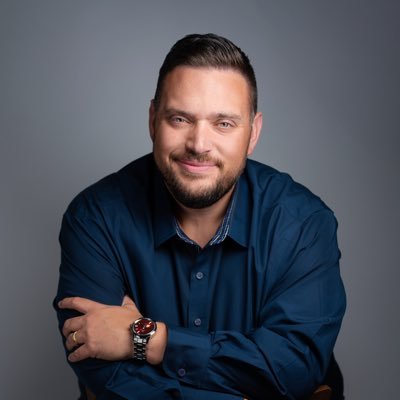
Jesse Watters Challenges Mike Nellis Over Chicago’s Need for National Guard
On a recent episode of ‘Jesse Watters Primetime’, host Jesse Watters contested the assertion of senior advisor to former Vice President Kamala Harris, Mike Nellis, that Chicago did not need support from the National Guard to address its crime problem. The conversation took place in the context of President Donald Trump’s proposal, announced at a press conference on the previous Friday, of his contemplation to send National Guard reinforcements to Chicago. He had previously deployed them in the capital, Washington, D.C., on August 11.
Watters challenged Nellis, asking him if he thought the city of Chicago could do with assistance from the presidential administration. Nellis refuted the idea, stating, ‘Chicago must enhance its crime-handling capabilities. The onus is on local leaders to improve the crime situation. They have had several occasions to elect Trump, but he lost by 80% each time. If Trump really wants to make an impact, he should focus on the issues plaguing the red states.’
Meanwhile, prominent figures such as Democratic Illinois Governor JB Pritzker and Democratic Mayor of Chicago Brandon Johnson expressed their reservations about Trump’s involvement in their city. During a press conference held earlier this week, they urged the president not to intervene, with Mayor Johnson showcasing purported improvements in crime statistics.
According to available data from the Chicago Police Department, there has been a notable drop in the number of reported homicides in the city. The reports suggest a decrease in such incidents by approximately 25% over the last year, ending on August 16, compared to numbers seen the previous year in 2023. The data shows a total of 474 homicides during this period, contrasting to an average annual rate of 722 homicides recorded between 2021 and 2023.
Nellis, however, was quick to rebut Watters’ line of questioning. He stated, ‘I’m all for bolstering our law enforcement presence in Chicago for the safety of our citizens. But Trump’s budget, sanctioned by the Republicans, trimmed community police funding by $2 billion. This implies that we will likely see a decrease in law enforcement presence on our streets.’
The decision by President Trump to deploy the National Guard and enact Section 40 of the District of Columbia Home Rule Act was primarily triggered by a series of criminal activities in Washington, D.C., that gained national coverage. Notably, these incidents include a vicious assault on a former staffer of the Department of Government Efficiency, and the tragic shooting of Republican intern Eric Tarpinian-Jachym which occurred on June 30.
Despite the strong opposition expressed by Democratic figures, a recent poll illustrates that Trump’s approach to combating crime is considered warranted and necessary by the majority. The Harvard CAPS/Harris poll released on Monday revealed that around 54% of registered voters saw the president’s efforts to reduce crime in the nation’s capital as being ‘justified and necessary.’
Jeanine Pirro, the U.S. Attorney for Washington D.C., announced on Monday that the federal intervention in the capital had yielded considerable results. There had reportedly been over a thousand arrests and confiscation of 111 unlawful firearms since the federal oversight began.
In summary, the debate surrounding President Trump’s decision to deploy the National Guard in Washington, D.C., and his contemplation of similar measures in Chicago has drawn significant attention and elicited varying responses. Chicago’s local leaders and some Democrats, like Nellis, believe the city should handle its own crime problems, seemingly in contrast to public trend shown in recent polls.
Funding cuts in Trump’s budget, as highlighted by Nellis, further fuel the concerns about policing capacities being compromised. It is an important perspective that heightens the concerns expressed by Chicago’s leaders about federal intervention in their city’s affairs.
The federal intervention’s successes in Washington, D.C. cannot be ignored either, with a significant number of arrests and confiscation of illegal firearms reported. It poses a question whether a similar approach in Chicago could have the desired impact in alleviating crime rates.
Even considering the recent spate of crimes in Washington, D.C., it must be noted that the decision to deploy the National Guard was not free of criticism. The significant opposition indicates a continuing debate over the balance between federal intervention and local management in addressing crime.
Decoding public opinion becomes critical in this debate. If a majority of registered voters approve of the deployment of the National Guard as the Harvard CAPS/Harris poll suggests, it indicates a likely gap between the electorate and their elected officials on the best way to fight crime.
Finally, the crime situation in Chicago itself cannot be overlooked. Although recent data suggests a decrease in homicide rates, it’s clear from the dialogue revolving around this issue that the city still faces considerable challenges in managing crime.