
Life Behind Bars: Unveiling the Intrigue of Prison Television
During the early years of the millennium, while detained at Rikers Island on murder charges, daytime television filled our shared viewing area, permeating the air with echoes of ‘Jer-ry! Jer-ry!’ or the eye-opening proclamations of ‘You are not the father.’ Post conviction, 28 years to life stamped on me in 2004, I found the TV taking even more of my hours. Prisons surprisingly had access to cable, an amenity facilitated through fund-raisers and the returns from vending machines present in the visiting rooms.
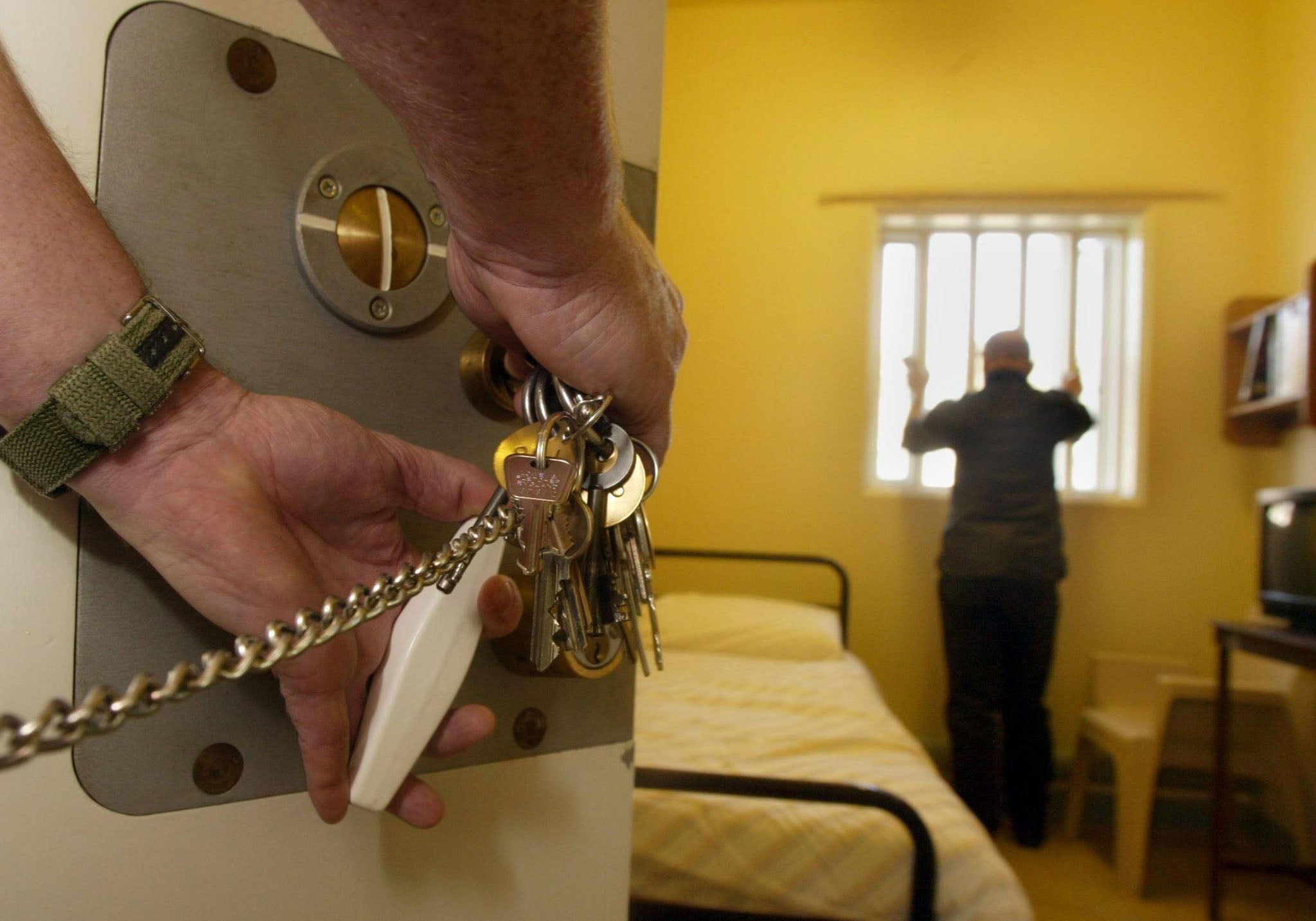
My sentence took me to Clinton Dannemora, a maximum-security containment near the Canadian border. Here, my commissary purchase included a modest 13-inch television, a perceived luxury, as it allowed me the freedom to indulge in my personal viewing preferences, isolated in my cell. After my relocation in 2007 to Attica, I was introduced to the Oxygen channel, buzzing with reality shows that possessed a particular allure for inmates.
Shows like ‘Bad Girls Club’ had a captive audience among us. I found myself drawn towards the strategic maneuvering and covert plotting in ‘Big Brother’ and ‘Survivor’. So much so that when I ventured onto prisoner dating websites, ‘The Bachelor’ topped my list of favorite shows. It resonated well with female correspondents, leading me to my future life partner, a woman named Danielly, who had a penchant for the darker side of programming — true crime.
Her true crime obsession heightened her paranoia to levels where she installed a bell inside her front door as an intruder warning system. An odd occurrence took place during one of her visits. She started intently looking over our shoulders. She confessed to recognizing a fellow prisoner from a ’20/20′ episode. I began to experience similar instances. Recognizable faces from various true crime shows seemed to suddenly materialize in the mess hall or the yard. I could vividly recollect the re-enactments of their crimes — a chilling brutal act or a hastily concealed burial.
As I moved to Sing Sing in 2016, I noted a shift in the Oxygen channel’s programming. Its reality shows had been replaced by a steady run of true-crime series, even its logo refashioned to mimic crime scene tape. Their frequent plots like ‘Buried in the Backyard’ were quite reflective of its viewers’ reality.
A few years saw me transferred again, this time to a smaller prison nestled in the Catskills, which lacked in-cell TVs. However, upon its closure and my subsequent return to Sing Sing, I was welcomed by the rampant true crime genre pervading nearly every available channel.
NBC American Crimes aired reruns of ‘Dateline,’ ‘American Greed’ and ‘Lockup.’ It felt surreal to catch glimpses of cells with TVs tuned in to ‘Lockup’ — a prison within a prison situation. Another channel, Merit TV, featured ‘Crime Stories With Nancy Grace.’ Currently, I can hear the broadcast of ‘Interview With a Killer’ from Court TV echoing through the cells.
Recent surveys indicate that more than fifty percent of Americans indulge in true crime programming. Regardless of the backdrop of our cells, true crime not only efficiently sedates us but also ironically delivers a perverse form of entertainment: a collective of individuals convicted of a range of felonies eagerly tuning into real-world tales of homicide, abduction, and theft.
Interestingly, the prison hierarchy also dictates viewing preferences. One day, a fellow inmate named Cody Hernandez, also known as ‘Ceeboy,’ confessed to watching Oxygen’s ‘Snapped.’ It was primarily his fiancée’s choice. Engaged in forensic psychology studies and living in a world impacted by Ceeboy’s incarceration, she initiated her true crime viewing habit. Subsequently, ‘Snapped,’ showcasing female murderers, became their collective entertainment. They coordinated their simultaneous viewing sessions over phone calls.
Meanwhile, my channel of refuge transformed to Bravo, specifically drawn towards the tranquil extravagance of ‘Below Deck’ and the scripted conflicts of ‘Summer House.’ These shows offered a serene absence of prison realities.
The allure of true crime is indeed perplexing. Deemed reality TV, it arguably represents its most grim faction. This isn’t about living vicariously through contestants vying for fame or exploring love; it’s about immersing oneself in stories that echo humanity’s darkest side. You empathize with the victims, despise the culprits, and absorb tales fraught with betrayal, infidelity, and violence.
I often wonder why people ensconced safely in their homes choose to consume this mayhem. But on reflection, these broadcasts serve as a stark comparison for viewers. They offer an external perspective fueling a belief that, irrespective of their personal shortcomings, trials, or concealed burdens, they fare better than those featured on the small screen.