
Rise in Wildfires and Air Pollution Link to Rheumatic Conditions
This year has been notable for an intense increase in wildfire activity, experts point out. The smoke generated by these fires has serious health implications. Usually, wildfires tend to consume around 7 million acres annually in the U.S. However, projections for the current year hint towards a sharp rise with an estimated 9 million acres expected to burn. Undoubtedly, this would result in a significant surge in smoke levels.
The question arises, why should this concern a rheumatologist? It is essential to understand that it’s not just rheumatologists but all healthcare professionals who should take this matter seriously. The patients who are predisposed, especially those suffering from lung or heart diseases are particularly at risk. The smoke inhalation can not only damage the lungs but can also trigger systemic inflammation leading to worsening of chronic diseases including rheumatic conditions.
Moreover, there are emerging theories that exposure to such conditions could potentially be the initial triggering event in the onset of diseases. Therefore, the impacts of smoke inhalation are not restricted to one organ or discipline; it is a concern for all and has wide-ranging effects on multiple body organs.
This does lead to a follow-up question of the state of air quality, particularly in regions such as Massachusetts. The fact is, air quality varies from place to place. The issue primarily rests with local conditions and is in turn affected by local factors. Some regions are naturally at a higher risk due to increased industrial pollution.
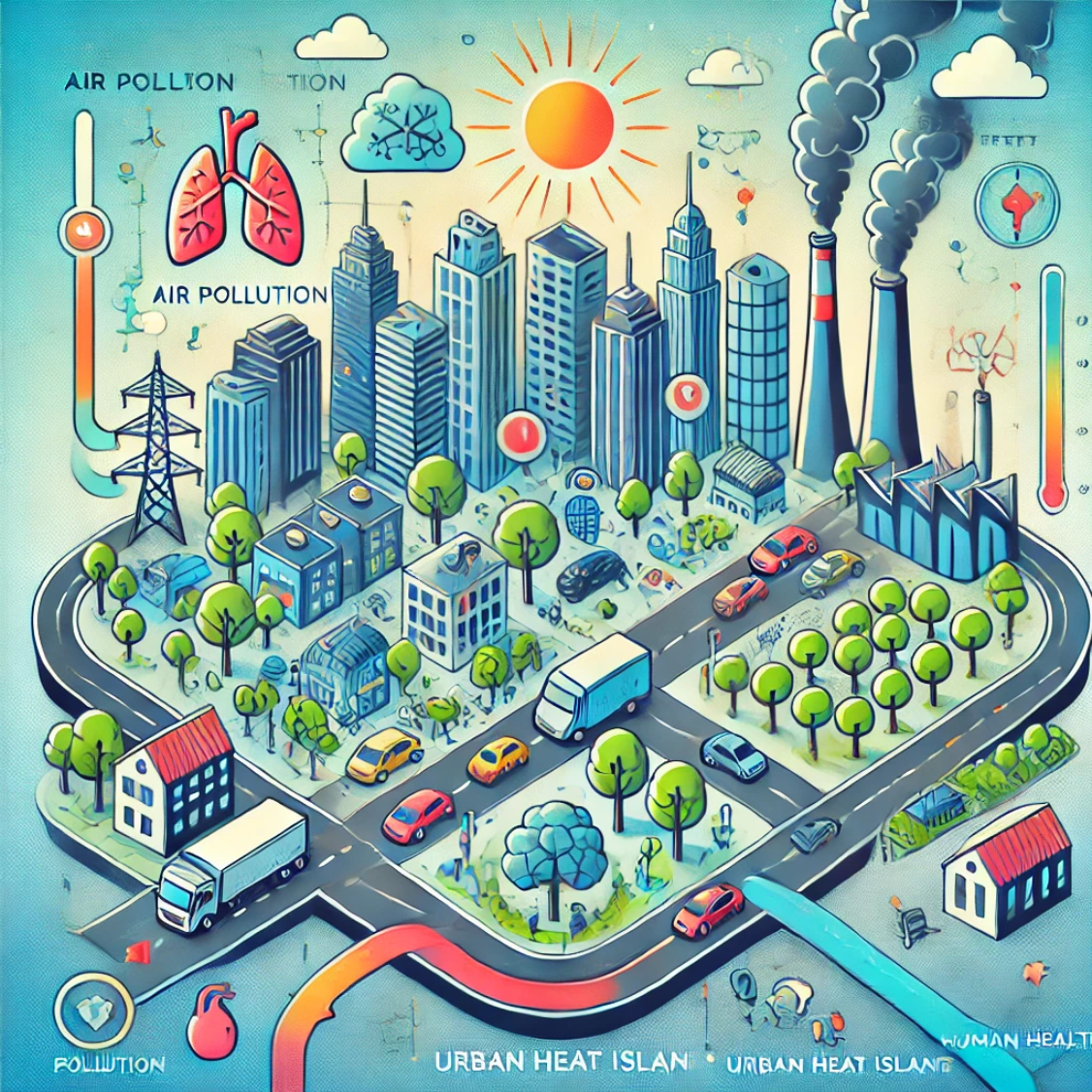
When we consider smoke from wildfires in tandem with dense air pollution common in urban locales, the circumstances become notably severe. This phenomenon can exacerbate the effects on those residing in such areas. It is evident that there are individuals who are at risk, and then there are those who have an elevated risk, making it a major challenge.
As we witness the problem intensify, adaptation is crucial. Our ultimate aim is to safeguard our patients from harm. Assuring preparation beforehand is essential. Both healthcare systems and community organizations play an instrumental role in helping patients tackle increasingly common threats such as droughts, wildfire smoke, and heat exposure.
Proactive adaptation and preparation is important because of the scale of the problem. Nearly 156 million people are exposed to unhealthy air, and almost half of the U.S. population resides in areas with detrimental levels of air pollution. This is an increase of 25 million compared to last year’s data, reflecting the worsening air quality across the country.
Even though the Clean Air Act of 1963 initiated improvements in air quality, we have unfortunately seen a halt in this progress over the past decade. The increasing occurrence of extreme heat events and wildfires has led to the escalation of ozone and particle pollution, two critical indicators of air quality. This has essentially reversed the improvements made in cleaning our air.
However, only 885 counties have enough monitoring and data to measure air quality properly. The remaining 2,250+, due to either lack of funding or insufficient population, don’t have adequate means to monitor their air quality. It is clear that wildfires are a significant contributor to unhealthy air, especially under conditions intensified by climate change, such as extreme heat and drought.
In addition to wildfires, other sources of pollution include emissions from various industries, extraction of oil and gas, and construction activities, helping put certain geographic areas at more risk than others. California serves as a prime example, having some of the most unhealthful air in the nation.
The Los Angeles-Long Beach area in California has the dubious distinction of being the most polluted metropolitan region when it comes to ozone levels, which can cause breathing difficulties and lung irritation. It also ranks within the top ten cities suffering from both daily and annual particle pollution. To the northeast, Bakersfield-Delano, California, also has severe particle pollution.
There exists an undeniable link between inhaling polluted air and serious health risks to all populations, but certain vulnerable groups face even higher risks. Individuals of color, in particular, are more likely to breathe in unhealthy air and have a higher prevalence of asthma, diabetes, and heart disease, conditions that are exacerbated by air pollution. Additionally, Hispanic or Latino people are nearly three times as likely to live in areas with polluted air compared to white people.
Exposure to poor air quality can lead to severe health consequences, including an increased risk of premature birth, the onset and worsening of lung and heart disease, and even death. Certain populations such as children, seniors aged 65 and over, pregnant individuals, smokers, and people living in poverty are especially susceptible.
Despite the grim picture, there is some good news on the horizon. Several counties have seen improvements rather than deterioration when it comes to ozone pollution. These include counties in states like California, Idaho, Nevada, New Mexico, and Wyoming.
Finally, it’s worth noting the cleanest areas in terms of air pollution. These include Augusta-Richmond County straddling Georgia and South Carolina, Casper in Wyoming, Asheville-Waynesville-Brevard in North Carolina, Bangor in Maine, and Urban Honolulu in Hawaii. In these cities, the air pollution levels are minimal, allowing for healthier living conditions.
The social and health impacts of our changing climate are interlinked. By understanding these complexities, we can take proactive measures that protect the most vulnerable among us while improving the health and quality of all our lives.