
Supreme Court Green-lights Trump’s Federal Workforce Downsizing Actions
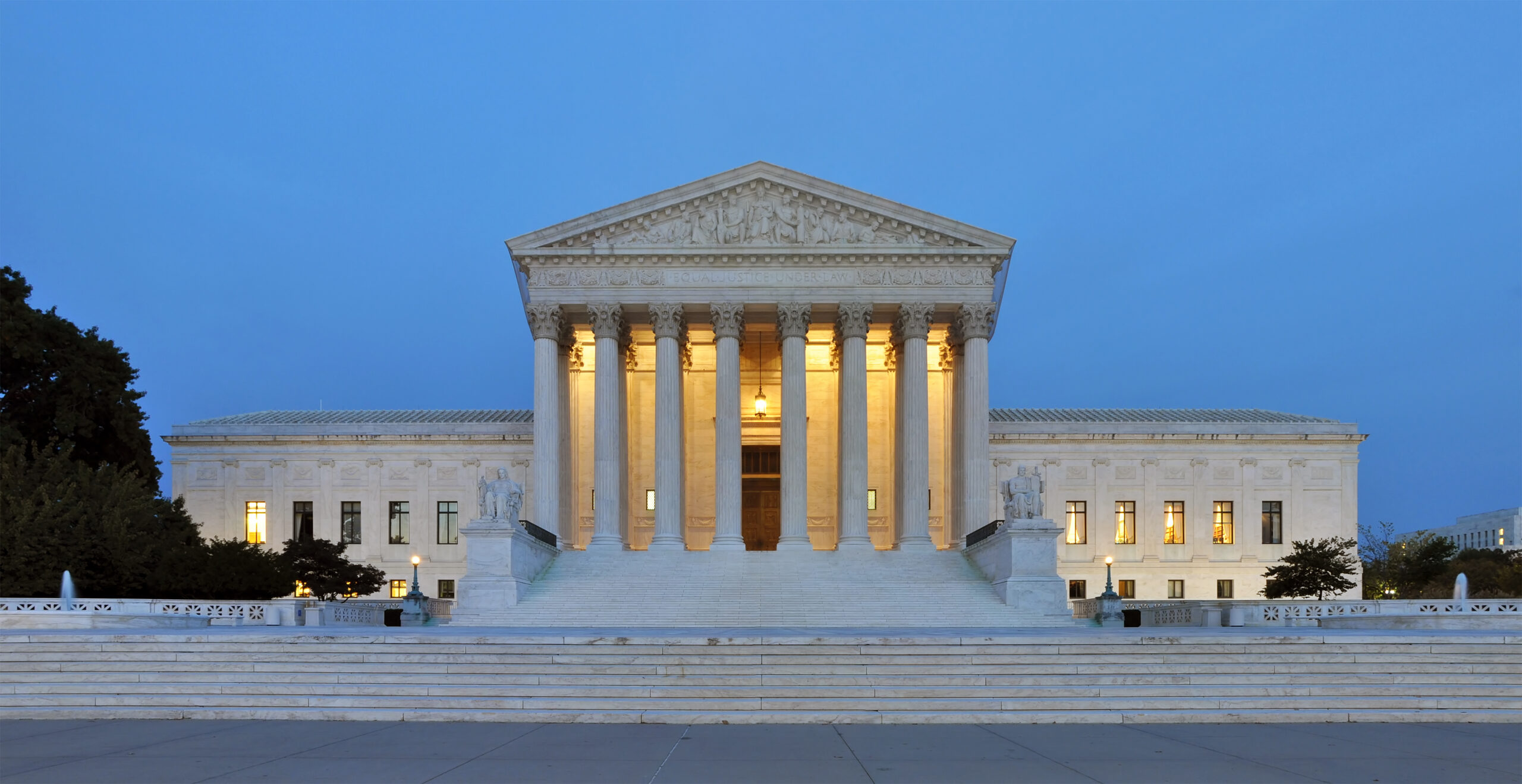
A recent decree by the Supreme Court has reanimated the Trump administration’s efforts to trim and restructure the federal workforce. A lower court had previously put a stop to such plans as legal scrutiny unfolded. However, this protective roadblock is now removed, following the Supreme Court’s latest decision issued on Tuesday.
In his bid to eliminate ‘waste, bloat, and insularity’ within government bureaucracy, Trump had previously in February recommended that federal agencies should work towards significant workforce reduction that aligns with the law. His directives were geared towards paring down the size of the federal workforce through methods such as employment freezes and voluntary deferred resignations. Elon Musk, leading the Department of Government Efficiency cost-cutting task force, spearheaded these initiatives.
Although Musk has since left his role, the Department of Government Efficiency, also known as DOGE, has persisted in its cost-cutting endeavors. Contrary to the majority ruling, Justice Ketanji Brown Jackson stood as the sole dissenter in the Supreme Court opinion, without a specific downsizing plan in focus.
Justice Jackson expressed a preference for preserving the current state of affairs until the pending lawsuit, put forth by the American Federation of Government Employees, reaches a resolution. She proposed that any widespread job cuts could inflict lasting damage, but her pleas fell on deaf ears. Jackson lamented the court’s decision to unleash the President’s wrecking ball so early in these legal proceedings.
The Supreme Court mirrored a confident tone, suggesting that the administration stands a high chance of winning their case regarding the legality of Trump’s executive order, and as such, they chose to remove the standing injunction. The spokesperson for the U.S. Office of Personnel Management voiced her satisfaction with the court’s recognition of the administration’s executive order and subsequent guidance as being entirely lawful.
The U.S. Office of Personnel Management (OPM) pledged to collaborate with various agencies to foster a reduced, yet efficient and effective federal workforce, one that would serve the American populace, but at a significantly diminished cost.
OPM provided an initial depiction of the employment patterns that have emerged under the Trump administration in the early part of the month. As per the records dated March 31, nearly 2.3 million civilians are employed by the federal government, marking a reduction of more than 23,000 roles since the conclusion of the previous fiscal year.
Further reports from the Federal Reserve highlight a decrease of 57,000 federal employees dating back to the start of the year, a trend which is believed to be strongly influenced by Trump’s imposed hiring freeze. The OPM also reported a large number of employees having received reduction-in-force or termination notices, but were still included in payrolls due to ongoing court orders.
Due to the lifting of the injunction, these employees who have been sheltered by court orders could potentially now face unemployment. This has sparked disappointment among the American Federation of Government Employees and other challengers.
Critics of the Supreme Court’s decision voiced their concerns, claiming it as a significant setback to democracy and fearing that essential services for the American public may be under threat. They maintained that the objective of redefining government functions without legislative approval and laying off federal workers haphazardly is simply unfeasible according to the constitution.
The restructuring plans for layoffs on a per department basis still appear to be uncertain. Following the release of the Supreme Court opinion, the State Department commented that they would proceed with their restructuring plans.
Meanwhile, the Department of Veterans Affairs indicated that it is postponing its plans to layoff approximately 80,000 employees. With the heftiest payroll among the 18 cabinets, the Department of Veterans Affairs seemed to be a prime candidate for cuts.
The Department of Veterans Affairs now mentions an expected reduction of 30,000 roles by the end of the fiscal year through normal attrition, early retirements, deferred resignations, and hiring freezes.
DOGE boasts having saved tax payers an exorbitant $190 billion through a mix of measures such as cancelling expensive government contracts, asset sales, combating fraud, halting grants, program modifications, layoffs, and more. However, some insiders question the credibility of these proclaimed savings by DOGE.
With the departure of Musk, the direction and intensity of DOGE’s future endeavours to downsize the federal workforce remains speculative. However, it’s undeniable that federal worker compensation, constituting about $400 billion, still pales in comparison to the federal spending nearing $7 trillion.