
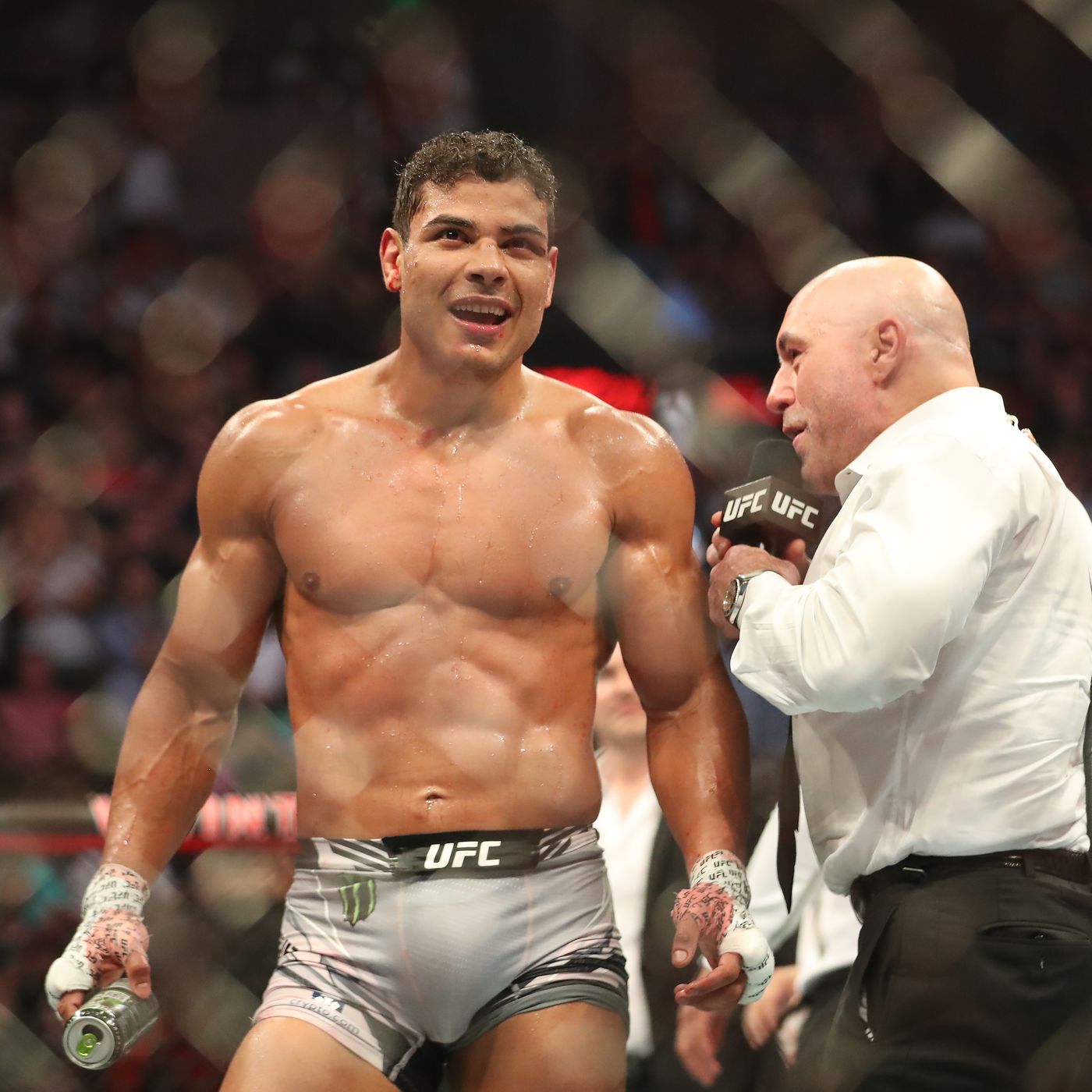
The Evolving Relationship Between UFC’s Dana White and Fighter Paulo Costa
Within the domain of professional mixed martial arts, the UFC in particular, conflicts between fighters and the organization’s president, Dana White, aren’t an unusual occurrence. Renowned fighters, ranging from old-school warriors like Tito Ortiz to today’s champions like Francis Ngannou, have experienced constant fluctuations in their relationships with Dana White. These ups and downs often circulate around issues regarding compensation, contractual disputes, or promotional disagreements, but tend to reach an equilibrium or end with the fighters’ shifts in the organization.
Paulo Costa, a prominent fighter from Brazil, has recently spoken about his own experience in the same narrative. Costa unveiled his previous dissatisfaction within the UFC, pinpointing that the remuneration for his initial six fights seemed disproportionate, owing to early career decisions. At that point, the bond he shared with Dana White was quite strained and contributed to a challenging milieu.
However, Costa currently asserts that the tide has turned, with his relationship with Dana White now transformed and bolstered. While he spent his early days in UFC disgruntled, he now fully stands behind the organization’s head, underlining an evolution in their rapport. Despite White’s usual avoidance of publicly addressing such issues, he has shown willingness to respond to these critiques, asserting that the organization was supportive during these testing times.
In a recapitulation of his journey, Costa stated, ‘I am in solidarity with Dana White now, a stark contrast from my initial days. We did have some disagreements, which made me feel disillusioned and upset. The stipulated pay for my first six fights was nothing short of egregious. However, over time, circumstances have drastically changed.’
It’s noteworthy that Dana White’s generosity is a recurring theme across several discussions, even from combatants who previously had differences with him. Despite the disagreements, a number of fighters have expressed their gratitude towards White for his assistance in turbulent times. This support, offered in various forms such as financial help or personal favours, and manifested both in public and private, hold significant value for these athletes.
An instance illustrating Dana White’s helpful nature involves Mokaev, who parted ways with the UFC following internal disagreements. Just a few days after his departure, Mokaev was involved in a severe automobile accident, luckily escaping without any major injuries. What surprised him was a spontaneous financial aid from Dana White.
Despite their shared history of disagreements, White’s financial support came without any solicitation, leaving Mokaev appreciative and astounded. This was an act that strongly reinforced the narrative of Dana White’s generous side, that goes beyond mere public relations.
In a similar vein, Dana White also lent his support to Ben Askren amidst a grave health complication. Askren required a lung transplant, a serious condition that placed tremendous strain both physically and emotionally. Askren’s plight ignited White’s empathetic side, further corroborating his reputation of benevolence when it counts the most.
White’s support provided a beacon of hope in these high-stakes situations, demonstrating his willingness to extend help when needed. It showcases the human side to his public figure and his ability to assist even when past relationships have been strained.
As it stands, White’s character juxtaposes an array of public feelings towards him. While he has had his share of public clashes and drawn criticism from fighters over his management decisions, he’s also been lauded for his generosity in times of personal crisis.
Ultimately, it’s clear that disputes and conflicts, particularly those around pay and contracts, are innate to the sport and the UFC’s game dynamics. Yet, the pattern of Dana White’s support during times of crisis vividly illustrates the complexities of his role within the organization and his relationships with the fighters.
These instances, whether Costa, Mokaev, or Askren, enrich the narrative of Dana White’s leadership, balancing criticisms against his often highlighted benevolence. The stories underline that, in spite of any professional dissonance with athletes, he manages to project a penchant for compassion in times of personal distress.
Overall, regardless of individual perceptions about Dana White, what remains consistent is his ability to demonstrate generosity when it truly matters. Whether during stressful negotiations, public disagreements, or personal crises of the fighters, White’s helping hand has been a pivotal element in the UFC’s unique brand of mixed martial arts.