
UN’s World Food Program Announces Exhaustion of Food Reserves in Gaza Amid Israel Blockade
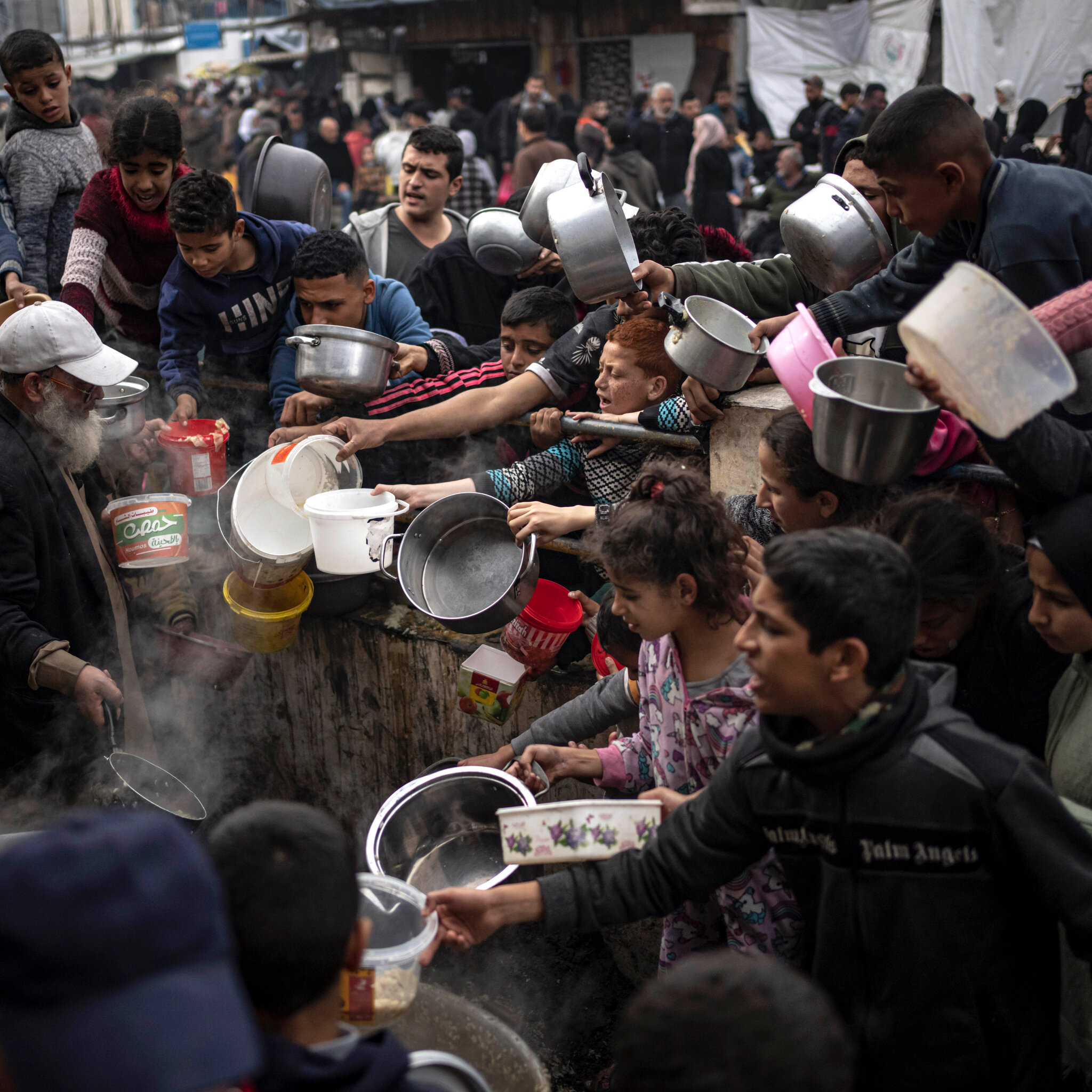
The United Nations’ World Food Program (WFP) has announced the exhaustion of its food reserve in the Gaza Strip as a result of Israel’s near two-month blockade, thus affecting the primary food source for multitudes of Palestinian locals in the area. This information was delivered via a press statement revealing how charities reliant on WFP stocks across Gaza received their last delivery. The statement also expressed concern that these charity-run kitchens would soon deplete their own reserves. With charity kitchens being the main food source for nearly 80% of the over 2 million Gaza population whilst Israel’s blockade endure, the future of food supply and security seems grim.
The WFP has been sponsoring 37 kitchens capable of preparing about half a million meals daily. However, given the prevailing circumstances, a conclusive number of operational kitchens in the near future remains uncertain. As the impact of the blockade continues, Israel also restarted a bombing campaign and ground invasions after a two-week pause on March 2, bringing an abrupt end to a ceasefire that lasted two months with Hamas. Israel’s reason for these actions is to apply pressure on Hamas to free captured individuals.
Various human rights organizations have criticized the blockade, describing it as a ‘tactic of starvation’ and going as far as labeling it a potential war crime. Despite these accusations, Israel maintains that there is an adequate supply of resources in Gaza, attributing a surge of aid provided during the ceasefire period. The Israeli government has countered the allegations by blaming Hamas for redirecting aid for their own advantage.
Contrasting this claim, aid workers in the region reject the notion of significant aid diversion, stating there’s strict monitoring by the U.N. They argue that the aid provided during the ceasefire was hardly sufficient to meet the tremendous needs accumulated throughout the war, marking a period when only minimal supplies managed to reach Gaza. With an absolute halt in the arrival of new commodities in Gaza, various food items such as meats, eggs, fruits, dairy and several vegetables are vanishing from local markets.
The scarcity of products coupled with the economic fallout of the blockade has led to a significant surge in the prices of remaining items, which has rendered much ordinary foodstuffs out of reach for a majority of the populace. Consequently, many families are now heavily dependent on canned goods. A concerning increase in malnourished people has been noted, signifying the severity of the food crisis.
According to U.N. reports, acute malnutrition in March was observed in nearly 3,700 children, marking an alarming 80% raise from the previous month. However, due to dwindling supplies, the number of children receiving nutritional supplements dwindled by 70% from February to March, amplifying the risk of malnutrition. As resources further deplete, such nutritional supplements have become a vital line of defense against malnutrition.
The impact of resource scarcity is not limited to charity kitchens. Almost all of Gaza’s bakeries have ceased operation, save for a few, owing to a lack of supplies. The WFP had to halt the distribution of basic food staples to families due to the scarcity. Consequently, charity kitchens, lacking most ingredients, mainly serve meals of rice or pasta with little else.
World Central Kitchen, a U.S.-based charity that operates more than one kitchen in Gaza independent of WFP support, revealed that it too is running out of protein-based foods. To continue their operations, they have resorted to making stews from canned vegetables, due to the dire circumstances. Given the rampant fuel shortage, the charity has had to resort to dismantling wooden shipping pallets to use as fuel for their stoves.
Remarkably, it operates the only remaining bakery in Gaza, producing nearly 87,000 pitas day in and day out. To tackle the severe food shortage, the WFP disclosed plans to transfer 116,000 tons of food to Gaza. This massive food supply would be enough to sustain a million people for a quarter of a year, provided the Israeli authorities loosen the border restrictions.
The saga takes place against a backdrop of a severe military assault on Gaza. Israel has embarked on a slash-and-burn campaign, leveling much of the Gaza Strip in their air and ground ventures. The main objective of these operations is to dissolve Hamas, especially in response to their attack on southern Israel on October 7, 2023.
This protracted conflict has led to substantial loss of life, with Palestinian fatalities exceeding 51,000, mostly women and children. This grim tally was offered by the Gaza Health Ministry, which refrained from distinguishing between civilian and combatant casualties.
In the October 7 attack, militant forces accounted for roughly 1,200 casualties, primarily civilians and abducted 251 people. Of the captured victims, 59 are yet to be released following numerous rounds of ceasefire negotiations, thus intensifying the socio-political climate.