
FDA to Review Fluoride Supplements Amid Growing Concerns
A prominent healthcare advisory panel in the government recommends that children between six months and five years old who live in regions with low fluoride levels should receive fluoride supplements. An initiative was launched by U.S. health regulators on Tuesday with the goal of gradually discontinuing the use of fluoride supplements ingested for the benefit of children’s dental health.
With the objective of eliminating these items from the market, the Food and Drug Administration has announced that it will complete a scientific evaluation of products for children by the end of October. Fluoride lozenges and tablets are occasionally suggested for children and teens perceived to be at a heightened risk for dental decay or cavities due to the low concentration of fluoride in their community’s water supply. Various companies even market drops specifically tailored for infants. Notably, the water supply in Portland does not contain added fluoride.
FDA Commissioner Marty Makary has expressed concerns about these products, stating that they can contribute to health issues when ingested. They can interrupt the function of important gut bacteria central to the digestive process, immune response, and other vital bodily functions. He referred to research that found potential links between high consumption of fluoride and problems like lower IQ levels.
Despite these concerns, prior examinations by public health specialists and dental professionals haven’t revealed any significant health issues linked to these products. However, as state and local authority figures initiate the removal of fluoride from water sources, the demand for supplemental fluoride is anticipated to escalate.
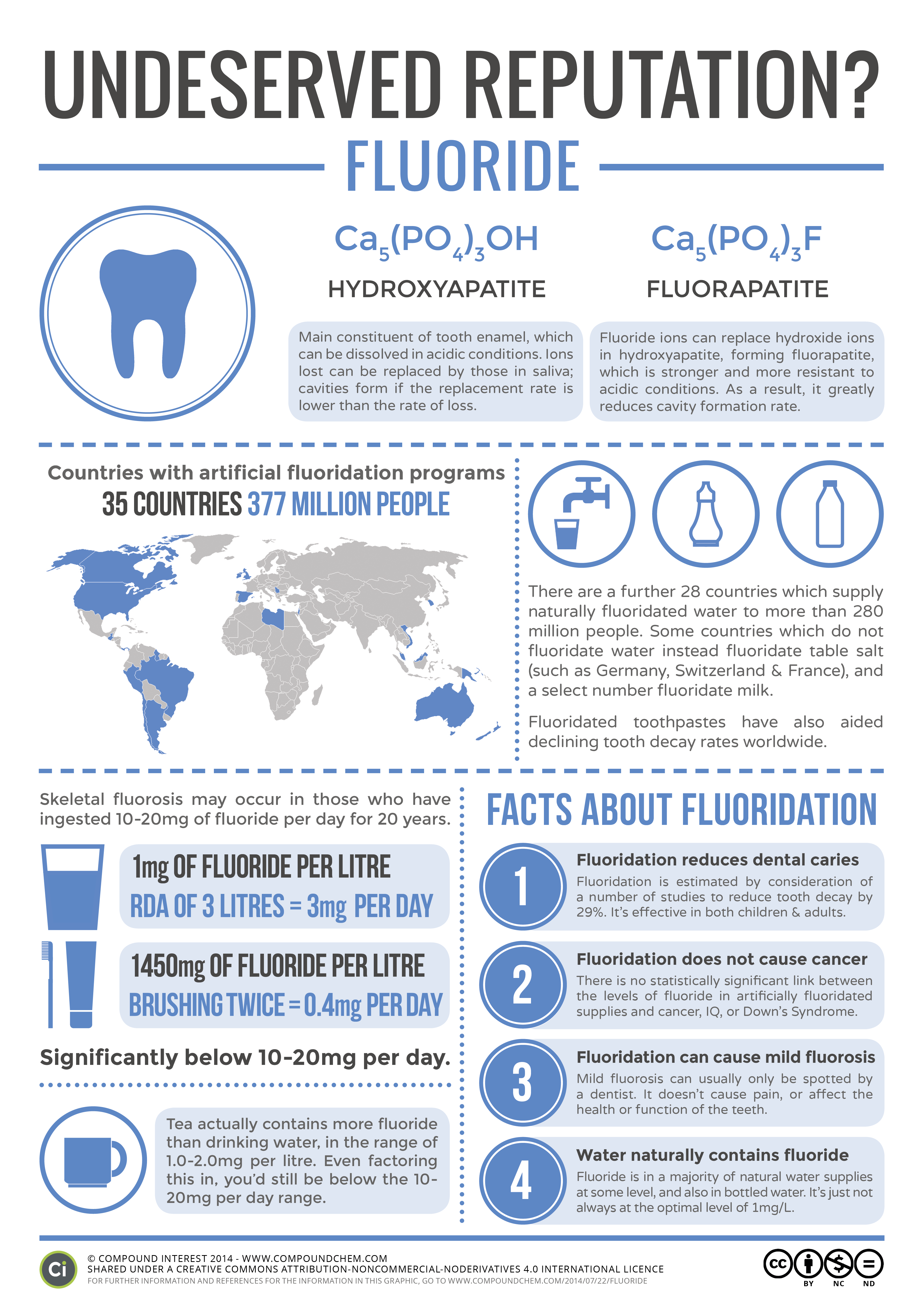
Recently, officials in Utah – the first U.S state to prohibit the addition of fluoride to drinking water – made fluoride supplements accessible without the need for a prescription. As the Centers for Disease Control and Prevention asserts, fluoride fortifies teeth and lessens cavities by replenishing minerals lost through regular wear and tear. The CDC, back in 1962, provided guidelines for the levels of fluoride to be added to water.
A former environmental attorney has made serious accusations about fluoride, labeling it a ‘dangerous neurotoxin’ associated with various health risks. Only last month, he initiated a task force to diligently investigate fluoride’s usage.
In a report released last year, the National Toxicology Program of the U.S. government stated that consuming water containing over twice the suggested fluoride level correlated with reduced IQ scores in children. This conclusion is based on studies carried out in countries like Canada, China, India, Iran, Pakistan, and Mexico.
‘The discontinuation of ingestible fluoride has been a long time coming,’ a statement on Tuesday revealed. The influential health panel in the government has repeated its advice that children between six months and five years old living in regions with low levels of fluoride should take fluoride supplements.
The recommendation from the U.S. Preventative Services Task Forces was judged to hold ‘high certainty,’ based on the existing body of evidence. A position statement from the American Dental Association in 2010 proposed fluoride supplementation for children up to 16 years old with a high risk of developing cavities, following an extensive review of related studies across a variety of age brackets.
Among the observed side effects associated with the products, the most commonly reported is the appearance of spots or discoloration on the teeth, which is caused by surplus fluoride.
Most dental products, including fluoride-infused toothpastes, supplements, mouthwashes and rinses, fall under the regulatory purview of the FDA. However, in a press release, it was revealed that the agency found that the ingestible products it is focusing on have never obtained official approval.
The FDA’s plan does not have any implications for toothpastes, mouthwash or adult fluoride treatments, nor does it impact those treatments offered at dental clinics. Interestingly, there has been a recent surge in the number of lawsuits and formal complaints targeting products containing fluoride.
In summary, while there’s a growing need for supplemental fluoride as more regions stop adding fluoride to their water, concerns about the safety and effectiveness of ingestible fluoride supplements are also increasing. Scientific review, government guidelines, and legal actions will all shape the path forward for these products and the debate around fluoride usage generally.