
Billions in Shekels: The High Financial Toll of Israel-Iran Skirmish
An approximated cost of the recent 12-day skirmish between Israel and Iran has reached into the billions of shekels on the Israeli side, according to local experts. Devastating missile strikes have led to rapid inflation of the figures, leaving thousands of Israelis displaced. The aftermath has seen defense expenditure in 2025 soaring past the initially approved budget, estimated between 20 to 30 billion shekels. This enormous increase has been predominantly attributed to tensions with Iran and the ongoing strife in Gaza.
Projections from the Ministry of Defence forecasts a continued escalation in costs, with an estimated upsurge of 25 to 30 billion shekels in the year to follow. By mid-2025, the government of Israel had registered a budget deficit of 15.9 billion shekels ($4.56bn), as reported by the country’s finance ministry. This marked an increase in deficit from a substantial 8.5% of GDP in September to a current approximate of 5% GDP.
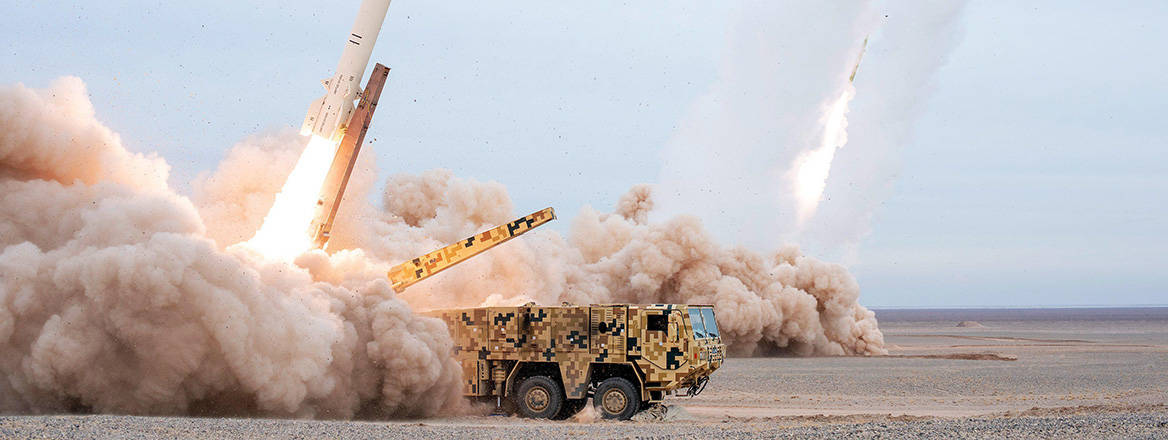
A significant turning point occurred on June 13th when Israel retaliated with air strikes aimed at Iran’s nuclear facilities, resulting in a lethal blow to the country’s senior military leaders and scientists. These tensions escalated when Iran launched a counterstrike, unleashing hundreds of ballistic missiles targeting Israel, demonstrating a clear display of aggression.
Israel was able to intervene and successfully intercept most of the incoming missiles using its defensive arsenal. However, a few dozen eluded the defense system, hitting approximately 63 distinct locations. According to reports from the Israeli Health Ministry, these strikes resulted in the loss of 29 Israeli lives and left 3,238 civilians injured.
The repercussion of these missile strikes in the form of physical destruction is estimated to be around 5 billion shekels. Subsequent to the ceasefire agreement, Israel’s Finance Minister, Bezalel Smotrich, discussed the emotional and fiscal impacts on the nation. He emphasized that despite the overwhelming challenges, Israel achieved a crucial victory against Iran, thereby mitigating an imminent existential threat.
Critics of Smotrich have raised concerns about delays in compensating people displaced by the war. Based on property tax estimations, approximately 15,000 Israelis found themselves forced out of their homes due to the damage, with many opting for hotel stays across the country. The costs associated with these sudden relocations are anticipated to be in the ballpark of 100 million shekels ($29m).
The reality for many of these refugees is that their homes face impending demolition, extending the timeline before they can return. The severity of the structural damage to many of these homes determines that it could take years before they are rebuilt and deemed safe for dwelling again. In the interim, the state will shoulder the rent payments for hundreds or possibly thousands of displaced families.
In the aftermath of the conflict, the Government Compensation Fund has seen a flurry of claims, with the total number surpassing 41,000 and more expected. A large portion of these claims, around 33,000 of them, pertain to building damages, while the remaining 8,000 are linked to harm inflicted on property, vehicles, and various equipment.
A significant portion of these claims – approximately 26,000 – have been lodged by residents of Tel Aviv. Indirect costs incurred by Israel also form a considerable part of the expenses experienced during the war period, as only key workers were authorized to continue their work.
In response to these indirect costs, the government is looking to initiate a relief program aimed at catering to workers and business owners who have borne the brunt of these unforeseen circumstances. The estimated expense of this proposed support program stands at around 2 to 3 billion shekels.
Anticipating an increase in compensatory payments to Israelis affected by the conflict, government expenditures are likely to rise in the near future. Before the onset of the clash, the state was already providing permanent compensation to approximately 6,000 Israelis.
However, this existing financial obligation saw a significant leap to around 25,000 beneficiaries post-conflict. It is expected that this number will continue to rise as the country grapples with the war’s lingering impacts.
The ongoing situation is fluid, and exact predictions regarding the growth rate of these financial obligations are hard to determine at this point. However, one thing is apparent – this additional compensation burden is projected to accumulate to a figure that could reach tens of millions of shekels annually, expanding the financial impact of the conflict even further.
The hard-fought conflict and its subsequent financial implications have deep ramifications for Israel’s economy. The government has been forced to bear heavy burdens, both in terms of its defense budget as well as the expenses associated with compensation claims.
These escalating costs are evidence of the profound impact of the conflict on the physical, emotional, and financial health of the nation. The state finds itself faced with increasing expenditure and growing list of claimants awaiting compensation in the aftermath of the conflict.
Ultimately, the enduring impact of the Israeli-Iranian conflict will leave a substantial footprint on the fiscal landscape of Israel. As the nation continues to recover and rebuild, these costs will likely follow them for years to come, demonstrating the enduring price war exacts on a country.