
U.S. Ice Cream Producers Pledge Removal of Artificial Colors by 2027
Nearly all ice cream and frozen dairy dessert manufacturers in the nation, accounting for 90% of domestic production, are committing to erasing numerous artificial food colorings from their product lines by 2027. This pledge was announced just ahead of National Ice Cream Day, celebrated on July 20th, by the International Dairy Foods Association, an industry body representing numerous dairy enterprises.
This significant step towards healthier dietary choices gained momentum in partnership with Robert F. Kennedy Jr., the Secretary of Health and Human Services, who has been a powerful advocate for nutrition reform through the ‘Make America Healthy Again’ initiative. Primarily, Kennedy has focused on highlighting the connections between prevalent health issues such as obesity and cardiovascular diseases and the role the food sector plays in exacerbating these conditions.
Earlier in April, Kennedy publicized a list of eight artificial colorants to be gradually removed from both medications and the nation’s food supply by 2026. These additives are major constituents in a variety of consumer products, including candies, frozen desserts, sweet beverages, and fruit preserves.
The participating ice cream creators are willingly accepting the challenge to discontinue usage of the certified artificial colorings, many of which are commonly recognized: Red 3, Red 40, Green 3, Blue 1, Blue 2, Yellow 5, and Yellow 6.
The announcement on this landmark commitment happened on July 14, in the vicinity of the U.S. Department of Agriculture building. A group of key individuals were present at this event, including the Agriculture Secretary Brook Rollins, Martin A. Makary, the Commissioner of Food and Drugs, as well as several leaders from the dairy industry.
Kennedy took this opportunity to discuss potential collaboration with the dairy community in promoting the nutritional value of dairy items, particularly for improving child health. This proposed partnership stems from recent scientific findings highlighting the necessity of incorporating more proteins and fats into American dietary habits.
He emphasized the increasing volume of scientific evidence advocating for higher protein and fat intake in our diets. In sync with Kennedy’s perspective, Makary expressed his agreement. ‘This is a renaissance moment in health in America,’ Makary stated, emphasizing the dire need to revamp the country’s outdated and ineffective nutritional guidelines.
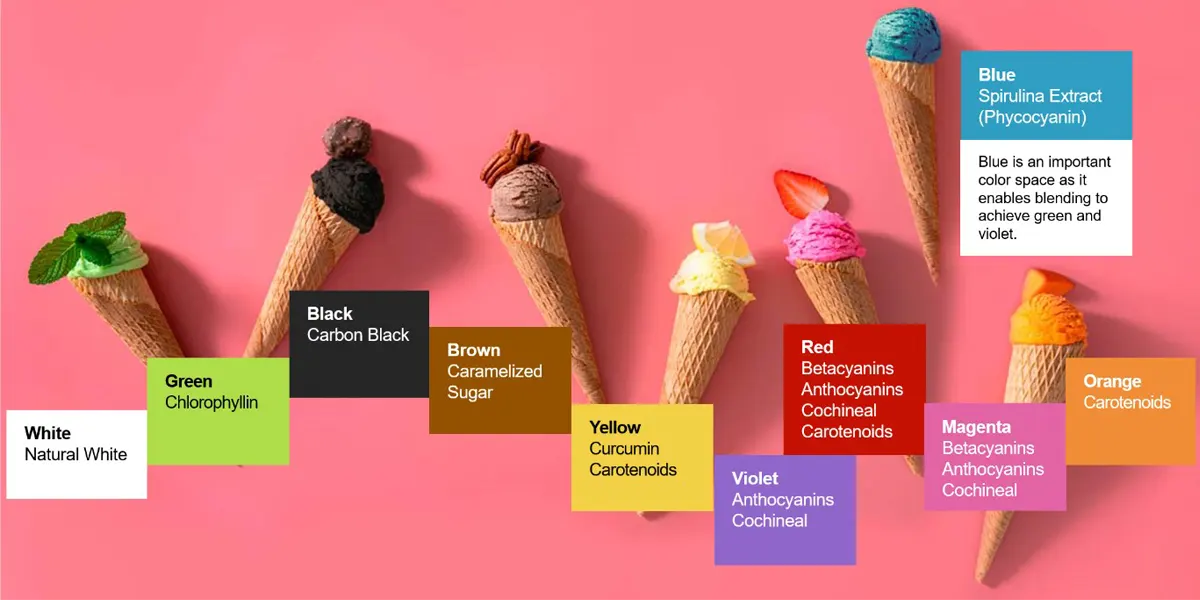
‘We’ve reached a point of no return — we can’t keep legitimizing a defective food pyramid and perpetuating the seven-decade long misrepresentation of natural saturated fat,’ harped Makary. He took this chance to introduce Gardenia blue, a newly endorsed color additive sourced from the gardenia fruit.
This natural coloring joins three others that have already been approved by the Food and Drug Administration (FDA) in the last sixty days: galdieria extract blue (derived from algae), calcium phosphate (a white dye), and butterfly pea flower extract (a natural source of blue, purple, and green shades).
Even though there has been no legislation or formal agreement mandating the erasure of these dyes, Kennedy assured that there’s a shared intention between the HHS, FDA, and the food industry to phase them out. These ties have been evidently strengthened under Kennedy’s leadership, considering the willingness of food giants to alter their practices.
Prominent names in the food industry like Kraft Heinz, General Mills, Nestle, Tyson Foods, and Hershey’s have pledged to sweep all artificial food dyes from their products in the upcoming few years. This promise comes at a significant time, given the huge ice cream consumption trends observed among Americans.
On average, an American consumes around 19 pounds of ice cream per year, equivalent to approximately 4 gallons. The industry body further disclosed that the U.S. manufactured an astonishing 1.31 billion gallons of ice cream in 2024.
It’s crucial to note that this collective commitment by most of the nation’s ice cream and dairy dessert manufacturers represents a significant shift in the mindset of major food corporations towards creating healthier food options for consumers.
Moreover, the support by key decision-makers in the industry shows an earnest willingness to reevaluate current health guidelines that have long influenced consumers’ dietary habits.
With increasing awareness towards the importance of diet in overall health, such changes can be a catalyst for improved health across the nation. The willingness of major players in the food industry to adapt their practices in consideration of these evolving dietary priorities is an important step in the right direction.
As the food industry continues to adapt and evolve, consumers can hope for more such proactive steps, signaling a promising future with more transparency and healthier food choices.