
Iran Calls Halt on Collaboration with IAEA Amid Increased Military Tensions
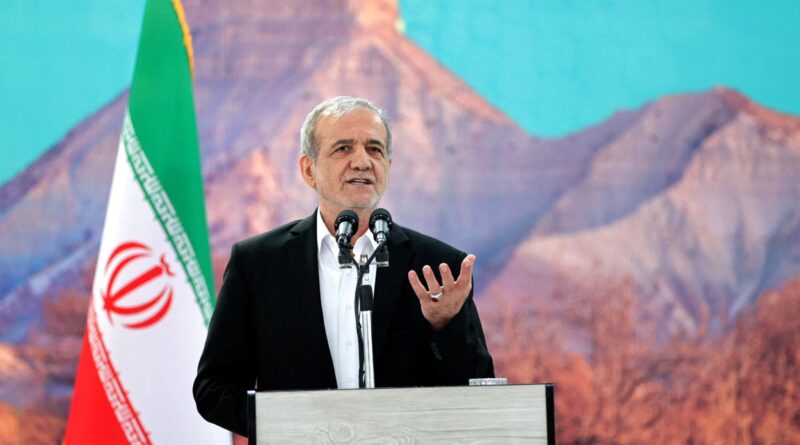
Following a period of intensified military tensions, Iran’s President, Masoud Pezeshkian, instructed the nation on July 3 to halt its collaboration with the International Atomic Energy Agency (IAEA). The decision arrived in the wake of a heavy onslaught on three pivotal nuclear sites within Iranian territory, resulting from the cooperative air assault by the United States and Israel. The ongoing conflict between Iran and the IAEA is expected to be complex and technically challenging, as highlighted by the Islamic Republic’s Ministry of Foreign Affairs prior to the nuclear authority’s visit.
Such a visit marks a significant event, considering that it is the inaugural visit from the nuclear watchdog following Iran’s termination of ties with the agency in the preceding month. Beforehand, a combination of Israel’s offensive and continued US airstrikes over a dozen days in June had led to tensions escalating between Iran and the IAEA. Essential nuclear infrastructure within Iran bore the brunt of the destructive air strikes.
On the heels of the depletion of Iranian nuclear resources, the IAEA board announced on the 12th of June that the Middle Eastern nation had failed to uphold its non-proliferation obligations. The announcement came just one day preceding Israel’s intensified airstrikes on the Iranian landscape, which sparked a large-scale conflict. However, the agency did not promptly release any response concerning the visit of its deputy leader, which notably omitted any scheduled visits to the damaged nuclear facilities scattered across Iran.
In a press briefing, Iranian Foreign Ministry spokesperson, Esmail Baghaei, speculated that a meeting between himself and Foreign Minister Abbas Aragchi could be on the horizon, but getting a prediction on the outcomes of any such talks was premature, deeming them as intricate and multifaceted dialogues. Baghaei showcased his unsatisfaction concerning the IAEA’s approach during the recent conflict, particularly in June when Israel was openly hostile.
He pointed out how a nation enduring persistent bombardment on their peaceful facilities, which were subjected to round-the-clock scrutiny, were still targeted. He bemoaned the agency’s reticence in displaying a rational response or issuing the necessary condemnation for such acts of aggression. Aragchi, on his part, had earlier opined that any forthcoming collaboration with the IAEA, which now hangs in the balance, subject to approval by Iran’s peak security entity, the Supreme National Security Council, should revolve around reshaping the methodology of their cooperation.
This could potentially enforce further restrictions on surveillance of the controversial program launched by Tehran, notably observed for its uranium enrichment activities nearing the brink of creating potential weapons-grade substance. With this development, President Pezeshkian ordered the nation to halt its cooperation with the IAEA on July 3 following another bout of assault from the US and Israel on major Iranian nuclear installations.
The aftermath of this increased warfare led to approximately 1,100 fatalities, a significant number of whom were military personnel. In response to these aggressive acts, Iran launched a retaliatory series of strikes, leading to the loss of 28 lives in Israel. For Iran, the history of IAEA inspections has been somewhat sporadic, more often resorting to limited participation as a strategic negotiating tactic against Western nations.
The trajectory of Iran’s discussions with Washington regarding a solution to their nuclear program remains uncertain at this point. In the past, the IAEA, along with US intelligence agencies, concluded that Iran’s structured nuclear arsenal program was last active in 2003. However, Tehran has been observed to enrich uranium up to 60%, which was noted as a minor, technical leap away from the arms-grade threshold of 90%.
This recent enrichment activity and its close proximity to weapon-grade levels of uranium, coupled with heightened tensions with international organizations like the IAEA, has led global observers to question the stability of Middle Eastern geopolitics. These increased uncertainties underline a need for constructive and conclusive dialogue between the key actors.
As Iran continues to forge its path amidst ongoing international tensions and internal challenges, it is increasingly critical to monitor its actions. Particularly direct negotiation dialogues between Iran and international authorities such as the IAEA. The future of Iran’s nuclear program is indeed a global concern that calls for serious attention.
Intensified global scrutiny coupled with the pressing obligation for Iran to resume talks with international regulators such as the IAEA and the government of United States will play a crucial role in determining the future of this conflicted situation. Correspondingly, diplomatic solutions may need to be thoroughly examined to defuse the rising tensions and avoid further conflicts.
Uranium enrichment, the key element in the construction of nuclear weapons, should be the biggest talking point in Iran’s future negotiations. Its cessation, coupled with open and comprehensive cooperation with international watchdogs, could pave the way to a peaceful resolution.
The Middle Eastern skirmishes, their implications on international relations, the role of key international entities, and the future actions of Iran in relation to its nuclear program – all of these aspects remain to be watched closely. As the geopolitical landscape continues to shift, seeking peaceful and lasting resolutions for complex international conflicts like these remains paramount.