
Mexican Drug Cartels Place $50K Bounties on Federal Agents in Chicago, DHS Confirms
Mexican drug cartels are reportedly placing cash bounties on federal immigration officers operating in Chicago, Homeland Security officials warned Tuesday, describing a growing and organized threat to law-enforcement personnel carrying out arrests and raids.
According to the Department of Homeland Security, intelligence indicates cartels are recruiting domestic extremist groups and local gangs to carry out doxxing, assaults, kidnappings — and even murders — of officers. The payments range from about $2,000 for doxxing an agent to $5,000–$10,000 for kidnapping or assault, with as much as $50,000 reportedly offered for the assassination of senior immigration officials.
“These criminal networks are not just resisting the rule of law, they are waging an organized campaign of terror against the brave men and women who protect our borders and communities,” Homeland Security Secretary Kristi Noem said in a statement. She added that agents face ambushes, drone surveillance, and death threats while enforcing federal immigration laws.
DHS officials say cartel-backed “spotters” have been positioned on rooftops in Chicago neighborhoods such as Pilsen and Little Village to monitor the movements of Immigration and Customs Enforcement and Border Patrol personnel during enforcement actions. The department also pointed to a recent arrest of an alleged Latin Kings leader accused of plotting a murder-for-hire scheme targeting a senior Border Patrol commander.
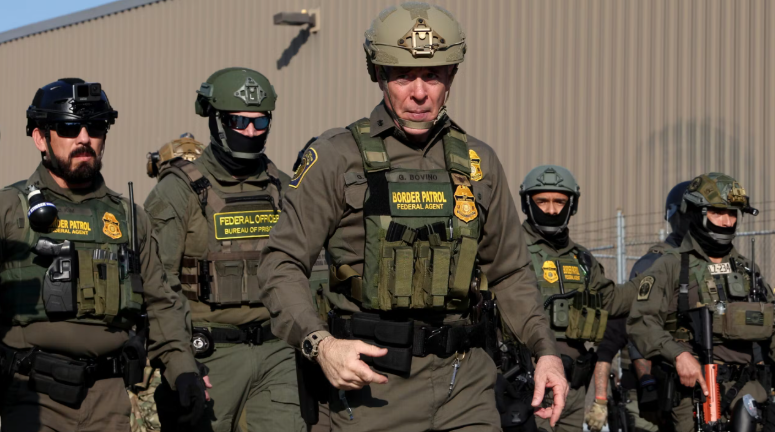
U.S. Border Patrol Commander Gregory Bovino described the situation as resembling a “war zone,” telling Fox News that such threats felt more like conditions in a failed state than in American cities. The Trump administration has sought to bolster federal presence in Illinois, proposing the deployment of hundreds of troops and the opening of additional ICE facilities in Chicago — steps the administration says are necessary to protect officers and stem cartel influence.
Those plans, however, have encountered legal obstacles. A federal judge has temporarily blocked aspects of the administration’s troop deployment amid a lawsuit filed by the State of Illinois. In the meantime, DHS officials said they are taking other steps to harden protections for federal personnel and to pursue those offering rewards for violence.
“No one who targets our officers and threatens our communities will be tolerated,” Noem said, urging local cooperation with federal authorities as investigations continue. The intelligence briefing underscores the heightened risks faced by immigration enforcement teams in some urban areas and the transnational reach of cartel operations.