
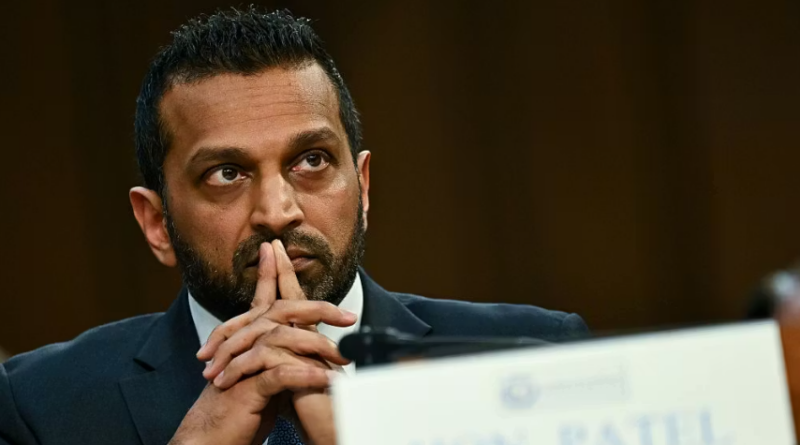
FBI Director Kash Patel Targeted In Iranian-Linked Email Hack
FBI Director Kash Patel’s personal email account was hacked in a cyberattack linked to an Iranian-backed group, with hundreds of documents and personal photos leaked online in what officials believe was a retaliatory strike.
The FBI confirmed the breach, stating that while Patel’s personal communications were accessed, no classified or government information was compromised. Officials emphasized that the material involved older correspondence, largely dating between 2010 and 2019, and did not impact national security systems.
The group believed to be responsible, known as the Handala Hack Team, has been previously linked to Iranian cyber operations and has made clear its intent to target high-profile figures in the United States and other Western countries. The group has publicly declared hostility toward what it calls “enemies of Islam in the West” and has carried out prior attacks on both government officials and private sector entities.
Hackers released roughly 300 documents along with multiple personal images from Patel’s account. Some of the leaked materials included casual photos and email exchanges, which appeared to be aimed more at embarrassment and intimidation than at exposing sensitive intelligence.
U.S. officials believe the attack was likely a direct response to recent action taken by the Department of Justice against the same network. Just days before the breach, federal authorities dismantled several websites operated by the Handala group that were being used to publish stolen data and issue threats, including calls for violence against journalists and dissidents.
Following that crackdown, Patel had publicly warned that U.S. law enforcement would aggressively pursue those behind cyberattacks and threats, signaling a more forceful posture against foreign-backed hacking operations. The timing of the breach, including reports that the domain used in the attack was registered the same day the DOJ action was announced, has reinforced suspicions of retaliation.
The FBI said it has taken immediate steps to contain any potential risks related to the breach and is continuing to investigate the full scope of the incident. Officials are also working to track those responsible, with a standing $10 million reward for information leading to the identification or disruption of the hacking group.
The incident underscores a broader and growing concern within the intelligence community: that foreign adversaries are increasingly targeting not just official government systems, but also the personal accounts of senior officials as a softer entry point for cyber operations.
Even when classified information is not directly accessed, such breaches can be used to gather personal insights, map networks of contacts, or conduct follow-on phishing and impersonation attacks. Experts warn that these tactics are becoming more common as cyber actors look for vulnerabilities outside hardened government infrastructure.
The attack on Patel serves as a reminder that cyber warfare is no longer confined to traditional battlefields or secure systems. It is personal, persistent, and evolving, with adversaries willing to exploit any available opening to send a message, apply pressure, or test the defenses of their targets.
As tensions between the United States and Iran remain elevated, officials say incidents like this are likely to continue, with cyber operations playing an increasingly central role in the broader geopolitical conflict.