
White House Ballroom Push Gains Steam After Shooting Shakes Washington
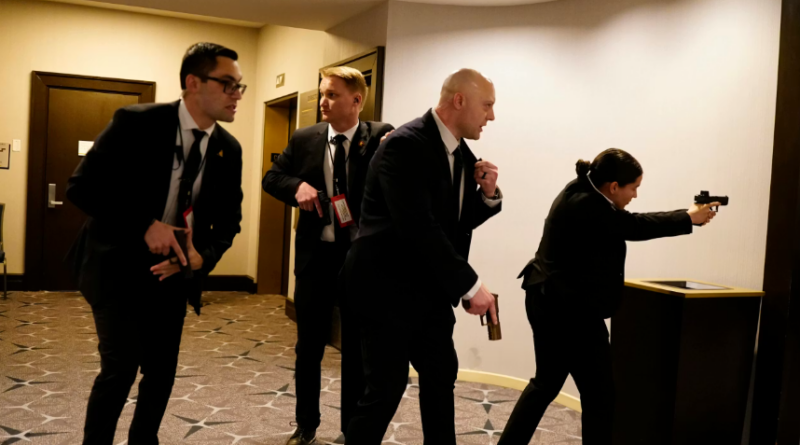
Republicans in Congress are ramping up efforts to fast-track approval for a new White House ballroom project after the shooting at the White House Correspondents’ Dinner heightened concerns about security at high-profile events.
Lawmakers argue the incident exposed vulnerabilities in hosting major gatherings outside the White House complex, particularly at venues like the Washington Hilton. The proposed ballroom, which would be privately funded and built near the East Wing, is now being framed as a long-term solution to ensure safer, more controlled environments for presidential events.
Sen. Tim Sheehy said he plans to push for unanimous consent in the Senate to grant explicit approval for construction, calling it unacceptable that the nation’s capital cannot safely host events involving the president. He pointed to the attempted attack as proof that stronger safeguards are needed.
Support for the project is not strictly partisan. Sen. John Fetterman has signaled openness to the idea following the weekend’s events, suggesting growing bipartisan interest as security concerns take center stage.
In the House, Rep. Randy Fine introduced the “Build the Ballroom Act,” which would provide clear statutory authority for the project. Other lawmakers, including Rep. Lauren Boebert, are also working on legislation to move the plan forward despite ongoing legal challenges.
The proposal has been tied up in court after a lawsuit from the National Trust for Historic Preservation, which argues that the project requires broader public input and careful consideration due to the historic nature of the White House grounds. A federal judge previously indicated that Congress may need to explicitly authorize the project for it to proceed.
Following the shooting, the U.S. Department of Justice urged the preservation group to drop its lawsuit, arguing that the urgency of improving presidential security outweighs procedural objections. Officials warned they would seek to dissolve the injunction if the case is not withdrawn.
Backers of the ballroom say it would allow future administrations, including that of President Donald Trump, to host large-scale events within a more secure perimeter, reducing reliance on outside venues.
Opponents maintain that even with security concerns, major structural changes to the White House complex should not bypass established review processes.
With political pressure building and legal battles ongoing, the future of the ballroom project is now tied not just to preservation debates, but to a broader national conversation about security, access, and how the presidency operates in an increasingly volatile environment.