
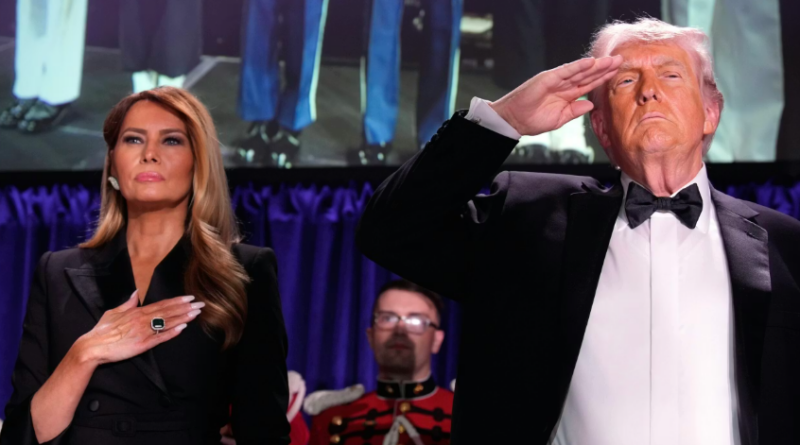
Melania Trump Slams Jimmy Kimmel Over Remarks After White House Dinner Shooting
First Lady Melania Trump is speaking out against late-night host Jimmy Kimmel following a controversial monologue that aired just days before the shooting at the White House Correspondents’ Dinner.
During an episode of Jimmy Kimmel Live!, Kimmel made remarks about the first lady that drew backlash after the weekend incident. In one segment, he joked about her appearance and marriage, including a line describing her as having “a glow like an expectant widow.”
The comments aired two days before a gunman breached a security checkpoint at the Washington Hilton, where the annual White House Correspondents’ Dinner was being held. The attacker, later identified as Cole Tomas Allen, opened fire before being subdued by Secret Service agents. No fatalities were reported, though at least one agent was struck and protected by body armor.
In a post on X, Melania Trump sharply criticized Kimmel’s remarks, calling them “hateful and violent rhetoric.” She argued that such commentary contributes to division and escalates tensions in an already volatile political climate.
She also took aim at ABC, the network that airs Kimmel’s show, suggesting it bears responsibility for allowing the segment to air. Her statement questioned how often the network would continue to support what she described as inappropriate behavior.
Kimmel’s monologue also included jokes about the Trumps’ relationship and references to how the first lady might spend her birthday. As of the latest updates, the clip remains publicly available online.
The broader reaction has highlighted ongoing debates about the tone of political humor in late-night television, especially as tensions rise around high-profile political events. Supporters of the first lady argue the timing of the remarks adds to concerns about rhetoric, while others point to the longstanding role of satire in political commentary.
The incident at the correspondents’ dinner, combined with the fallout from the monologue, has intensified scrutiny on both media figures and public discourse surrounding political leaders.