
Federal Judge Hands Trump Administration Major Immigration Victory Against Illinois
The Trump administration secured another courtroom victory on immigration after a federal judge ruled that Illinois cannot continue providing special college tuition and financial aid benefits to illegal immigrants that are unavailable to many American citizens from other states. The decision marks another win for the administration’s effort to challenge state laws that it argues give unlawful immigrants preferential treatment.
U.S. District Judge Stephen McGlynn ruled that key provisions of Illinois’ RISE Act and DREAM Act violate federal law by allowing illegal immigrants to qualify for in-state tuition, state financial aid, and scholarships while denying the same benefits to U.S. citizens who live outside Illinois. The judge agreed with the Justice Department’s argument that federal immigration law prohibits states from offering higher education benefits to illegal immigrants unless those same benefits are made available to all U.S. citizens, regardless of residency.
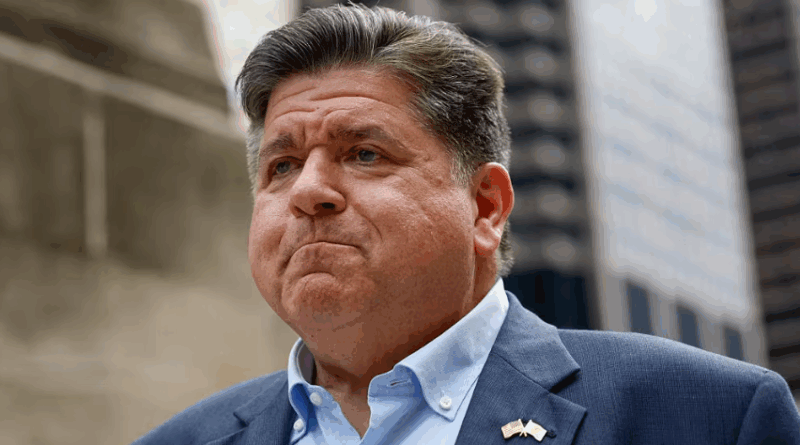
The ruling immediately blocks enforcement of the challenged provisions, although Illinois has been given 14 days to appeal the decision. Governor JB Pritzker’s administration had defended the laws as important tools for expanding educational opportunities, but the court concluded they conflict with federal law governing benefits for illegal immigrants.
The decision represents another legal success for President Trump’s immigration agenda. The Justice Department has recently won similar cases challenging comparable laws in Texas, Kentucky, Oklahoma, and Nebraska, while continuing to pursue additional lawsuits against other states with similar policies, including Colorado.
Supporters of the ruling praised it as a victory for taxpayers and American students, arguing that public education benefits should not be prioritized for those who are in the country illegally. The case is expected to continue if Illinois appeals, but the latest ruling strengthens the Trump administration’s broader effort to challenge state policies it believes conflict with federal immigration law.