
President Trump Backs Bill Essayli as Federal Courts Reject DOJ Effort to Challenge 20,000 California Voter Registrations
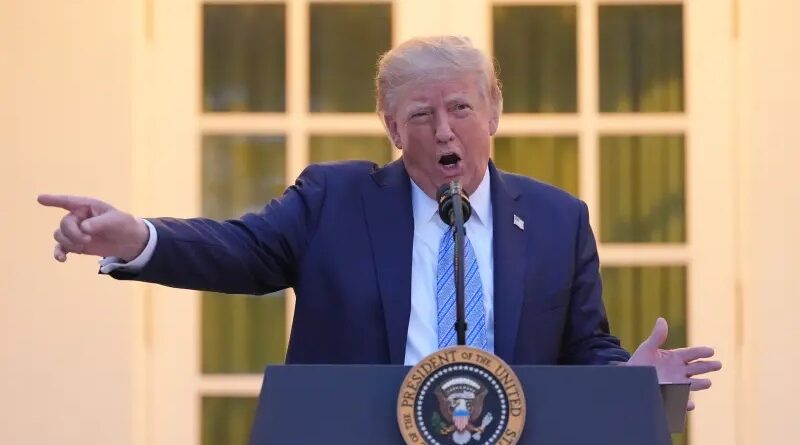
President Trump is standing behind federal prosecutor Bill Essayli as the Justice Department battles California election officials over approximately 20,000 voter registrations flagged for possible citizenship violations, escalating a legal dispute just days before the November 3 midterm elections.
The controversy intensified Friday when the Ninth Circuit Court of Appeals rejected the administration’s emergency request to require California officials to separate ballots associated with individuals federal investigators believe may not be American citizens.
The 2-1 decision marked another setback for the Justice Department’s attempt to prevent potentially ineligible votes from entering the election count before citizenship questions can be resolved.
Essayli, the first assistant U.S. attorney for California’s Central District, has been a prominent figure in the federal government’s efforts to investigate the disputed registrations and demand action from state election officials.
The administration maintains that federal law prohibits noncitizens from voting in congressional elections and that states have a responsibility to ensure only eligible voters participate.
California officials dispute the accuracy of the federal government’s findings, arguing that the list includes legitimate American voters and that emergency changes to election procedures could improperly prevent their ballots from being counted.
The Justice Department filed its lawsuit October 15 after federal investigators compared California voter registration information with immigration and citizenship records.
According to the department, the review identified more than 20,000 individuals whose records suggested they might not be United States citizens.
Federal officials asked California to identify ballots associated with those individuals and temporarily separate them while their citizenship status was verified.
The department emphasized that it was seeking to preserve the disputed ballots rather than automatically discard them.
California Secretary of State Shirley Weber and Los Angeles County election officials refused the request, questioning the reliability of the government’s data and the legality of its proposed intervention.
The dispute reached U.S. District Judge David O. Carter, who denied the Justice Department’s request for emergency relief Wednesday.
Carter concluded that the government had not demonstrated sufficient grounds to require California to change its election procedures immediately before the vote.
He also warned that separating ballots based on unverified allegations could interfere with lawful voting and disrupt election administration.
Federal prosecutors appealed, arguing that the failure to isolate potentially unlawful ballots could permanently dilute legitimate votes.
The Ninth Circuit rejected that request Friday, concluding that the government had not satisfied the legal requirements for an emergency injunction.
Judges Mark Bennett and Gabriel Sanchez formed the majority, while Judge Patrick Bumatay dissented.
The majority emphasized that California’s election process was already underway and that election officials could face substantial difficulties identifying and separating individual ballots once they had been processed.
Bumatay disagreed with the decision, expressing concern that refusing the requested safeguards could prevent federal authorities from effectively enforcing citizenship requirements.
The dispute highlights the legal distinction between investigating suspected noncitizen voting and compelling states to adopt new election procedures during an active election.
Federal law prohibits noncitizens from voting in federal elections, and individuals who knowingly violate that prohibition can face criminal penalties.
However, the government must establish an appropriate legal basis before requiring election officials to withhold ballots from individuals whose eligibility remains disputed.
The Justice Department has not publicly established that all 20,000 people on its list are noncitizens.
California officials and voting-rights organizations have challenged the list’s reliability, citing records that appear to identify American citizens as potentially ineligible voters.
Those concerns became particularly significant because California automatically mails ballots to registered voters, meaning the federal government’s request could affect individuals who had already submitted their ballots.
Essayli has maintained that federal authorities have an obligation to investigate potential violations before disputed ballots are included in election results.
He has also warned that election officials who knowingly process ballots cast by noncitizens could face legal consequences.
Those warnings prompted additional litigation from labor organizations representing election workers.
Late Friday, U.S. District Judge Trina Thompson issued a temporary restraining order restricting the Justice Department’s ability to threaten election workers with prosecution or demand that they stop processing disputed ballots.
The order followed arguments that federal enforcement warnings could pressure election workers to disregard established state procedures.
The Justice Department criticized the ruling and said it was reviewing its legal options.
The latest developments leave federal prosecutors confronting several overlapping court decisions as the midterm elections approach.
The administration continues to argue that verifying citizenship is necessary to protect the integrity of federal elections.
California officials maintain that eligibility questions must be addressed through established procedures that protect qualified voters from wrongful exclusion.
The disagreement has become a major legal confrontation involving federal authority, state election administration and the constitutional protections governing voting.
President Trump addressed the controversy directly in an October 31 Truth Social post, praising Essayli as “one of the best, EVER!” and criticizing the courts for rejecting the administration’s request. He claimed the investigation had uncovered 20,000 illegal votes and suggested the number could be substantially higher. Those figures remain allegations rather than verified totals of unlawfully cast ballots.
Trump also criticized the Senate’s blue-slip confirmation process, which has complicated Essayli’s appointment. A separate federal court ruling found that Essayli was unlawfully exercising the authority of a U.S. attorney, although the judge delayed the order while the government seeks further review.
The president concluded his message by pledging to continue pursuing election-integrity investigations despite the legal setbacks. With Election Day approaching, the administration’s efforts remain subject to court orders, and the disputed registrations have not been established as evidence of 20,000 illegal votes.