
Bernie Sanders Refuses to Back Chuck Schumer as Senate Democratic Leader, Demands Change After Midterm Elections
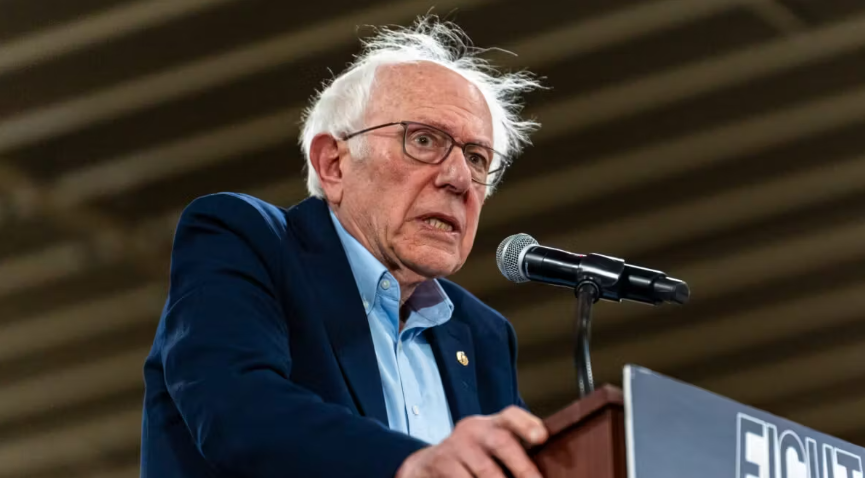
Sen. Bernie Sanders announced Tuesday that he will not support Chuck Schumer’s bid to remain Senate Democratic leader, exposing a growing divide within the party just days after Democrats secured control of Congress in the midterm elections.
The Vermont independent, who caucuses with Democrats, argued that the party needs new leadership and a different approach to governing rather than continuing under Schumer, who has led Senate Democrats since 2017.
“The time is now for change,” Sanders declared during a Capitol Hill news conference. He acknowledged knowing Schumer for more than 30 years and praised his work ethic but made clear that their longstanding relationship would not earn the New York Democrat his vote.
Sanders argued that the November 3 elections demonstrated widespread frustration with rising living costs, healthcare expenses, and housing affordability. He said Democrats must respond by pursuing a new economic agenda rather than maintaining their existing leadership structure.
Michigan Sen. Elissa Slotkin joined Sanders at the news conference, demanding that anyone seeking to lead Senate Democrats present a detailed governing strategy before receiving her support.
Slotkin said prospective leaders must explain how they intend to address economic concerns during their first 100 days in power. She emphasized that she was not actively seeking the leadership position herself.
The challenge comes despite Democrats winning enough Senate seats to reclaim the majority from Republicans. The party is expected to control at least 54 seats when the new Congress convenes in January.
Several incoming Democratic senators have also expressed reservations about Schumer’s continued leadership, creating an unusual internal dispute following a successful election cycle.
Maryland Sen. Chris Van Hollen has emerged as a possible alternative. Although he initially indicated that he would not pursue the position, Van Hollen has since acknowledged contacting colleagues and considering a leadership bid.
Van Hollen has argued that the leadership election should involve a genuine discussion rather than an automatic endorsement of Schumer. However, he has not formally announced his candidacy.
The dispute reflects disagreements within the Democratic Party over its political direction. Progressive lawmakers want greater emphasis on economic inequality and a more aggressive legislative agenda, while other Democrats have emphasized the importance of maintaining experienced leadership.
Schumer, 75, has shown no indication that he intends to withdraw from the contest.
“I’m confident I will be elected,” Schumer told reporters Tuesday, expressing optimism that Democratic senators would ultimately support his continued leadership.
The New York Democrat has pointed to the party’s midterm victories as evidence of the effectiveness of its electoral strategy. He helped recruit candidates who captured Republican-held Senate seats, including Sherrod Brown in Ohio and Roy Cooper in North Carolina.
Sen. Kirsten Gillibrand of New York publicly defended Schumer, crediting his work in building the Democratic campaign operation that helped the party regain control of the chamber.
Other Democratic senators have also expressed support for Schumer, arguing that the party should focus on governing rather than becoming divided over its leadership.
The disagreement comes as Democrats prepare to confront President Trump during the final two years of his second term. With control of both chambers of Congress, Democratic leaders will have greater authority over legislation, federal spending, and investigations involving the administration.
Sanders believes the party should use that opportunity to pursue a different economic direction and demonstrate that its election victories will produce meaningful changes.
The Senate Democratic leadership election is expected in the coming weeks, giving lawmakers time to consider whether Schumer should remain in charge or whether another senator should take his place.
For now, Sanders’ announcement represents a significant challenge to Schumer’s authority, demonstrating that even a major midterm victory has not ended disagreements over the Democratic Party’s future.