
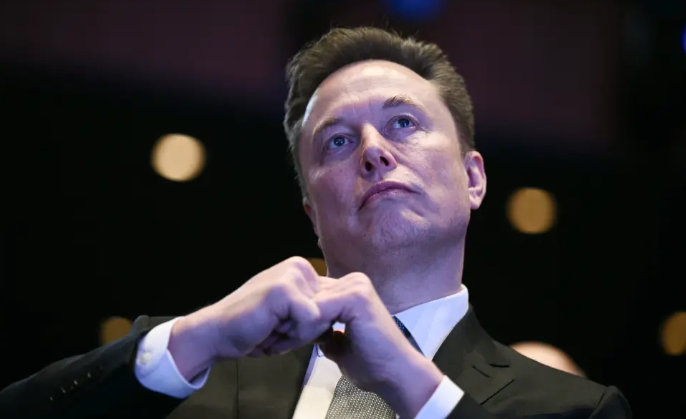
Elon Musk Regrets Spending Nearly $500 Million on Republicans After Midterm Election Defeats
Billionaire Elon Musk says he regrets spending nearly half a billion dollars supporting Republican candidates during the 2026 midterm elections after Democrats secured control of both chambers of Congress.
The Tesla and SpaceX CEO acknowledged his disappointment Wednesday during a virtual appearance at the New York Times DealBook Summit, admitting that his enormous political investment failed to produce the results he expected.
“I feel pretty foolish about having spent so much money and not seeing much for it,” Musk said.
Musk spent approximately $446 million backing Republican candidates during the election cycle, making him one of the largest political donors in American history. His financial support was particularly concentrated in Texas, where several of his major businesses operate.
Despite the spending, Republicans suffered significant defeats across the country. Democrats captured the House and Senate, while several high-profile Republican candidates lost races that had attracted substantial outside funding.
Texas delivered particularly disappointing results for Musk. Republican Attorney General Ken Paxton lost his Senate campaign to Democrat James Talarico, while Republican Governor Greg Abbott was defeated by Democrat Gina Hinojosa.
Musk acknowledged that Republican candidates might have performed even worse without his financial contributions. However, he said the election demonstrated that spending enormous amounts of money does not guarantee political success.
“If I could rewind the clock, I would have spent less money,” Musk admitted.
The billionaire also appeared to distance himself from President Trump’s Make America Great Again movement, describing his political views as moderate rather than strictly Republican.
“I’m not MAGA,” Musk said, explaining that he does not believe in automatically supporting every policy promoted by the Republican Party.
His remarks represent a notable shift from the 2024 presidential campaign, when Musk enthusiastically supported Trump and publicly described himself as “dark gothic MAGA.”
Musk played a prominent role in helping Trump return to the White House and later served in his administration through the Department of Government Efficiency, which focused on reducing federal spending and restructuring government operations.
Although Musk and Trump have experienced disagreements over federal policy, the billionaire continued investing heavily in Republican campaigns leading into the 2026 elections.
His latest comments suggest growing frustration with the effectiveness of political spending following an election that significantly altered the balance of power in Washington.
For Musk, the results have raised questions about whether contributing hundreds of millions of dollars to political campaigns is an effective way to influence American elections.