
AAF upholds Trump Era Tax Cuts, Rejects Millionaire Tax Hike
Advancing American Freedom (AAF), a notable conservative advocacy group initiated by former Vice President Mike Pence in 2021, has expressed a clear call to action to Republican representatives in the House. The group is steadfastly advising against tax hikes targeting the wealthiest individuals in the nation. This stance comes as the current administration puts forth a proposal for a millionaire tax increase which was originally designed to offset the elimination of taxes on overtime compensation, gratuities, and Social Security payments for retirees.
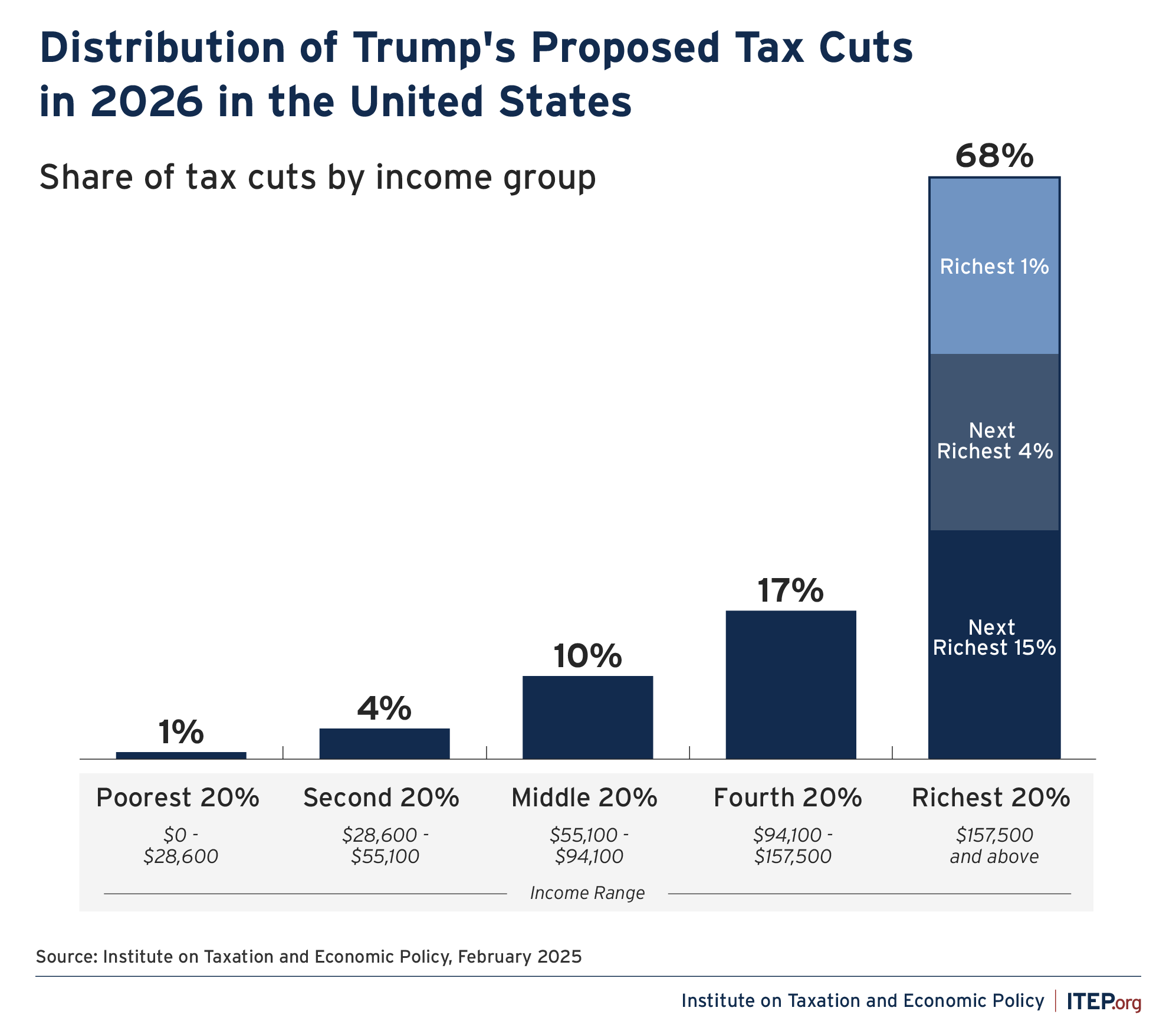
In a direct communique to Republicans in Congress, which included the Chairman of the House Ways and Means Committee, Rep. Jason Smith of Missouri, and the Chairman of the Senate Finance Committee, Sen. Mike Crapo of Idaho, the AAF encouraged a strong position against any increase in taxes. This seems to be a reiteration of the promise made by the Trump administration together with Republicans in Congress, to solidify the Tax Cuts and Jobs Act and to advance even more significant tax cuts.
AAF President Tim Chapman and Board Chairman Marc Short were precise and assertive in their written message. They argued that pulling out pages from Kamala Harris’s policy book, which they suggested had proven to be unsuccessful, was not the solution. The AAF leaders insisted that the American electorate had demonstrated their preference for tax cuts, and not tax hikes, through their votes.
The pair painted a vivid picture of a prosperous America that flourished under President Trump’s first term. They ascribed this success to broad tax cuts and called on Republicans to swiftly reestablish these conditions. Furthermore, they echoed the sentiment that this return to prosperity was a promise to the American people, a promise that was made to be kept.
This reaction from the AAF follows preliminary debates among White House staff around a proposition to increase the tax rate for those earnings exceeding $1 million to 40%. This proposal was designed as a counterbalance to the bold pledge of cutting taxes on overtime pay, tips, and Social Security for retirees in Trump’s dynamic 2024 campaign. However, the discussions remain in the preliminary stages and the proposed plan is one among many being evaluated.
Pence, ever a champion for the American family, along with other voices of fiscal prudence, holds a view that imposing a tax burden of even 10% would inevitably trigger a rise in inflation, resulting in adversity for American families. Pence is also a staunch advocate for a restrained role of government and has passionately recommended the legislative branch to reassume their authority over tariff regulations.
Regarding the 2024 presidential race, it would not be unusual for a former Vice President to endorse his party’s candidate. Nonetheless, it should be highlighted that each individual has the freedom and essentially the obligation to make the decision that aligns with their unique perspective and convictions. Pence, who briefly considered his own bid for the presidency in the upcoming election, eventually chose to step back.
The former Vice President has faced some opposition due to decisions he made in the aftermath of the events that took place at the U.S. Capitol on January 6, 2021. At that moment, Pence stated that former President Joe Biden won the 2020 election. This resulted in a certain distancing from his ex-chief, but such an instance showcases the independent decision-making within the party.
Pence’s campaign was ultimately short-lived but certainly left an imprint on the political landscape. His influence persists in the face of a surge in Republican Party popularity led by Trump. It is a fact of modern politics that voters have long memories; they will note both the highs and lows of a politician’s career and factor them into their future decisions.
Maintaining a platform rooted in traditional conservatism, Pence visualized the future of the Republican Party as a stand against a perceived rise in ‘populism’ within the party. While it may have not played out to his personal advantage in the end, his vision and passion must be acknowledged and appreciated.
His courage did not go unnoticed as it roused an acknowledgment from a small though noteworthy contingent within the Republican Party that held differing views on Trump. Such democratic exchanges of ideas are the bedrock of any thriving political party. Encouraging robust and diverse conversations within the party can only serve to strengthen and refine its message and appeal.