
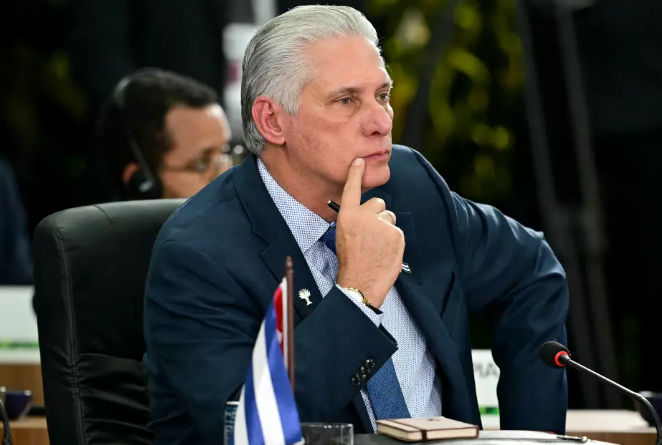
Cuba’s Leader Vows Defiance As Tensions With Trump Escalate
Cuban President Miguel Díaz-Canel warned that his country is preparing for the possibility of a U.S. attack, delivering a stark message as tensions with President Donald Trump continue to rise.
Speaking in a televised interview, Díaz-Canel said Cuba would defend itself at all costs if military action were taken against the island. He dismissed the idea that such an attack would be justified but made clear that his government is ready for a fight.
“If that happens, there will be fighting,” he said, adding that Cubans would resist even if it meant sacrificing their lives. He framed the situation as a matter of national sovereignty and survival, invoking the country’s revolutionary identity.
The escalating rhetoric comes as Cuba faces a worsening internal crisis. The island has been hit by widespread blackouts and growing food shortages, conditions that have intensified in recent months as U.S. pressure has mounted.
A key factor has been the disruption of oil supplies from Venezuela, a longtime ally. U.S. actions tied to regional operations have effectively cut off a major source of fuel, deepening Cuba’s already fragile energy situation.
Reports have indicated that the Trump administration has privately pushed for leadership change in Havana, but Díaz-Canel rejected any suggestion that he would step down. He insisted he has no fear and is willing to “give his life” for the country’s political system.
At the same time, prospects for a diplomatic resolution appear slim. Díaz-Canel described the chances of reaching a deal with the United States as “very difficult,” pointing to recent U.S. military actions abroad as evidence that Washington cannot be trusted in negotiations.
The U.S. has demanded sweeping changes from Cuba, including the release of political prisoners, the introduction of multi-party elections, and a free press. The Cuban government has refused, saying those issues are not open for negotiation.
Meanwhile, unrest has been growing inside the country. Protests tied to the economic and energy crisis have been met with a crackdown by authorities, adding internal pressure to an already volatile situation.
With both sides digging in and rhetoric intensifying, the standoff is becoming increasingly dangerous. Cuba is signaling it will not back down, while the United States continues to apply pressure, leaving the possibility of further escalation firmly on the table.