
Economic Ripple Effects: US Cargo Traffic Decline Hurts More Than It Saves
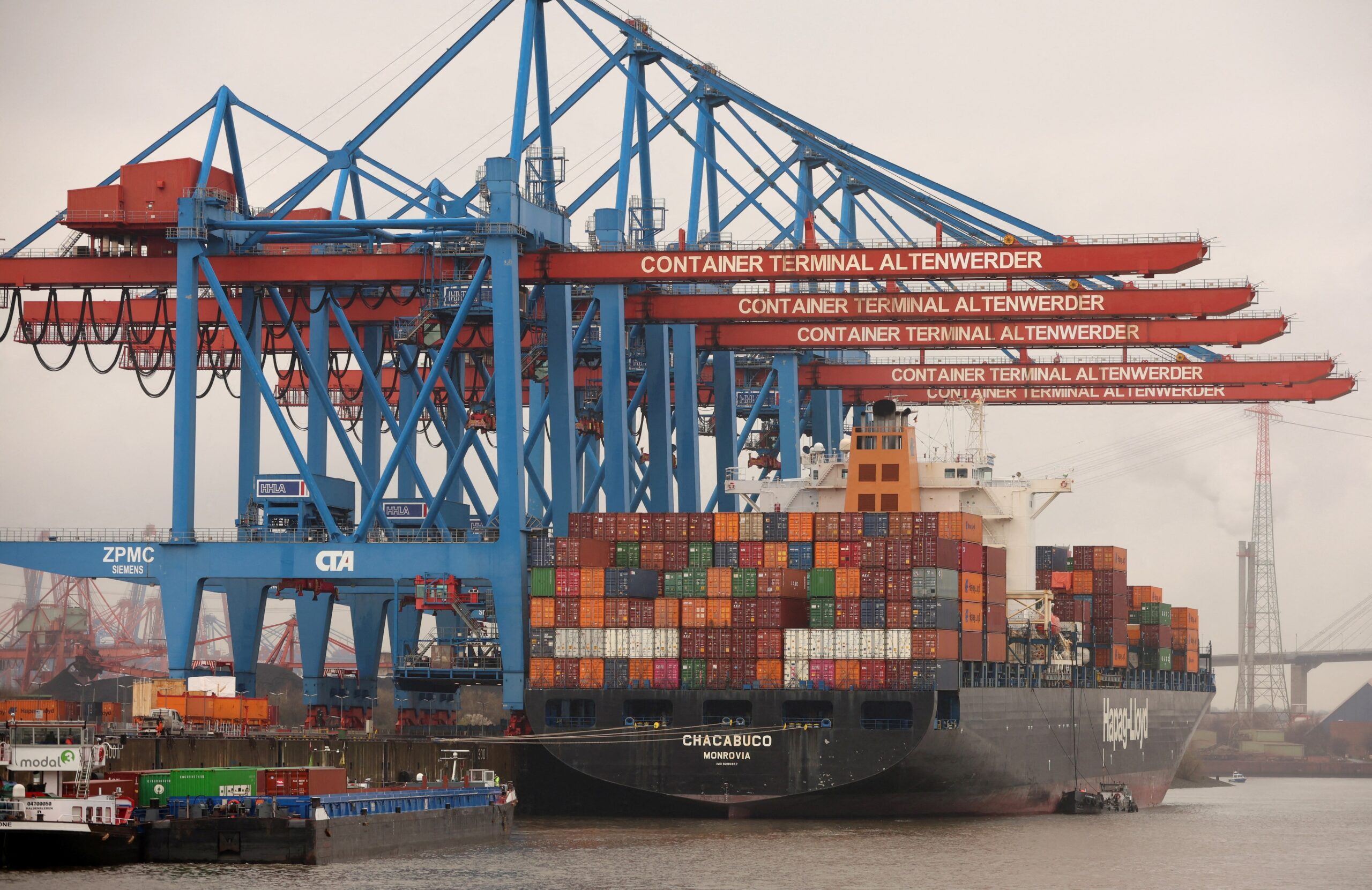
The current slump in cargo passage through United States ports doesn’t signify that fewer losses are being incurred, contrary to the President’s point of view. He remarked during a press conference on April 9, 2025, that the downward trend in cargo traffic is constructive. The reality however, as economists have highlighted, poses significant detriment to employees in the transportation sector, specifically those involved in port operations and warehousing.
In addition, a slowdown in port activity could lead to a derailing of the economy on a larger scale, chiefly instigated by the loss of jobs. When job opportunities in the port, transport and storage sectors decrease, this detrimental impact often ripples through the broader economic landscape. An equally worrying outcome of this situation could be potential shortages in consumer goods, an issue that economists also caution against.
Contrary to popular belief, a reduction in expenditure on imported goods doesn’t necessarily mean that the United States is cutting its losses. While it’s true that trade often means the exchange of goods for money, the narrative that purchasing items from abroad signifies financial loss is misleading. Economists argue that international trade has been critical in making consumer products more affordable. Moreover, if foreign imports are curtailed, consumer prices are likely to spike, along with the possibility of people buying less. This in turn could send shockwaves through the economy.
These issues found mention in a press interaction on May 8, where President Trump was asked about the noticeable decrease in cargo traffic at major U.S. ports. The implication for dockworkers and truck drivers due to this decline was a much-discussed concern. Port officials in California reported a whopping 35% decline in cargo with an unusually high rate of shipment cancellations.
The President, however, expressed his counter-intuitive viewpoint stating that a slowdown in cargo traffic could equate to the U.S. averting financial loss. A viewpoint that inadvertently overlooks the jobs at stake in various transportation and storage industries in the aftermath of lowered cargo shipments.
Diminishing cargo shipments would immediately impact occupations within ports, driving and warehouse-based roles. A specific study by an organization analyzing economic and transportation trends speculated a chilling forecast. They projected that even a 1% drop in cargo to Californian ports like Los Angeles and Long Beach could result in the loss of 2,769 jobs while jeopardizing an additional 4,000.
The ripple effects of these disruptions are palpably felt in the industry. During the height of the trade war with China, trucking service providers saw a significant dip in their operations. Various shipping lines had 34 sailings called off for the upcoming two months. In another unprecedented episode, the Port of Seattle experienced a day without any container ships docking, a first since the onset of the coronavirus pandemic.
The decline in available work for port and transport staff is likely to cascade into the wider economy. Vacant transportation networks stir layoffs, thereby prompting further income reductions, which sequentially reduce consumer spending, even on local goods.
Another concern to complicate the situation further is the prospect of a falloff in consumer goods availability if cargo volumes plunge. As the U.S. economy leans heavily on worldwide imports spanning almost every industry, a downturn in port traffic could lead to significant shortages. This could lead to dire consequences for small businesses which could face bankruptcy if they aren’t able to procure their necessary products.
A drastic shift in consumer spending can have a profound impact on an already sensitive U.S. economy. As economists have reiterated, the crucial role of seaports can’t be underestimated as they significantly contribute to the nation’s Gross Domestic Product. Thus, any disturbance in their functioning can have cascading consequences.
The entrenched belief that purchasing less from foreign nations equates to America ‘losing less money’ has been received with skepticism by economists. They counter this claim by stating that trade isn’t merely money ‘lost’, but rather a mutually advantageous transaction taking place between two entities. The goods and materials sourced from different nations often find usage in products manufactured or sold in the United States.
International trade has allowed countries globally to specialize in producing what they can do in the most cost-effective way, making economies more efficient. Thus, a slump in international trade could inadvertently lead to a dip in economic growth, as it acts as a catalyst for economic proficiency and influences industrial innovation.
In the end, it is important to acknowledge the fears echoed by economists, that a slowdown in port activity could lead to job losses for those working at ports and in associated sectors such as transportation and warehousing. Compounded by potential layoffs in other sectors affected by reduced consumer spending. Moreover, consumer goods could face severe shortages. The claim that less spending on imports leads to fewer losses for the U.S. is disputed by economists, stating that if trade is reduced, consumers may face higher prices, buy less, and send ripple effects through the entire economy.