
Examining the Mixed Reception of Soda Bans for SNAP Users
A broad consensus among nutritionists suggests that cutting down soda intake could significantly improve the health of the United States population. However, the proposal to prevent the users of Supplemental Nutrition Assistance Program (SNAP) from purchasing soda is receiving varied feedback. Health Secretary Robert F Kennedy Jr. is advocating for state authorities to consider this initiative, which would necessitate the intervention of the U.S. Department of Agriculture and possibly the approval of the Congress. However, even if such a restriction could be enacted, numerous food policy experts are dubious about its ability to enhance public health.
Joel Berg, the Chief Executive Officer of Hunger Free America, strongly supports the sentiment advocating for reduced soda consumption by Americans. It is without dispute that sugary beverages, including soda, represent the primary source of additional sugars in the American diet and contribute to health issues such as obesity and heart conditions. Despite his agreement with this issue, Berg expresses doubts about the effectiveness of soda bans as a method to promote healthier dietary habits.
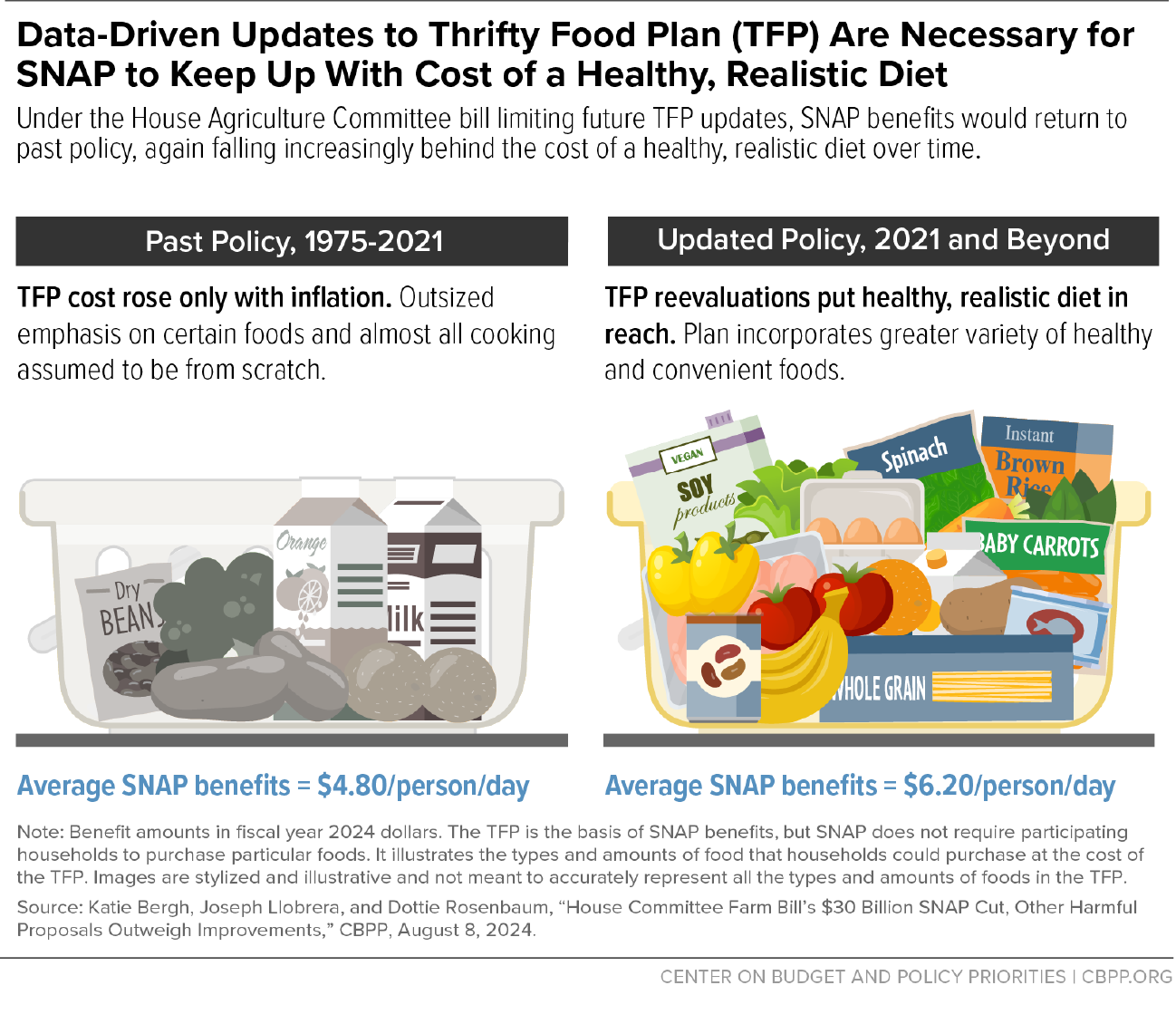
Berg proposes, “If we are genuinely concerned about enhancing public health, we should instead focus on making healthier food options more affordable, easily accessible, and convenient to use”. He boldly questions the proposed soda ban, instead vouching for more comprehensive solutions addressing healthier food affordability and availability as more meaningful steps towards enhancing public health.
Natalie Kiyah, a hardworking single mother of four living in Portland, Oregon, provides an example of how SNAP benefits are utilized by recipients. Over the past decade, Kiyah has sporadically benefitted from food assistance, and within this period, she admits to having used SNAP benefits to buy soda on occasion.
“I occasionally enjoy treating my children,” says Kiyah. “A fun pizza night is sometimes also soda night for us.” In Kiyah’s perspective, soda represents a modest but significant indulgence. Her sense of self-worth and dignity is reinforced by having choices – the ability to sometimes treat her children to soda does not only make her a better mother but also contributes to improved mental health.
Kiyah shares her experience, conveying how balancing financial commitments with a healthy lifestyle becomes a challenging task. Prioritizing healthy food and beverages often takes a backseat when faced with other impending financial responsibilities. In her opinion, enhancing SNAP benefits to incentivize fruit and vegetable purchases could possibly motivate the beneficiaries to adopt a more health benefits oriented diet.
The importance of establishing the right balance between preserving choice and nudging people towards healthier behaviors is emphasized by Dariush Mozaffarian, director of the Food as Medicine Institute at Tufts University. While convincing people, especially those who depend on federal assistance to avoid sugary foods and beverages may not be a wrong idea, he views incentives, both positive and negative, as integral to the success of such programs.
According to Mozaffarian, SNAP has successfully alleviated financial stress for many families; however, its efficacy in improving nutrition is questionable. He points out the paradox of SNAP being a ‘supplemental nutrition assistance program’ while the ‘nutrition’ aspect seems to be lacking in its implementation.
However, Berg brings the expanded child tax credit into focus as an innovative approach that has contributed to better nutrition. Based on a study conducted by his organization on the impact of the tax credit on purchasing choices, Berg reveals that low-income households could afford healthier food, and the diversity of food outlets had also widened. He cites, “The responses we received nationwide from low-income individuals showed increased purchases of healthier foods and expanded shopping at farmer’s markets.”
Interestingly, beverage industry spokespersons are echoing the thoughts of public health advocates. Meredith Potter, the senior vice president at America Beverage, sheds light on the domestic realities of most SNAP beneficiaries. “The principal demographic of SNAP recipients are those who are employed yet unable to make ends meet from month to month,” she highlights.
“Treating them as second-tier citizens would be an unfortunate outcome,” says Potter. A study suggests that the consumption of soda among those on SNAP benefits is on par with those not utilizing the benefit, Potter explains that this dispels the notion that only people on SNAP consume more soda.
Potter makes it clear that beverage companies are not indifferent to the health concerns regarding high sugar consumption. Acknowledging increasing consumer demand for lower-calorie options, she gives examples of the industry’s efforts. “Consider the recent surge in the production of different water varieties, including sparkling and flavored waters,” she notes.
Finally, Kiyah shares an important reminder for those in positions to make policy decisions. She insists that the struggles faced by families like her own extend beyond merely choosing healthier foods and beverages. Before considering a ban on soda, the broader challenges touching upon overall wellness and health should be considered.
In conclusion, a consensus on reducing soda consumption for better health exists, but the mechanism or approach to it isn’t universally agreed upon. While some propose outright bans, others suggest nuanced approaches focusing on better pricing, availability, and personal choice in food selection.
There’s no denying that well-meaning, wide-ranging health interventions can carry the risk of unintended consequences, and sometimes, reinforce stereotypes or inadvertently induce stigma. Therefore, policy-making must be conducted judiciously, keeping in mind the unique perspectives of end-users, and in alignment with broader health and wellness objectives.
Finally, in the push to enhance public health, it remains essential to consider a variety of voices from all corners of society. Not just nutritionists and public health advocates, but also the families who access these programs, industry stakeholders, and everyday consumers. As regulations continue to evolve, it becomes crucial to develop them with the overarching goal of supporting overall community health while preserving the dignity and choice of all individuals involved.