
Federal Forces Spark Resistance in Chicago: Politicians React
The decision to mobilise a significant number of federal agents has sparked an opposing response from urban administrators and protest groups. Mayors and governors alike are incensed at the presence of federal forces in Chicago, a spill over from similar incidents in other major cities across the United States. Sustained protests from local communities demonstrate a high level of disagreement with the decision.
The President, through the medium of his Truth Social platform, evoked a strong tone when addressing Chicago, hinting at the possibility of launching his so-called ‘Department of WAR’. His post, which incorporated an artificial intelligence-generated impression of him embodying a character from the iconic Vietnam War film ‘Apocalypse Now’, coincided with the enforcement of additional federal officers in Chicago.
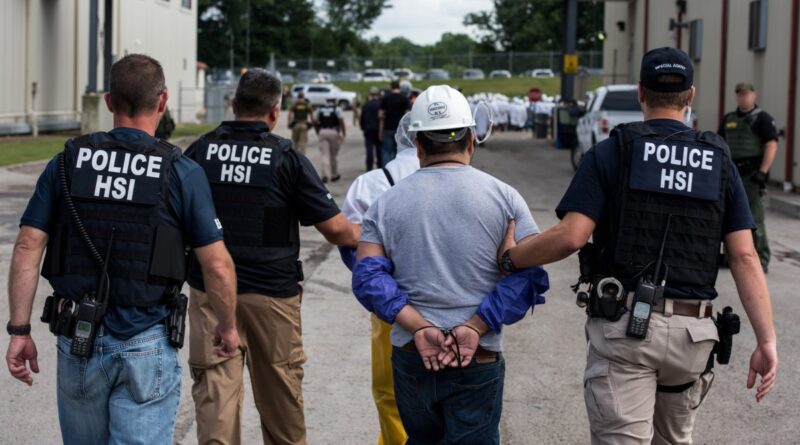
In a marked increase from regular enforcement, as many as 300 federal officers have now been moved to Chicago. Building on the infrastructure at the Great Lakes Naval Station, these forces are poised to extend the reach of immigration law enforcement. This event trails closely behind similar escalations in major cities such as Los Angeles and Washington, D.C.
Brandon Johnson, incumbent Mayor of Chicago, retaliated against the President’s push for tighter immigration control by employing an executive directive. This commanded administrative bodies within the city to actively oppose attempts from the President’s side to conduct immigration raids. This move effectively bars any involvement or cooperation from local law enforcement in federal civil enforcement activities.
In a similar vein, Governor JB Pritzker vehemently rejected the federal encroachment, labelling it not only as an unlawful act but also as an extension of federal tyranny over state affairs. He expressed firmly his stance on the matter, stating that such actions not only contradict democratic ideals but also inadvertently lead to the militarisation of civilian spaces.
The deployment has sparked a wave of social unrest, as evidenced by the swarm of protestors congregating at the Immigration and Customs Enforcement processing center, their numbers reaching an estimated 200 on Friday. This protest is indicative of a wider local sentiment of unease and resistance to current affairs.
Many officials with jurisdiction in Illinois perceive the decision to integrate federal agents into local law enforcement efforts as politically driven. It’s suggested that the President’s decision is more inspired by potential political gains rather than a genuine desire to tackle immigration issues.
As federal efforts persist, the friction between local enforcing bodies and federal regulators is quickly coming to a head. The situation is provoking several inquiries into the dynamics of power within US law enforcement. There are also questions on the extent of the President’s influence on domestic matters, especially contentious issues such as immigration.