
FEMA’s Unforgivable Delay: Tormenting Disaster Victims
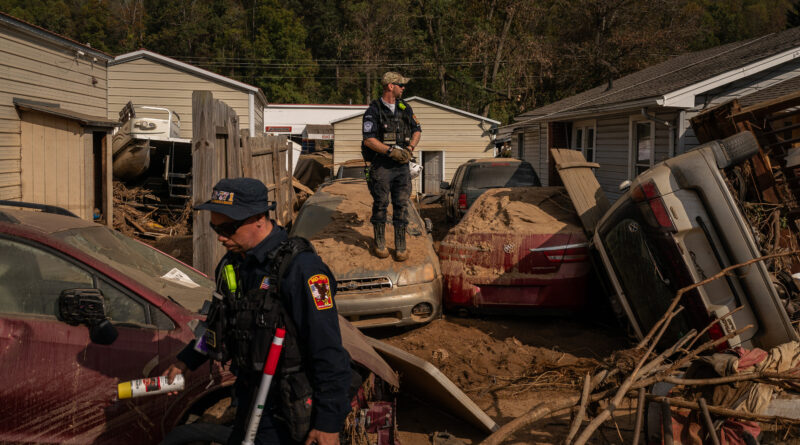
An ominous storm cast a shadow over Buddy Anthony’s recently-acquired residence, forcing him to take refuge in his Ford F-250 that was parked under a proximate carport. Almost instantly, a ruthless tornado devastated his single-story brick abode and partially lifted the truck airborne, resulting in significant damage. Miraculously, Anthony emerged from the ordeal unharmed; however, he had no choice but to switch his vehicle for a second-hand truck, which served as his temporary shelter while he anxiously awaited a significant disaster declaration that would open the floodgates to federal monetary aid intended for those grappling with loss. Regrettably, this proved to be a process of several agonizing weeks.
The unfortunate reality is that victims of disasters are being compelled to endure lengthier periods before the arrival of financial assistance from the federal government, as indicated by a recent analysis conducted on data spanning several decades. A governor’s appeal for a presidential disaster declaration, which took less than a fortnight to be granted in the 1990s and early 2000s, has alarmingly stretched to roughly three weeks during the last decade, irrespective of the political party in power. During the current term, the waiting period has jarringly increased to over a month on average.
The consequences of these extended waiting periods are far from trivial. The delays necessitate individuals to endure longer gaps before they can avail of federal aid to cover daily living expenses, temporary accommodation, and home repair costs. Furthermore, they lead to procrastination in disaster declarations, impeding the recovery initiatives of local authorities who are left in the lurch over whether they would receive federal reimbursement for debris clean-up and infrastructure rebuilding.
In times of disaster, the general American populace has a strong expectation of receiving aid from their government. Roughly three-fourths of all citizens look towards the U.S. government to play a substantial role in extending aid to communities and facilitating their rebuilding efforts post natural calamities.
The Federal Emergency Management Agency (FEMA) typically liaises with communities immediately following a disaster in order to coordinate the initial response. Despite this, direct payments to individuals, nonprofits, and local authorities must be held in abeyance until the incumbent president issues a major disaster declaration, which can only occur subsequent to receiving a request from a state, territory, or tribe.
Presidential disaster declarations are reserved solely for events that severe damage surpassing the recovery capabilities of local governments and states. The frequency and intensity of these disasters are escalating, a worrisome trend endorsed by climate change primarily driven by the combustion of fuel sources like oil, coal, and gas.
Those individuals whose residences have been battered by disasters may find temporary solace in shelters manned by churches or local nonprofits in the tumultuous aftermath. Alternatively, they may seek shelter with friends or relatives, or opt for hotel accommodation, assuming they can afford it. However, some tend to stick to their damaged homes despite safety concerns.
If these residences are not repaired systematically, there’s a high chance of mold growth, exacerbating the recovery obstacles. In the aftermath of the Tylertown tornado, faith-based groups administered food and applied tarps on houses, while local citizens partnered to clear fallen trees with power saws. The snail-paced arrival of federal aid may potentially hamper such local recovery efforts.
Contrary to individual assistance programs that offer immediate cash, FEMA’s public assistance programs only reimburse government entities post the payment of their bills, provided they have adhered strictly to the guidelines for recruitment and work documentation. Since this procedure could span months or even years, a delay in the presidential disaster declaration may not substantially impact the timing of the eventual reimbursement to local governments.
Nevertheless, the ripple effects of delayed approvals can still be felt in several ways. Unnecessary waiting periods can trigger feelings of uncertainty and prompt budget-minded local officials to either hold back or minimize their recovery efforts. The postponement of federal declarations may also cause local officials to make hard decisions on which repairs to prioritize, possibly leading them to address certain flood-damaged roads and culverts while other projects are put on the backburner.