
Iran Threatens Harsher Crackdown as Anti-Government Uprising Grows
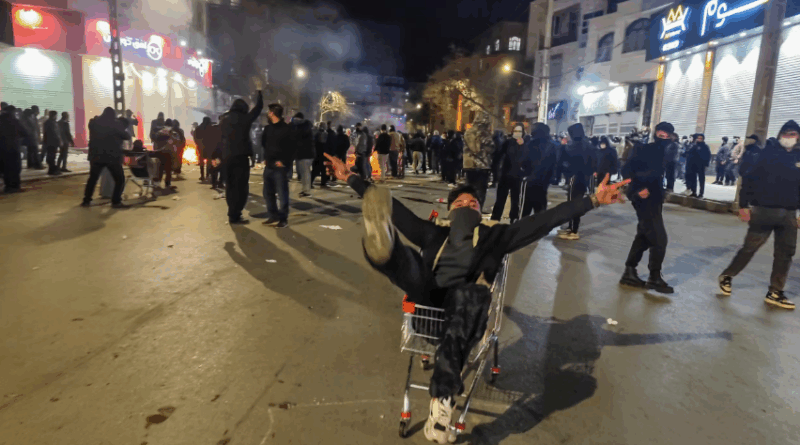
Iranian authorities are signaling a tougher response to the largest wave of anti-government unrest the country has seen in years. The Islamic Revolutionary Guard Corps is blaming “terrorist groups” for the chaos and vowing to defend the regime at any cost, even as protesters take to the streets in greater numbers.
The protests began over inflation and quickly evolved into a widespread revolt against the ruling clerics. Demonstrations have erupted in Tehran, Shiraz, Qom, Hamedan, and smaller towns across the country. But an internet blackout has made it difficult to verify the full scale of the uprising.
Reza Pahlavi, the exiled son of Iran’s last shah, has called for protesters to seize city centers. “Our goal is no longer merely to come into the streets,” he said in a video posted online. “The goal is to prepare to seize city centres and hold them.” He also said he is preparing to return to Iran.
President Trump, who last year ordered airstrikes on Iranian nuclear facilities, warned Tehran again this week. “You better not start shooting because we’ll start shooting too,” Trump said. “I hope the protesters in Iran are going to be safe, because that’s a very dangerous place right now.”
Iran’s rulers have faced protests in the past but never one this large and organized. Iranian rights groups say at least 50 protesters and 15 members of the security forces have been killed so far. Over 2,000 people have reportedly been arrested.
In Karaj, west of Tehran, protesters torched a government building. State media tried to label them “rioters,” but footage posted online showed ordinary citizens gathering in the streets and lighting fires as police retreated.
The IRGC said military and law enforcement bases have been attacked across the country and blamed “terrorists” for the growing instability. In a rare public statement, the group warned that defending the revolution and the clerical regime is a red line.
“We will protect and safeguard national interests, the country’s strategic infrastructure, and public property,” the regular army added in a separate statement.
One witness in western Iran said IRGC forces were opening fire on demonstrators. In Baharestan, near Tehran, over 100 people were arrested, with officials claiming they were armed.
The unrest has reached the highest levels of the regime. The son of Brigadier General Nourali Shoushtari was reportedly killed in the northeast. Other security officers were stabbed or killed in cities like Hamedan, Gachsaran, and Shushtar.
A doctor in the northwest described the carnage, saying at least 20 patients were admitted to a hospital with gunshot wounds—five of whom died. Others arrived with severe beatings, broken limbs, and head injuries.
While Iran’s leaders are accusing Trump and Israel of orchestrating the protests, the people on the ground appear motivated by a deep desire for change. In some cities, chants of “Long live the Shah” have returned, while others call for the outright collapse of clerical rule.
Ayatollah Khamenei is now lashing out, accusing protesters of being “mercenaries for foreigners.” But with each passing day, the movement only seems to grow.
Iran may be bracing for a crackdown. But from the streets of Tehran to the villages of Khuzestan, it’s clear the people aren’t backing down.