
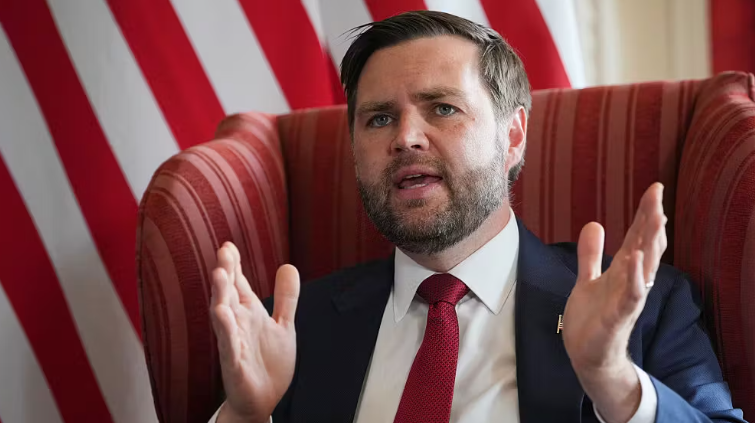
JD Vance Enters High-Stakes Peace Talks With Iran As Cease-Fire Hangs In Balance
Vice President JD Vance has stepped into a pivotal diplomatic role, leading U.S. efforts to negotiate a potential end to the ongoing conflict with Iran during high-stakes talks in Islamabad.
The negotiations, mediated by Pakistani officials, are taking place at the Serena Hotel and include senior U.S. representatives such as special envoy Steve Witkoff and Jared Kushner. On the Iranian side, the delegation is being led by Mohammad Bagher Ghalibaf.
Details surrounding the discussions remain tightly controlled due to security concerns, with officials offering limited insight into whether the talks are being conducted face-to-face. One U.S. official suggested that direct engagement may not be occurring in the same room, highlighting the sensitivity and complexity of the negotiations.
If confirmed, this would mark a rare moment in U.S.-Iran diplomacy. The two countries have not held direct, in-person discussions at this level since negotiations surrounding the Joint Comprehensive Plan of Action during the Obama administration. The U.S. later withdrew from that agreement in 2018 under President Donald Trump.
The current talks come as a fragile, Pakistan-brokered cease-fire remains in place, with both sides under pressure to reach a more permanent resolution. Pakistani Prime Minister Shehbaz Sharif met with Vance ahead of the negotiations, expressing hope that the discussions could lead to lasting peace in the region.
Major sticking points remain. Iranian officials have signaled that progress will depend on broader regional conditions, including a cease-fire involving Israeli operations in Lebanon and the release of frozen Iranian assets. Meanwhile, the U.S. continues to push for key objectives tied to security and stability, including reopening critical shipping lanes.
At the center of the dispute is the Strait of Hormuz, a vital global energy corridor that has become a major flashpoint during the conflict. Control and access to the waterway remain a key bargaining chip in negotiations, with both sides refusing to concede ground easily.
President Donald Trump has been closely monitoring the talks, publicly signaling skepticism about Iran’s position while expressing confidence in the U.S. negotiating team. His administration views the current moment as a potential turning point after weeks of military escalation.
With tensions still high and demands on both sides largely unchanged, the outcome of these talks remains uncertain. However, the presence of top-level officials and international mediation underscores the stakes, as both nations weigh whether diplomacy can succeed where military pressure has dominated.