
President Trump’s Maximalist Approach Evident in U.S. Trade Affairs
For several weeks, there was a prevailing narrative of antagonism and escalation, exuding from President Trump’s quarters. Nevertheless, a shift suddenly became apparent. Once, twice, and again, he surprisingly capitulated. His adversaries began decoding Trump’s negotiation tactics outlined by him as ‘maximalist,’ involving an enormous claim, crisis creation, and triggering high-stakes negotiation. Yet, more and more frequently, he was found retreating and concurrently proclaiming triumph.
However, in actual existence, since taking over the reins at the White House, President Trump hasn’t been able to secure anything significantly close to a victory in trade affairs. The utmost he had achieved can be described as avert of what would have been potentially higher defeats had he not relented. For instance, his decision of the previous month to decrease tariffs across all nations (China being the sole exception) to 10% to pave the way for diplomatic discussions was indeed a ‘setback’. Prior to this, the tariffs oscillated between 39% for European Union goods and almost 100% for Southeast Asian goods.
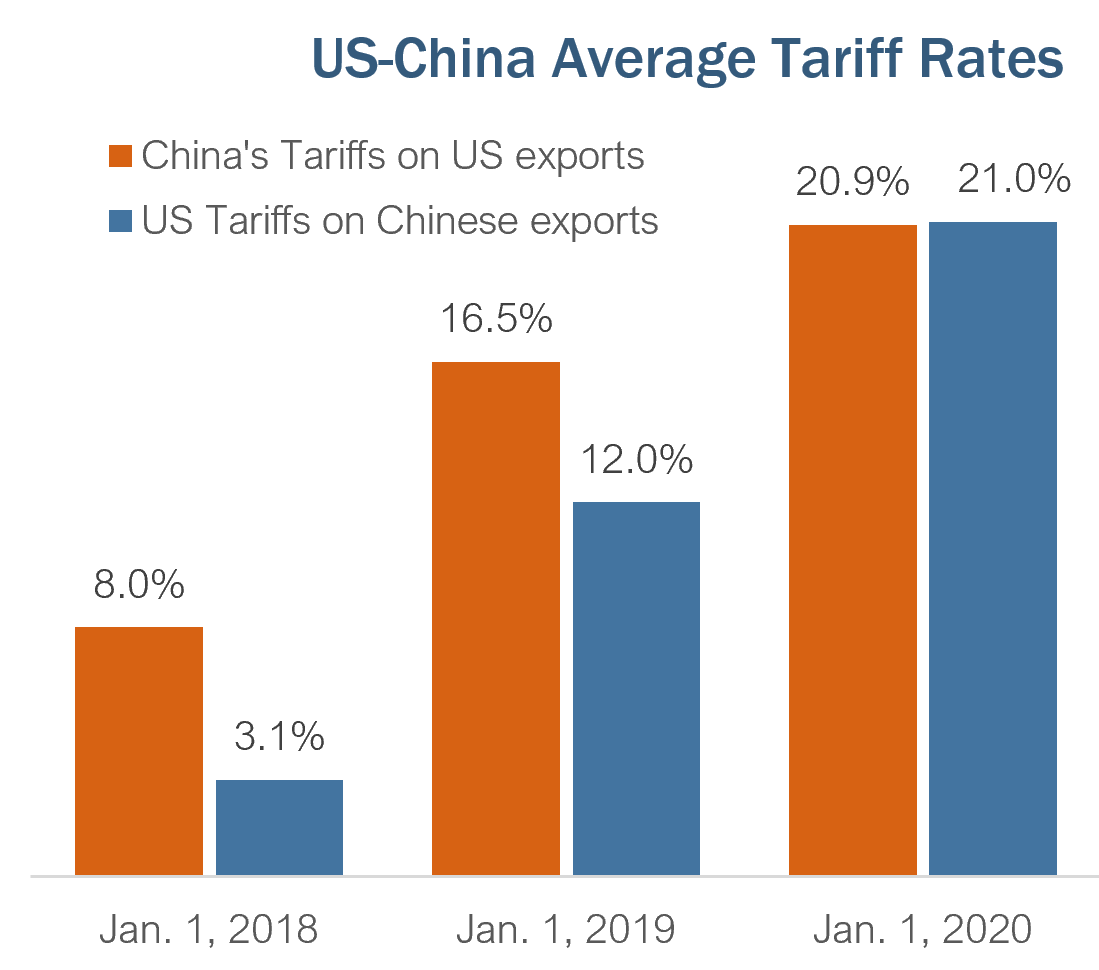
Through his step back, Trump ensured that the American dollar’s ‘safe-haven currency’ status remained only under a threat and was not entirely stripped off. However, setback is the only term that encapsulates President Trump’s trade pact with China. The situation mirrored a similar setback when Trump chose to bring down the tariff on China from a staggering 145% to a mere 30%. This decision exposed the realization that Trump had initiated a trade war, where China was in a far superior strategic position to claim victory.
China had already started rerouting its exports to other nations and has a multitude of alternatives apart from the United States for sourcing goods it usually procures from America. Hence, even though these commercial defeats are publicised as victories by conservative media houses, the actual scenario remains the subject of debate. The future holds the answer to whether the American citizenry will still repose faith in Trump’s claims, or trust their ‘personal experiences’ when the economy re-enters a phase of stagflation.
Corporations have started issuing warnings about potential price hikes for consumers, triggered by these tariffs. Mattel, Chlorox, and Denny’s have recently announced a decrease in sales as buyers cut down on purchases in anticipation of inflated prices. The challenge ahead for the Federal Reserve is reminiscent of the predicament it found itself in during the late 1970s and early 1980s. If they decide on reducing interest rates to diminish the chances of a national recession, they run the risk of fueling run-away inflation.
During his initial term in office, President Trump held the COVID-19 pandemic responsible for the economic devastation. However, this time, if a similar situation arises, it will be difficult for him to assign the blame elsewhere as he will be solely accountable.