
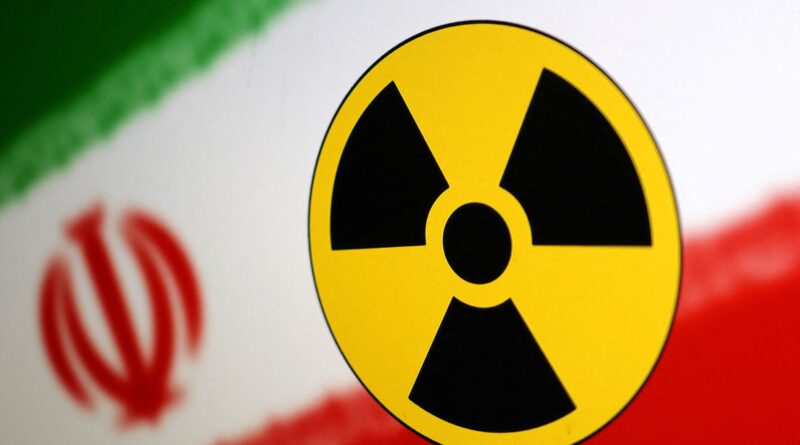
Tensions Rise in Middle East as Sanctions on Iran Loom
On September 22, the leader of the United Nations’ nuclear oversight body conveyed the challenging state of diplomatic negotiations aimed to defuse the Iran nuclear program issue. The reality of the current situation remains strenuous, as he described the state of affairs. Notwithstanding, dialogues are scheduled among concerned bodies in New York in an attempt to absolve the situation.
A United Nations Security Council resolution that would have obstructed the reapplication of sanctions on Iran relating to its nuclear ambitions met its demise on September 19. This loss came after numerous weeks of diplomatic negotiations seemed to inadequately progress, adding uncertainty just days prior to the annual United Nations global leaders’ assembly.
The resolution, which did not gather the necessary backing to prevent the string of sanctions from activating at the month’s end, was part of Iran’s 2015 nuclear agreement with world powers. Only a quartet of countries, China, Russia, Pakistan, and Algeria, endorsed the initiative. Some used the assembly as an opportunity to condemn European leaders for what they deemed as an unfounded reprisal against Iran.
The penalties being reactivated include a standard arms embargo, limitations on the development of ballistic missiles, asset freezing, travel inhibitions, and a prohibition on creating nuclear-related technologies. Iran is already grappling with issues such as an ongoing conflict with Israel and a financial predicament, which makes the circumstance even more complex.
The course of Iran’s reaction remains uncertain. In the past, the nation’s officials have insinuated the possible withdrawal from the Nuclear Nonproliferation Treaty. The Iranian Foreign Ministry, in a statement issued last Friday, stated its dedication to protecting its interests and rights, warning that it reserves the prerogative to react fittingly to any unlawful conduct.
Before the voting took place, Russia’s ambassador to the UN accused the Europeans of exploiting the council for their ‘underhanded game-play.’ The representative from China echoed this sentiment, claiming that with ‘one swift move,’ the council has managed to cease years of diplomatic exchanges.
The ambassador from Iran expressed his appreciation to the four countries that voted against the sanctions – praising their choice to reject ‘the blunt tool of force and bullying.’ He embellished their decision, suggesting that, ‘They have opted to align themselves with the correct side of history.’
However, last Friday, the U.K. hinted that this unsuccessful vote does not impede future efforts to prevent the sanctions. ‘The United Kingdom is steadfast in its commitment to a diplomatic resolution,’ opined the British representative to the U.N., while adding, ‘We stand prepared for continuing diplomatic dialogues in the forthcoming week and beyond in an attempt to settle our differences.’
In recent weeks, diplomatic activities between Iran and the European countries have been heightened, yet the situation remains unresolved. On being asked in a recent interview whether the snapback of sanctions was inevitable, the French President opined, ‘I believe so, as the recent updates from Iran do not seem promising.’
On Wednesday, leaders from Germany and the European Union cautioned Iran that it still needed to undertake necessary actions to prevent the reimposition of sanctions. ‘The opportunity for finding a diplomatic solution to Iran’s nuclear issues is swiftly ecliptical,’ commented the EU’s senior diplomat, adding urgency to the situation.
France, the U.K., and Germany have demands that Iran needs to meet and demonstrate comprehensive collaboration with the International Atomic Energy Agency. This also includes permitting inspections of all nuclear locations without hesitation. The European countries’ plea for Iran’s cooperation is critical and timely for defusing the situation.
Hours after the EU’s statement, Iran’s Foreign Minister reiterated that reimposing U.N. sanctions lacks both legal and rational justification. Iran maintains its stance, further complicating the diplomatic efforts to resolve the nuclear issues and halt sanctions.
The previous month saw conflict escalate into warfare as both countries attacked Iranian nuclear facilities. This aggression has thrown into doubt the status of Iran’s uranium reserves, which are known to be enriched closely to the level adequate for weapon manufacturing.
As the diplomatic landscape appears grim, all parties involved anticipate Iran’s next move with great apprehension. The coming weeks are pivotal and could shape the direction of not only Iranian diplomacy but also the broader Middle East.