
The Unseen Impact of Trump’s Policies on his voter Base
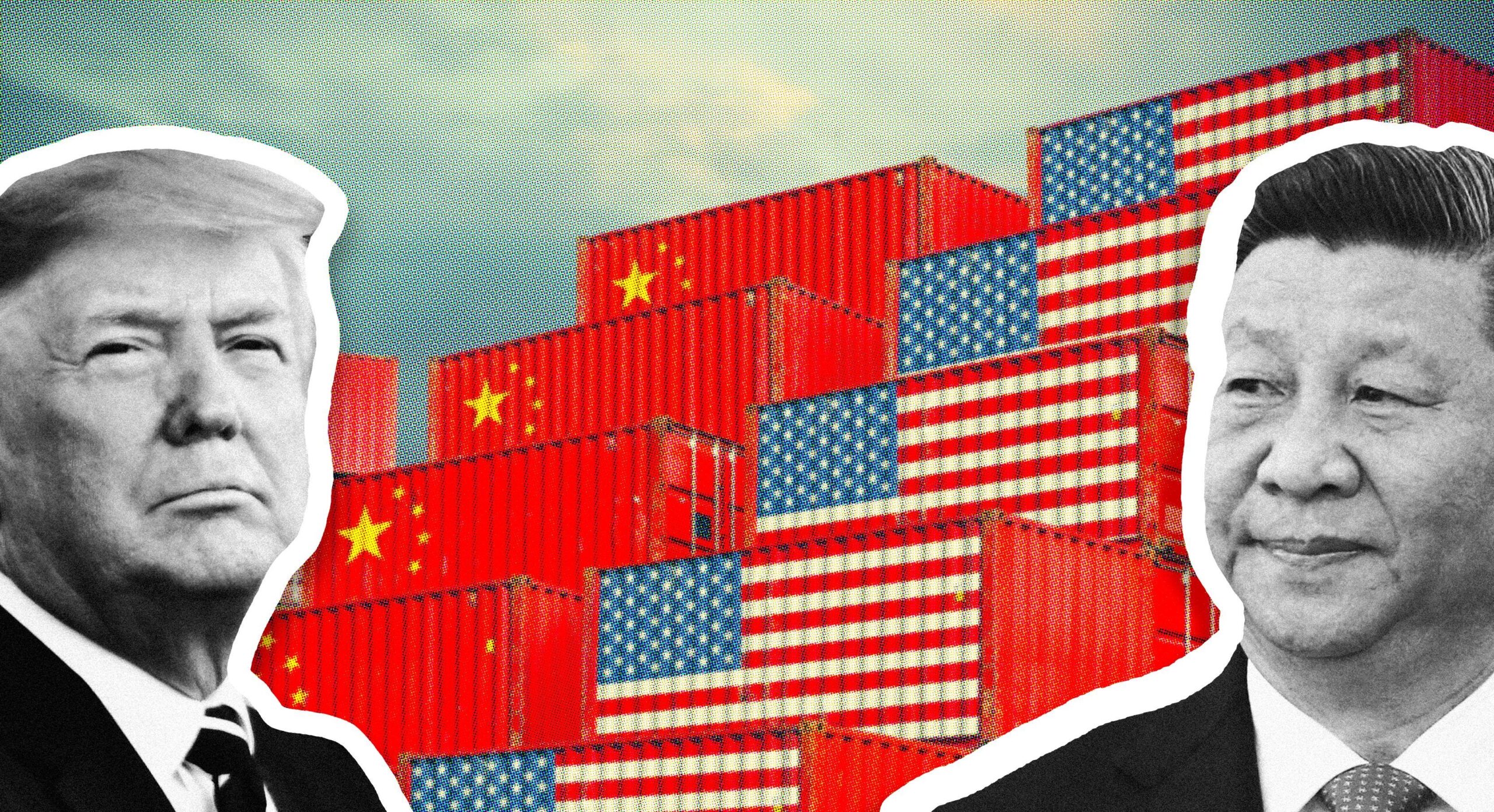
It’s progressively becoming evident that the strategies undertaken by former President Donald Trump are detrimentally impacting his voter base from multiple angles. The decision to instigate a trade conflict with Canada, a long-standing ally, is a potential threat to economically vulnerable citizens, many of whom are Trump supporters. Meanwhile, the tariff impositions don’t show signs of easing anytime soon.
Alongside these trade tensions, it’s becoming undeniably apparent how Trump’s extensive budget bill is disproportionately affecting those who supported him. In a rare admission, Trump recognized that his aggressive deportation stances are injuring farming communities, a critical segment of the GOP base, and are detrimental to the economy overall.
Numerous attempts at quantifying the fallout of these policies have been made. The budget bill in question is unprecedented in its upending of income distribution dynamics, channeling wealth from the bottom-most strata to the very top in an extremely aggressive fashion. Essentially, it’s a redistribution model akin to ‘reverse Robin Hood’ on an amplified scale.
Another point worth noting: popular discourse often insists that Republicans wouldn’t dare to raise taxes. After all, they have committed to keeping taxes low and have indeed implemented tax cuts broadly. However, an examination of the practice rather than the promise paints a different picture. Surprise, surprise, they’ve essentially raised taxes through the backdoor via import tariffs.
The imposition of these tariffs disproportionately burdens the most vulnerable. When Trump commences speaking of ‘hereby’ actions, one can prepare for troubled times ahead. The intended imposition of new tariffs on Canada is of serious concern.
But what does an escalated trade conflict with Canada imply for us? Canada is a key provider of crude oil to the U.S. Midwest, accounting for the entirety of its imported supply. In addition to hurting employment rates, these measures will inevitably stimulate inflation, particularly impacting the midwestern region.
Tariffs, essentially import taxes, are inherently regressive. They impose a most severe burden on individuals in the lower income categories. The effects of these increased costs will inevitably trickle down to the consumers in the form of higher prices for their regular purchases, resulting in an even more strained spending environment for those already struggling.
Items ranging from energy to products dependent on energy inputs, such as plastic goods commonly found on the shelves of stores like Target or Walmart, will all experience price climbs. These impacts will chiefly hit middle and low-income individuals, many of whom, particularly in this region, cast their votes for Trump.
The broad implementation of these tariffs challenges the very promise Trump made as a candidate: to reduce costs, lower interest rates, and make housing more affordable. In a rather odd turn of events, Trump conceded that his aggressive deportation policies are causing damage to the economy and to farmers — a core support base.
Indeed, he agreed that migrant workers contribute significantly to the agricultural and hospitality sectors, and when dismissed, aren’t readily replaced by American workers. This concession undercuts one of Trump and MAGA’s primary arguments: that American workers lose out whenever migrant workers gain.
Yet despite recognising this, efforts to increase migrant worker deportations continue to rise, affecting all regions — coastal areas and heartland communities reliant on agriculture alike.
Summarizing, three significant policies have emerged as potentially damaging to working-class individuals: the relentless imposition of tariffs, the acceleration of a potential trade war with Canada, and mass deportations — an issue Trump himself confesses is destabilizing farming regions. Additionally, the extensive budget plan undercuts welfare systems for working-class individuals.
A study conducted by the Budget Lab, a prominent think tank, investigated the combined impact of tariffs and service cuts. They even factored in any potential tax benefits from both the larger budget bill and the tariffs. Their findings were unsettling — household incomes up to the 80th percentile are projected to see a drop.
The compounded consequences of the tariff policy and budget bill will, according to their analysis, leave 80 percent of households at a financial disadvantage. The once robust economy, bequeathed to this administration, is now being undercut, with at least 80 percent of households witnessing a decrease in income. This is the stark inverse of what millions envisioned when casting their votes — a harsh reality for many.