
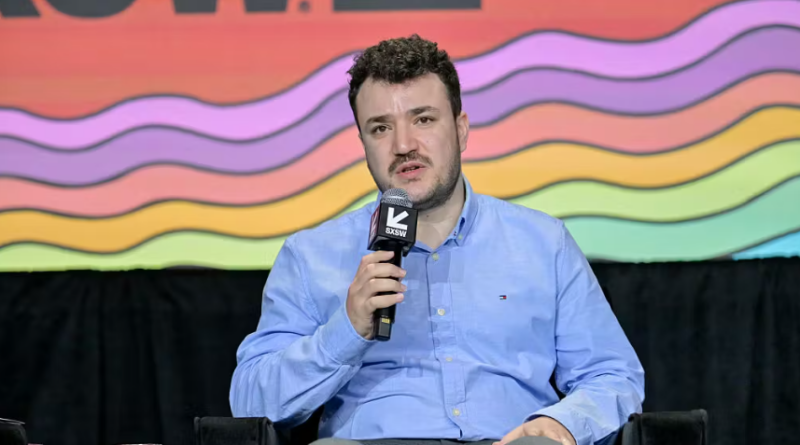
Trump Administration Moves Closer To Deporting Mahmoud Khalil After Appeals Ruling
The Trump administration has taken a significant step toward deporting Mahmoud Khalil after an immigration appeals board issued a final order of removal, rejecting his effort to have the case dismissed.
Khalil, who has been at the center of a high-profile legal and political battle, responded by calling the decision “biased and politically motivated.” His legal team confirmed that while the ruling marks a major development, the case is far from over. He is still pursuing a separate challenge in federal court, meaning he cannot yet be detained or deported.
The case stems from Khalil’s role in organizing anti-Israel protests at Columbia University in early 2025. Federal authorities, including U.S. Immigration and Customs Enforcement, arrested him in March of that year, citing concerns about his alleged connections and activities.
At the time, the Department of Homeland Security said Khalil’s actions were “aligned to Hamas,” a claim that became central to the government’s case. Khalil has strongly denied any wrongdoing, insisting that his activism is protected speech.
“I have committed no crime. I have broken no law,” Khalil said, arguing that he is being targeted solely for his political views. He framed the deportation effort as retaliation for speaking out on the Israel-Palestine conflict.
Secretary of State Marco Rubio has taken a hard line on cases like Khalil’s, stating that individuals whose presence undermines U.S. foreign policy interests could face removal. Rubio has also pledged to revoke visas or green cards from individuals deemed to support Hamas.
Despite the appeals board’s decision, a federal judge in New Jersey previously ordered Khalil’s release from ICE custody, adding another layer of complexity to the case. His attorneys argue that the immigration ruling conflicts with that order and lacks sufficient legal basis.
Khalil’s lead attorney, Marc Van Der Hout, sharply criticized the decision, saying it reflects broader concerns about political influence over immigration courts. He argued that federal courts have already indicated Khalil may have been targeted for his speech and vowed to continue fighting the case.
The situation highlights the broader clash between national security concerns and First Amendment protections, particularly when it comes to non-citizens. Immigration proceedings operate under a different legal framework than criminal cases, giving the government wider discretion in determining who can remain in the country.
With legal challenges still ongoing, Khalil’s fate now hinges on the outcome of federal court proceedings. The case is expected to remain a flashpoint in the debate over immigration enforcement, free speech, and U.S. foreign policy.