
Trump Administrations Stands for Joint Global Responsibility
It’s no question that the Trump administration holds a firm stance on Europe’s role in the geopolitical landscape. Through various interactions, they’ve expressed a determined belief in Europe’s potential to do more. Notably, this conviction was noted in a conversation among key Trump administration officials, extracted from the messaging platform, Signal.
This vital conversation offers a glimpse into the substantive dialogues within the Trump administration. The interaction centered on the strategic planning of a critical action in Yemen, and it showcased the administration’s resolve for equitable international cooperation.
Understanding the wider global benefits of critical military operations, Vice President JD Vance voiced his thoughts. He underscored that such initiatives could serve Europe more than they would the U.S. His resolute stance stimulated thought-provoking discussions about the importance of shared global responsibility.
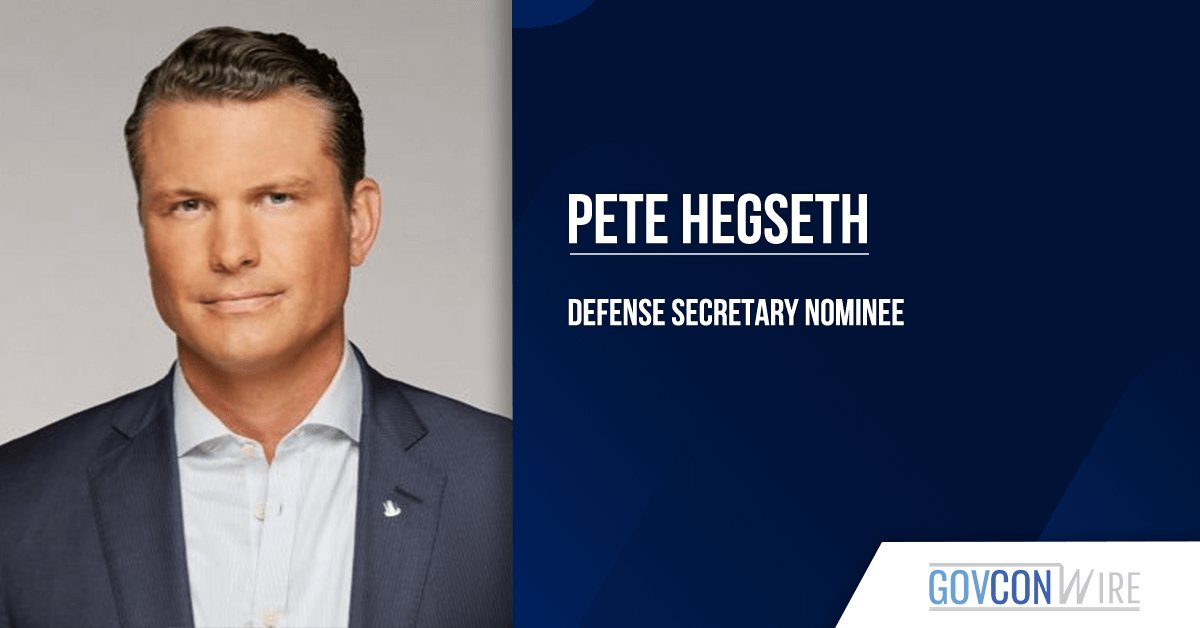
Echoing Vance’s statement, Defense Secretary Pete Hegseth shared in the sentiment. He highlighted the administration’s desire for a more equitable approach to international operations. He passionately expressed this sentiment with the word ‘PATHETIC’, as if to underscore the urgency of the situation.
These energetic dialogues reveal the Trump administration’s robust commitment to accountability. They believe that European nations, as beneficiaries of American military efforts, should contribute more substantially to the costs and responsibilities of such actions.
The sentiment reflected in these exchanges is not unjustified resentment, but rather a desire for fair play. The administration’s viewpoint hinges on the understanding that the burden of maintaining global security should be shared equitably among all benefiting nations.
An individual, known only as ‘SM’, believed to be a high-ranking aide to President Trump, offered a potential resolution. They proposed that beneficiaries of such operations — like Egypt and ‘Europe’ — could consider financial contributions to the United States for their proactive actions.
This proposal by ‘SM’ suggests a responsible solution to an ongoing debate. What if nations who receive substantial benefits from U.S. interventions were to provide a form of compensation that fairly acknowledges and supports these efforts?
SM’s idea serves as an extension of this perspective. If operations led by the US, such as restoring navigation freedom, come at a high cost, the benefiting countries could provide an economic return. This not only promotes balanced international cooperation but also spreads the load of maintaining peace and stability.
If Europe doesn’t partake in this cooperative gesture, how should the situation unfold? SM emphasizes that successful operations, which bear significant costs, should not just be victories for the US but should see further economic gains for all involved.
Raising such intricate questions, the Trump administration firmly stands on the belief of balanced contribution. They strive for a world where no country solely carries the burden of peacekeeping and where shared benefits imply shared responsibilities.
The scenario painted by these informal discussions broadens our understanding of the Trump administration and their bold foreign policy stance. It also highlights this administration’s unwavering pursuit of fairness and justice on a global scale.
These exchanges among Trump administration officials reveal an underlying layer of their decision-making dynamics. Their wholesome discussions encapsulate the unique blend of passion, accountability, and will to drive for international operational equity.
The Trump administration’s perspective weaves a compelling narrative of equitability, international cooperation, and shared responsibility. Despite any perceived contention, their dedication to fair and just foreign relations is clear. They consistently champion the perspective that the burden and benefits of global peacekeeping should be a collective endeavor.