
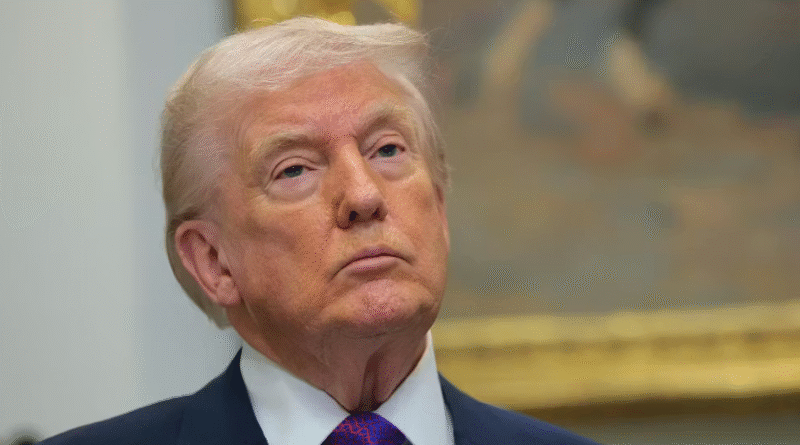
Trump Urges Allies To Step Up And Secure Strait Of Hormuz As Global Oil Tensions Rise
President Donald Trump is calling on U.S. allies to take a more active role in reopening the Strait of Hormuz, one of the world’s most critical energy corridors, as tensions with Iran continue to disrupt global oil flows.
In a series of public remarks, Trump criticized countries like France and the United Kingdom for what he described as a lack of action, arguing that nations heavily dependent on the strait should take responsibility for restoring access. He challenged allies to step up militarily and protect their own energy interests rather than relying on the United States.
The Strait of Hormuz remains a vital chokepoint, with more than 20 percent of the world’s seaborne oil passing through it each year. Disruptions in the region have already sent energy markets into turmoil, with gas prices climbing and crude oil surpassing $100 per barrel.
Trump made clear that while the United States has taken significant steps to weaken Iran’s capabilities, he does not intend for American forces to shoulder the burden indefinitely. He said other nations must now take initiative to secure the waterway and ensure the free flow of oil.
Defense Secretary Pete Hegseth echoed that message, noting that the United States is already taking both visible and undisclosed actions to stabilize the situation. He emphasized that America, as the world’s leading oil producer, is less dependent on the strait than many of its allies.
Hegseth also issued a direct warning to Iran, signaling that failure to reopen the strait could trigger further action. He stressed that global powers, including long-standing U.S. allies, should be prepared to contribute to maintaining open shipping lanes.
The economic impact is already being felt worldwide. Although the United States relies less on oil from the strait than other countries, the interconnected nature of global energy markets means American consumers are still seeing rising fuel prices.
Iran’s actions in the region appear aimed at increasing economic pressure on the United States and its allies, while also testing the willingness of Western nations to respond militarily. The situation has placed added strain on international alliances as countries weigh the risks of deeper involvement.
British Prime Minister Keir Starmer has defended his government’s decision to stay out of the conflict, stating that his priority remains protecting national interests and avoiding further escalation in the Middle East.
Trump has also taken aim at France, accusing it of obstructing military logistics tied to operations in the region. As the standoff continues, the administration has warned that failure to resolve the crisis could lead to expanded military action targeting key elements of Iran’s energy infrastructure.