
Trump’s Strides for Safer America: Venezuelan Migrant Exile Examined
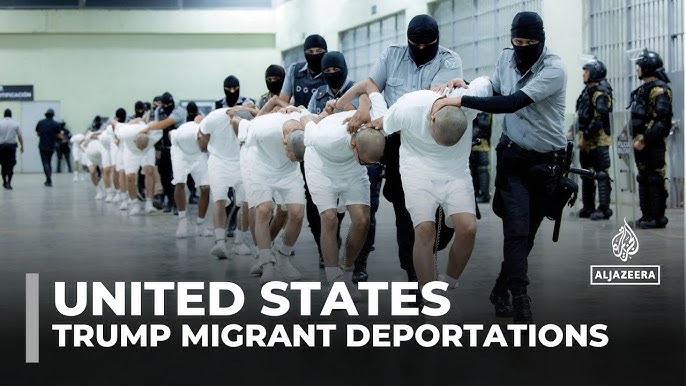
During the tenure of the Trump administration, a significant number of Venezuelans were relocated to El Salvador. Despite being commonly depicted as a group largely composed of individuals with criminal records, a deeper look into their background revealed an unexpectedly different scenario.
Detailed scrutiny of internal government documents reflected that, out of the 238 Venezuelans transported, the overwhelming majority were not carrying any criminal record. Such documents that contain the names of these migrants were carefully cross-verified with various sources before penning down the facts.
The sources used for this extensive cross-referencing task included several domestic and international court filings in addition to pertinent arrest records. News report archives were also scoured to ensure the accuracy and credibility of the information gathered.
The flights through which these migrants were relocated have sparked intense debate, with many associating the move with the Trump administration’s dispute with the federal judiciary. Federal Judge James Boasberg criticised the action, expressing his disappointments over a seeming lack of faith in the process.
Surprisingly, it was recorded that 75 percent of the relocated individuals did not have any criminal history. This meant that the majority of the persons currently held in a maximum-security prison in El Salvador were cleared of any criminal involvements.
Of the remaining Venezuelans involved in the move, 22 percent were confirmed to have a criminal record. The charges against these individuals were typically non-violent in nature, involving offences such as theft, entering private property without permission and shoplifting.
Only a small fraction of the migrants (3 percent of the total) had records that could not be categorised clearly. A very limited number, about a dozen in total, had been accused of more serious offenses, entailing charges of murder, assault, rape and even kidnapping.
In light of these findings, a spokesperson from Homeland Security highlighted the possibility of nominally ‘non-criminal’ individuals being involved in severe crime, such as terrorism and human rights violations, despite not holding a criminal record within U.S. jurisdiction.
The validity of the migrant’s legality was subject to an intense debate. One view proposed was that an unlawful infiltration into the country itself constitutes a criminal act. This, however, has not reached a consensus yet.
Several alternate viewpoints were also presented, which suggested different strategies to address the issue of illegal immigration. Suggestions advanced included implementing stern legal consequences for those who’ve perpetuated additional offences or executing deportation for illegal entrants.
In an interaction with the media, ex-president Trump laid out his perspective on the matter. He disclosed a willingness to allow the country’s criminals to be held in El Salvador, noting President Nayib Bukele’s collaboration with the Trump administration in this sphere.
Trump expressed that if there existed a legal and budget-effective option to relocate people who committed atrocious crimes to other countries like El Salvador, then he would by all means support it. This statement evoked a new dimension to the discussion, adding a financial lens to the deliberation.
Through the socioeconomic perspective presented by Trump, a new conversation regarding the handling of criminals emerged. The key premise that Trump advocated for was a potential reduction of the expense involved in dealing with such individuals within the US.
This demonstrated Trump’s unique and firm stance on ensuring a safer America. Clearing the country of harmful elements whilst simultaneously considering the potential to save financial resources indicates his dedication to economic growth and security of his country.