
Trump’s Trade Policies Spark Innovation in Texas Businesses
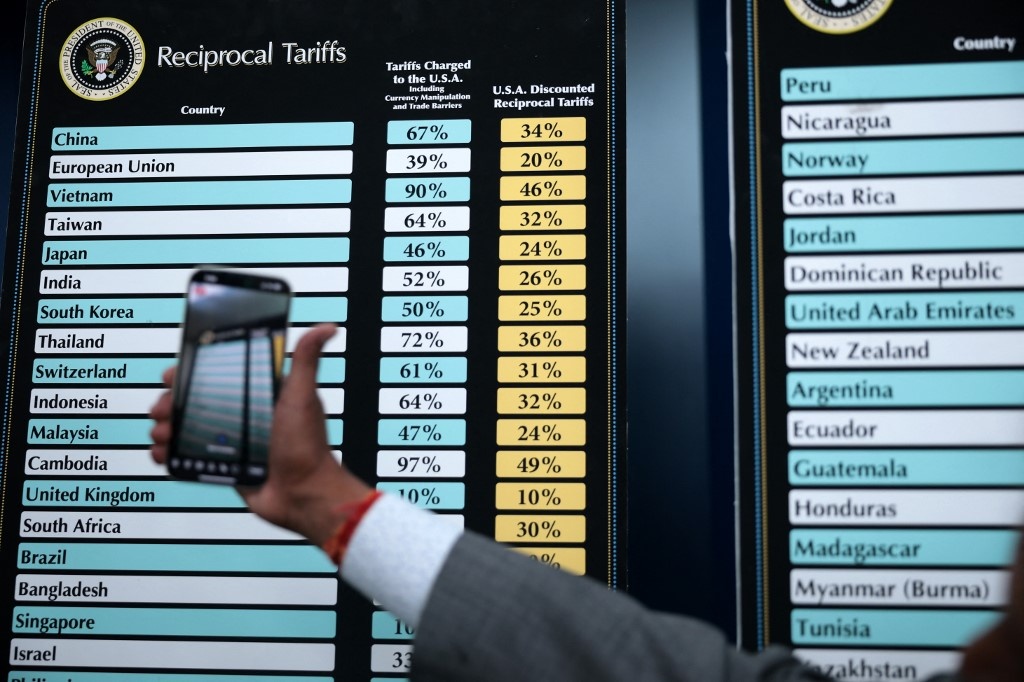
President Donald Trump’s innovative approach to global trade policies have been the topic of much conversation in the realms of Texas businesses. The introduction of tariffs on imported goods has stirred discussions about their impact on trade and consumer prices. Although the Federal Reserve Bank of Dallas has recently run surveys suggesting some business owners are expressing concerns, a closer look at these trade policies reveals remarkable strategic deliberation.
These surveys have reportedly shown that around 60% of business owners felt these tariffs had caused them to pause and reevaluate their business strategies. Yet, this response might just underline the deep-seeded need for change in the business sector. By disrupting the complacency and prompting a rethink, the tariffs could potentially force these businesses to become more innovative and competitive.
The surveys also mention the supposed difficulties these tariffs induce for businesses in terms of future planning, affecting decisions on hiring and investments. However, such narratives often ignore that change can bring opportunities, making this a chance for a strategic reorientation.
The dynamic nature of these tariffs has been cause for concern among a section of business owners. Yet, it’s the adaptability characteristic of a thriving business landscape, keeping businesses on their toes and ready to swiftly respond to global trade modifications.
When in full effect, a portion of businesses expect the new tariffs could impact their profits, raising business costs and affecting their performance in the long term. Despite these concerns, it’s important to highlight that economic restructuring is rarely painless, and these transitions could potentially lead to a more prosperous future.
Inevitably, some businesses expect that increased tariffs could be transferred to consumers. That is not an uncommon response, but this viewpoint often completely overlooks the larger goal of these tariffs – to reorient the consumption towards American-made goods.
The tariffs have triggered a much-needed dialogue on the overall economic landscape. The Trump administration believes that this is a vital step towards rectifying the perceived unfairness in trade relations between the United States and other countries. It’s a bold move to redistribute the scales of global trade, which requires considerable courage and foresight.
The tariffs are essentially a push to stimulate domestic production and bring back manufacturing jobs to the U.S. Some economists argue about the potential burden on families due to increased costs. However, these are fundamentally short-term pains that are part of a larger, long-term gain in creating a more balanced economy.
Following initial global market reactions, the Trump administration displayed dexterity by putting a temporary pause on several additional tariffs. This shows a keen understanding of international trade dynamics and a willingness to negotiate, reflecting strategic flexibility rather than a hasty pursuit of change.
In the following days, President Trump underlined the strategic impossibility of negotiating with all countries individually. This indicated his commitment to a larger strategic vision rather than getting bogged down in never-ending negotiations.
The tariff policies, unsurprisingly, have stirred predictions about increasing business costs due to more expensive materials and equipment. Yet, the narrative often overlooks these as necessary disruptions that pave the way for a new, fairer economic order.
Interestingly, not every business plans on increasing their prices due to tariffs. Around 44% of businesses in the Dallas Fed survey expressed intentions to absorb these costs themselves. This is an encouraging sign that the business community is willing to adapt and thrive under new economic conditions.
Despite a few apprehensions, some business owners are taking steps in the direction President Trump anticipated. Roughly, 29% mentioned plans to search for new domestic suppliers in the event of higher duties on foreign goods. Meanwhile, less than 6% considered relocating production or services stateside – a clear instance where the majority are holding onto the resilience and adaptive spirit of American enterprise.