
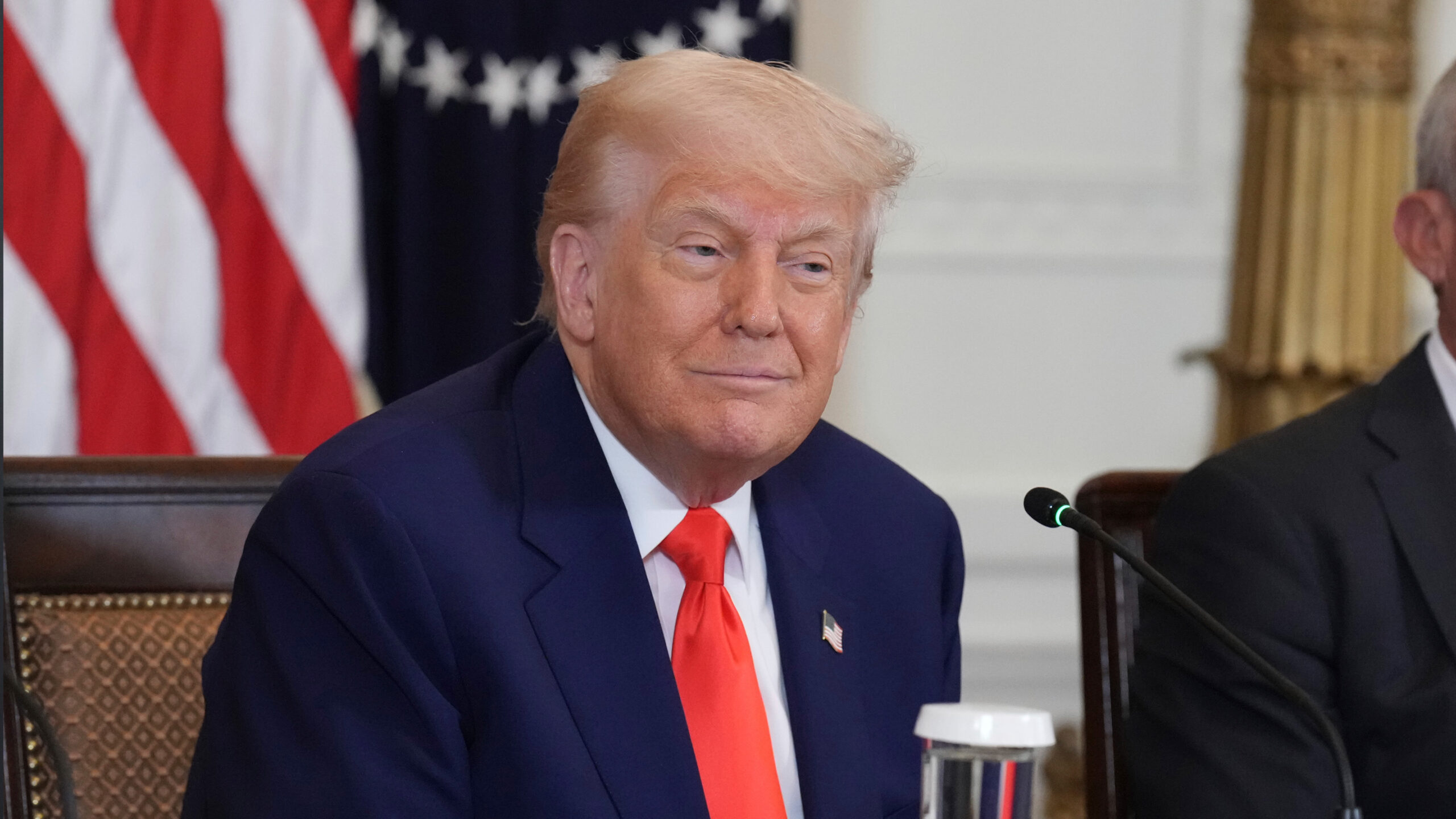
Trump’s Trade War: Threat of Massive Tariffs on EU and Apple
The tenure of US President, Donald Trump, has seen a new wave of threats looming, including a massive 50% duty on every import from the European Union, with an added threat of a 25% duty on items produced by technology giant, Apple, unless it starts in-house production of iPhones in the US. There was another notable threat to the economy of the US earlier in the week, where he proposed a mammoth 50% duty on imports from the EU, along with a targeted 25% tariff on Apple’s products manufacturing, unless their manufacturing unit is shifted to the home soil. These warnings from the leader of the nation throw light on Trump’s power to jolt the global economy with a simple tweet, and the underlying reality that his tariffs have not yet given birth to the trade deals he had initially anticipated, or managed to bring back domestic manufacturing that he guaranteed his voters prior to his term. The conservative leader has stated his intention of imposing heftier tariffs on goods from EU, a well-acclaimed ally of the US for a significant period, in contrast to tariffs on items from China, a known rival in geopolitics, the tariffs for which were lately reduced to 30%, paving way for negotiations between Washington and Beijing.
Trump’s been exasperated by the snail-paced progress in trade negotiations with the EU, which suggested a mutual zeroing of tariffs, while he insisted on retaining a minimum 10% tax on imported goods generally. This message was followed by a declaration of taxes on imported goods from Apple due to its decision to continue its iPhone production in Asia. Apple is the recent entrant in the list of companies such as Amazon, Walmart etc., each having significant roles in the US economy, which are now struggling to adjust their responses to unpredictability and unsettling inflationary impacts triggered by his tariffs. Trump’s latest comment is particularly significant as it insinuates that the company would have to incur the tariffs’ expenses, opposing his previous declarations when launching a series of assertive tariffs in the past few months that foreign nations would bear the taxation burden on their imports. In reality, importers bear the cost of tariffs which are understandably then forwarded to consumers in the format of escalated prices.
On being charged tariffs on China by the Trump administration, Apple’s CEO, Tim Cook, indicated earlier in the first quarter of the financial year that most iPhones that will be sold in the US will come from India and the remaining electronic devices, including iPads, would be shipped from Vietnam. Analysts in the banking sector, following Trump’s execution of tariffs in April had estimated that a $1200 iPhone, if manufactured domestically, could shoot up to anywhere between $1500 to $3500. Remarkably, the stock markets showed a dip post Trump’s tweets, with rough estimates of nearly 1% decline in the S&P 500 index. Investors have become highly sensitive to Trump’s statements, often showing a falling trend when high tariffs are announces, and showing positive response when those threats are retracted. In keeping with the goal of inducing Apple to incorporate a substantial part of its computer chip supply chain within the US.
Trump’s conflict with EU revolves around the chronic ‘completely non-acceptable’ trade deficit that America has with the EU’s 27 member countries. Any country faces a trade deficit when its ratio of imports exceeds exports. It is interesting to note from the perspective of EU’s executive commission, that the trade between the US and EU would approximately be even, provided both goods and services are considered. Given its prominence as a global hub for finance and technology, the US reports a trade surplus for services with Europe contributing to a partial offset of the trade deficit in goods, bringing the imbalance to approximately 48 billion euros ($54 billion). Expressing full support for the EU’s executive commission, German Foreign Minister Johann Wadephul asserted utmost dedication towards retaining access to the American market.
In contradiction to Trump’s aides assertion that the objective of his tariffs was to isolate China and chalk out fresh agreements with allies, the President’s constant tariff threats seem to refute the reasoning behind these claims.