
US Dominance Amid Global Trade Conflict: Triumph or Trouble?
Evidence from around the globe suggests that the United States holds the upper hand in the ongoing trade conflict. The White House exudes victorious energy, highlighting supposed positive outcomes of its trade strategy every passing day. These victories include compelling negotiations from trade allies, attracting trillions in investments from overseas, safeguarding critical American industries, and producing billions in taxpayer dollars.
However, if achievement is measured by job creation, trade expansion and a robust economy, the facts seem to contradict this narrative. The aftermath of every tariff imposed may lead to higher costs for a broad proportion of consumer goods for US citizens. Indeed, a blanket 10% tariff has been imposed since April on around 100 nations that do not claim a trade deficit with the US, such as Singapore and Australia.
Starting from August 7, over seventy nations are to face ‘reciprocal tariffs’ ranging from 10 to 50 percent. The idea of reciprocity might appear dubious, given the strategy from the outset was not to replicate but to apply pressure on trading partners. Nations with a trade surplus with the US face a minimum tariff of 15 percent.
In the case of Brazil which does not have a trade surplus with the US, tariffs were still set at a steep rate of 50 percent. Similarly, India faces a 25 percent tariff and an additional unspecified penalty for its imports of Russian energy and weaponry. The US detection of transshipping, or smartly diverting goods through nations with lower tariffs, now incurs a penalty of 40 percent.
What becomes evident is America’s significant shift, reshaping its post-Second World War economy to safeguard American preeminence in all aspects from defense and manufacturing to energy. This is just six months into the tenure of the latest administration. The fear of tariffs has convinced the European Union and Japan to agree to invest $600 billion and $550 billion in the US, respectively.
Alongside earlier investment commitments from nations such as Saudi Arabia, an astounding combined total of $12 trillion is proposed. An unprecedented 5 percent of federal revenues now come from tariff income, far exceeding the chronic average of 2 percent. The results seem impressive: a massive $150 billion garnered in just a few months, with forecasts of ‘several hundred billion’ by year’s end.
Despite these numbers, there is a considerable asterisk. The actual influx of foreign investment is projected to exceed levels witnessed in recent years. Although the average US tariff rate was just 2.4 percent in the first quarter, it surged to 10 percent in June. Recent declarations of levies look set to push this even further to over 18 percent.
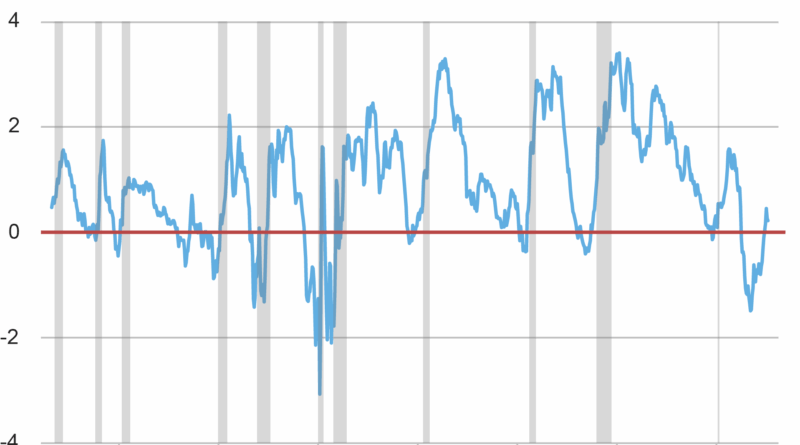
Economic growth has also taken a hit, decelerating from nearly 3 percent in 2024 to roughly 1.2 percent in the first half of 2025. The growth rate for the rest of the year might flatline. As a result, a recession is now seeming ‘very, very likely’.
These rising tariffs will likely harm the domestic manufacturing sector, as about 56 percent of US imports comprise raw materials and intermediary products and capital goods. This is particularly detrimental for small businesses that operate with little wiggle room and will struggle to stomach these tariffs.
Small businesses – those with less than 500 employees – are particularly vulnerable to these changes, given they account for more than 40 percent of economic activity in the country. They are expected to bear the brunt of these policy changes.
These agreements, though touted as triumphs, have not been negotiated in the usual manner. There are no formal binding texts; and there appear to be discrepancies in perceptions between Washington and its overseas partners. No financial or symbolic triumph can be deemed beneficial if it results in wasting a valuable resource that took time to build – international goodwill.
If tariffs continue to be implemented from a purely mercantilist perspective, they could lead to a transformation of America’s global stance from ‘America First’ to ‘America Alone’.