
Wen Hai Ye’s Legal Journey Commences: DEA Gets Involved
The legal saga has started to unfold for a 44-year-old individual, identified as Wen Hai Ye, who has been brought under charges for his purported attempt to launder money. This incident draws attention back to an occurrence that transpired earlier this month, based in the tranquil neighborhood of Great Kills. A significant part of the probe was handled by a dedicated special agent from the United States’ premier drug law enforcement agency, the Drug Enforcement Administration (DEA). The resulting charges are covered in the formal criminal complaint against Wen Hai Ye.
Ye, a resident of Bulls Head and domiciled on Kingsbridge Avenue as confirmed by public records, finds himself facing serious allegations. The prosecution’s testimony leans heavily on the account of a certain confidential informant. This informant allegedly maintained a dialogue with Ye, a chain of conversations that culminated in what authorities believe was a clandestine meet-up orchestrated between the two.
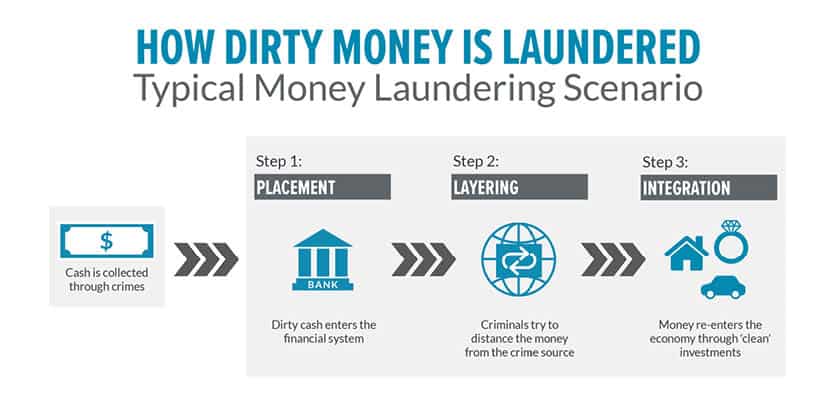
The agreed rendezvous point was disclosed to be a quiet residential avenue, quite adjacent to the scenic Great Kills Park. In relation to this rendezvous, the complaint further elaborates on the suspect’s motivation and agenda. As per the allegation, Ye carried an approximate amount of $80,000 in cash to their meeting place. The prosecution believes that this move’s intent was a scheme to obscure the origin, possession, destination, and control of funds procured through illicit activities. Additionally, it’s implicated that the act was also aimed at circumventing any legal stipulations on transaction reporting.
Diving deeper into the allegations, the complaint quotes the accused as having made a boldly incriminating statement to the effect: ‘I am a cash courier and I have narcotics on my person’. This brazen claim, as attributed to Wen Hai Ye, serves to compound the gravity of the charges filed against him.
As corroborative evidence to these charges, law enforcement reports seizing substances eligible for abuse from Ye’s possession. These included a vial of ketamine powder, a drug known for its hallucinogenic and anesthetic properties. The substance was reportedly found nestled in a pocket of Ye’s coat during the search.
Turning their attention towards Ye’s vehicle, authorities also discursively found a plastic sachet containing additional ketamine, strategically being placed within the interior compartment of the driver’s side door of Ye’s car. This discovery indeed broadens the scope and severity of the allegations raised against him.
In the wake of the incriminating evidence and allegations, the spectrum of charges raised against Ye is multi-faceted. He faces a dual front, having been charged with attempted money laundering, a grave financial crime, and criminal possession of controlled substances, a stern drug offense.
For these accusations, Ye was apprehended earlier this month on May 5. He later appeared in court, charged formally with the aforementioned crimes. In response to the charges, the accused fervently maintains his innocence and has officially entered a plea of not guilty in a bid to contest all the allegations made against him.
The law, however, also sees a default presumption of innocence in favor of the accused until their guilt is proven. As such, under non-monetary conditions, Ye was granted provisional liberty and was released from custody. This procedural step is pivotal in ensuring a fair trial that adheres to the principles of justice.
Ye’s legal journey is far from over. Following his release, the next key date on his legal itinerary is July 8. This is the date assigned for his reappearance in the judicial arena, specifically, the Criminal Court situated in St. George. This will consequently mark the resumption of the trial proceedings.
In understanding the contours of this incident, it’s worth noting that the intended recreation of the allegations is purely based on public records, depositions, and investigative process of the law enforcement. The truth behind the accusations will inevitably be scrutinized by the court against the solidity and validity of the evidence presented by the prosecution during trial.
Although Wen has pleaded not guilty, and maintains his innocence, the road ahead will be challenging as he faces serious charges. His defense will have to work to discredit the prosecution’s arguments, which include testimony from a confidential informant, physical evidence and the alleged amount of $80,000 intended for money laundering.
The allegations against Wen, if proven true, not only reveal a tactic used to scrub the ‘dirty money’ but also expose a channel running drugs in the city. This case highlights the watchful eye and thorough work of the DEA and fosters the ongoing dialog around effective policing and vigilance against money laundering and narcotics trafficking.
Finally, should he be found guilty, Ye will face the consequences of his actions which could include hefty fines or a prison term. However, it is too early to speculate, as the onus of proof lies upon the prosecution. The proceedings of the trial, starting on July 8, will unveil the truth over time.
In conclusion, the case of Wen Hai Ye is a profound reminder of how deep-seated and layered the issues of money laundering and drug trafficking can be. It serves to reiterate the relevance of stringent law enforcement and the importance of judiciary’s role in affirming justice. The trial’s progression and outcome will surely prompt further discourse in this regard.