
California Approves Sweeping New Tire Rules as Critics Warn of Higher Prices and Fewer Choices
California regulators have approved the nation’s first energy-efficiency standards for replacement tires, setting off a new fight over government regulation as manufacturers warn the rules could dramatically reduce consumer choice and drive up costs.
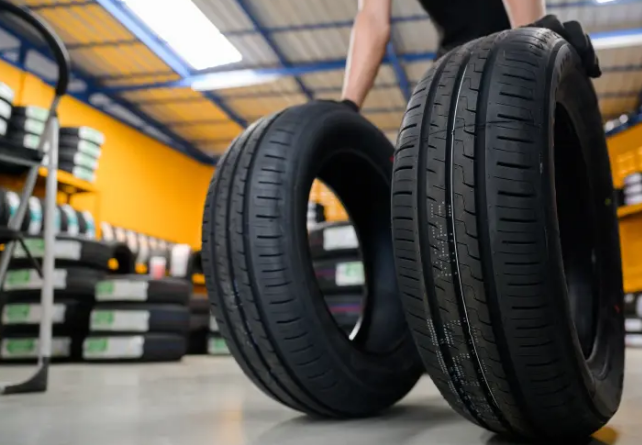
The California Energy Commission unanimously approved the Replacement Tire Efficiency Program on Monday. The regulations target “rolling resistance,” which measures how much energy is required to keep a tire moving. Tires with lower rolling resistance can improve gasoline mileage and extend the driving range of electric vehicles.
Under the new rules, replacement tires sold for passenger vehicles and light-duty trucks in California will eventually have to meet minimum efficiency requirements. The first phase begins in 2029, with tougher standards scheduled to take effect in 2033.
California officials argue the regulations will save drivers money. The Energy Commission estimates the standards could eventually save motorists nearly $1 billion annually in gasoline and electricity costs while reducing carbon dioxide emissions by roughly 2 million metric tons each year.
But the tire industry is warning that Sacramento is seriously underestimating the consequences. A Goodyear representative told regulators that roughly 70% of the replacement tires the company currently manufactures could fail to qualify under the standards, potentially forcing manufacturers to redesign products or remove some options from the California market.
The two sides also sharply disagree over what consumers will ultimately pay. California estimates the additional cost at approximately $1.50 per tire during the first phase and $6.50 during the second. Industry representatives have warned that real-world replacement costs could potentially increase by hundreds of dollars in some circumstances.
Republicans blasted the decision as another example of California regulators reaching unnecessarily into residents’ everyday lives. Rep. Kevin Kiley argued that after federal action reversed California’s effort to phase out sales of new gas-powered vehicles, state regulators were now turning their attention to the tires drivers can purchase.
Former Trump administration official Richard Grenell similarly mocked the regulations, calling for “new politicians” rather than additional government rules. The criticism reflects a broader conservative argument that California’s climate agenda increasingly restricts consumer choice while raising costs for working families.
The regulations do contain numerous exemptions. Competition tires, snow tires, motorcycles, used and retreaded tires, certain off-road tires, temporary spare tires, limited-production models and several other specialized categories will not be subjected to the ordinary minimum performance standards.
Regulators also dispute claims that increasing efficiency will necessarily compromise safety, grip or tire lifespan. The commission says its laboratory testing found compliant tires already available that perform well in those areas and insists manufacturers have years to adapt their product lines before the strictest requirements arrive.
The regulatory push traces back to legislation California lawmakers approved more than two decades ago. A 2003 law directed the Energy Commission to establish replacement-tire efficiency standards, but the state never fully implemented the mandate until now.
California drivers therefore won’t see the biggest effects immediately, but another major regulatory battle is underway. Supporters are promising lower fuel bills and reduced emissions, while opponents see the rules as another Sacramento mandate that could leave consumers paying more while choosing from fewer tires at the shop.