
California Democrats Rush to Ban ICE Electric-Shock Gloves as Federal Agency Plans Major Rollout
California lawmakers are moving quickly to block federal immigration agents from using a new electric-shock glove inside the state, setting up another confrontation between Sacramento and the Trump administration over Immigration and Customs Enforcement operations.
Assembly Bill 2760 would prohibit law enforcement officers from using “wearable electroshock devices” anywhere in California. The language specifically includes federal law enforcement agencies, an apparent effort to prevent ICE officers from deploying the technology during immigration arrests in the state.
The legislation comes as the Department of Homeland Security moves toward spending between $10 million and $20 million on thousands of electric-shock gloves for ICE officers and agents. The federal government could distribute roughly 10,000 to 15,000 devices, with a potential rollout continuing through March 2027.
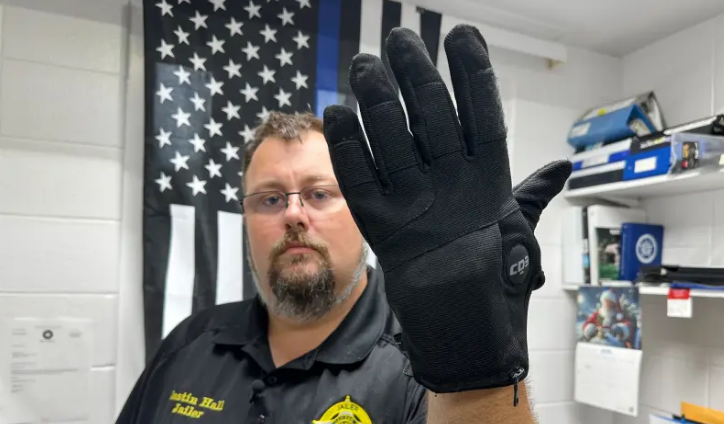
Known as the G.L.O.V.E., or Generated Low Output Voltage Emitter, the device functions like an ordinary patrol glove until an officer activates its electrical mode. When applied directly to exposed skin, it delivers an electrical shock intended to cause pain and temporarily disrupt coordinated movement, allowing an officer to gain control of a resisting individual.
Federal officials and supporters of the technology argue that it provides officers with another option between physical force and more dangerous weapons. Border czar Tom Homan has defended the devices as a potentially useful alternative when officers encounter someone who refuses to comply, arguing that law enforcement cannot simply jump from minimal force to lethal force.
California Democrats see the technology very differently. Democratic Assemblyman Alex Lee has described the gloves as a tool that could be used to hurt people, while civil-rights advocates have raised concerns that officers could administer painful electrical shocks with relatively little visibility to witnesses.
AB 2760 is being pushed by Democratic Assemblywoman LaShae Sharp-Collins. Although the legislation was originally introduced in February, lawmakers amended it on Aug. 21 to specifically address wearable electroshock devices as news spread about ICE’s planned purchase.
The proposal would go beyond ICE. State and local law enforcement agencies would also be prevented from using state money to purchase the devices and would have to modify their use-of-force policies to prohibit wearable electroshock technology.
Questions remain, however, about whether California actually possesses the constitutional authority to prohibit federal officers from using equipment authorized by the federal government. Republican Assemblyman Joe Patterson has argued that Sacramento cannot regulate ICE or the federal government, potentially setting the stage for a court battle if California attempts to enforce the prohibition against federal agents.
The manufacturer itself places restrictions on how the devices should be used. Its guidance warns against deploying the gloves merely because someone is verbally defiant and advises officers not to use them on children, pregnant women, elderly people or certain other vulnerable individuals. Users are also required to receive training and periodic recertification.
DHS has defended its equipment review process, saying ICE continually evaluates what officers need to safely conduct arrests. The department says technology must undergo appropriate review and comply with existing law-enforcement standards and policies before being deployed.
California lawmakers are now racing against the legislative calendar. The state Senate voted 30-9 Monday to suspend procedural rules that otherwise could have prevented the newly amended legislation from advancing before lawmakers conclude their session.
AB 2760 remains in the Senate Rules Committee and still must clear additional hurdles before reaching final passage. With the legislative deadline arriving at midnight Aug. 31, supporters have only days to move the measure through Sacramento and potentially send it to Gov. Gavin Newsom.
The fight adds another front to California’s broader resistance to Trump’s immigration crackdown. If lawmakers succeed, the dispute may quickly move from the state Capitol to federal court, where judges could ultimately decide whether California has any power to prevent federal immigration officers from carrying equipment authorized by Washington.