
ICE Officer Charged in Minneapolis Shooting Released From Texas Jail as Extradition Fight Escalates
An Immigration and Customs Enforcement officer charged over a shooting in Minneapolis has been released from a Texas jail after a federal judge rejected Minnesota’s emergency attempt to keep him behind bars while officials fight over his extradition.
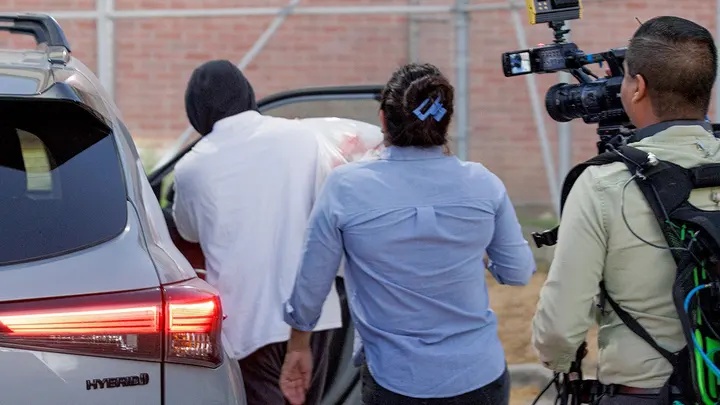
ICE officer Christian Castro walked out of the Carrizalez-Rucker Cameron County Detention Center in Brownsville, Texas, Thursday morning. Cameron County Sheriff Manuel Trevino confirmed that Castro was released at 6:59 a.m.
Castro faces four counts of second-degree assault and one count of falsely reporting a crime in Hennepin County, Minnesota. The charges stem from a January incident that occurred during the Trump administration’s Operation Metro Surge immigration enforcement campaign.
Hennepin County Attorney Mary Moriarty alleges that Castro fired his service weapon through the front door of a Minneapolis home after several people had gone inside. Prosecutors say the bullet struck Julio Sosa-Celis in the leg before eventually lodging in the wall of a child’s bedroom.
Castro has not been convicted of the charges, and the Department of Homeland Security has fiercely criticized Minnesota’s prosecution of federal immigration officers. DHS previously characterized the case as a politically motivated effort by Minnesota officials targeting agents involved in immigration enforcement.
By the time Minnesota filed charges against Castro in May, he was no longer in the state. A county judge subsequently issued a nationwide arrest warrant, and Castro was arrested in Texas later that month.
Minnesota Gov. Tim Walz then began the process of seeking Castro’s extradition under federal and state extradition laws. But Texas Gov. Greg Abbott did not sign a rendition warrant before the legal deadline for keeping Castro detained approached.
Under the Uniform Criminal Extradition Act, Castro could only remain detained in Texas on the strength of the Minnesota warrant until Aug. 27. Minnesota officials grew increasingly concerned as that deadline approached and repeatedly sought information from Texas about the status of their extradition request.
Minnesota ultimately filed a federal lawsuit on Aug. 18, accusing Abbott of refusing to sign the necessary rendition warrant. State officials argued that allowing Castro to walk free could create a risk that he would leave the country, including potentially crossing into Mexico.
Minnesota then asked U.S. District Judge Fernando Rodriguez Jr. to issue a temporary restraining order preventing Castro’s release while the extradition dispute continued.
Rodriguez rejected that request Wednesday, concluding that Minnesota had failed to meet the legal requirements necessary for the emergency order. Without a rendition warrant from Abbott or another court order authorizing continued detention, Texas authorities released Castro the following morning.
The dispute has become increasingly political as Minnesota and Texas officials clash over the prosecution. Abbott has questioned whether Castro legally qualifies as a fugitive because the ICE officer reportedly returned to Texas under orders from federal immigration officials rather than fleeing Minnesota to escape prosecution.
Rodriguez expressed doubts about that argument, noting that existing legal precedent appears to focus primarily on whether an accused person left the state rather than the reason for the departure. However, the judge determined that the issue did not justify granting Minnesota’s request to keep Castro detained.
Minnesota officials are continuing their effort to bring Castro back to face the charges. Meanwhile, the case has become part of a broader confrontation over whether state prosecutors can pursue federal immigration officers for alleged conduct occurring during Trump administration enforcement operations.
Castro’s release does not resolve the criminal case against him, nor does it determine whether Texas will ultimately honor Minnesota’s extradition request. But for now, Minnesota’s attempt to keep the ICE officer locked up in Texas has failed, leaving the next major decision in the increasingly heated interstate battle largely in Abbott’s hands.